

Let’s Talk Travel Insurance For Bali: Everything You Need To Know
FINNS Holidays is all about holidays in Bali, and tens of thousands of people visit Bali every year without a single issue. In fact, many
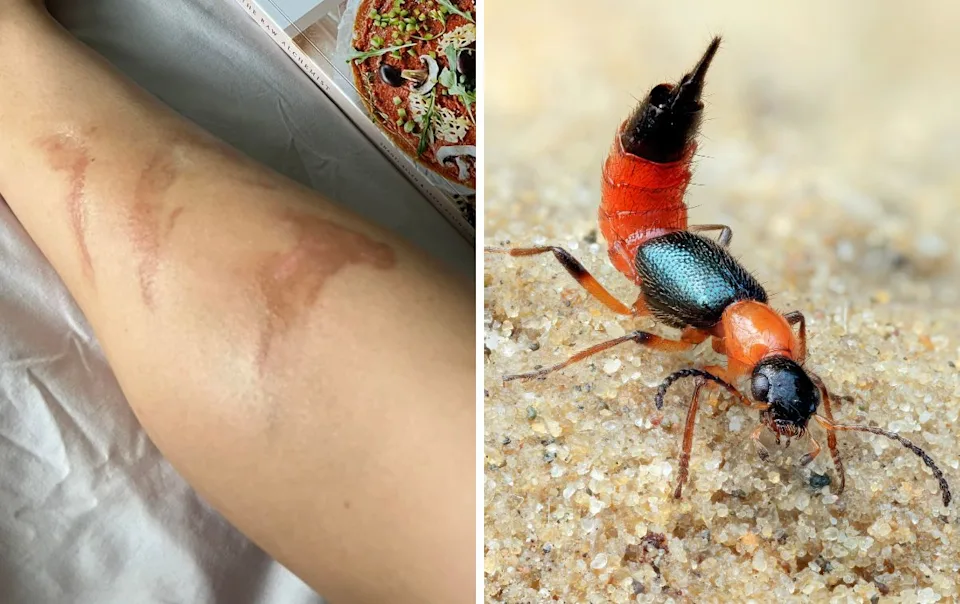
Tomcats are one of Bali’s lesser-known creepy crawlies, and plenty of visitors have probably never even heard of them. They’re tiny, easy to miss, and certainly don’t look like something you need to worry about.
Unfortunately, these little bugs can cause a surprisingly nasty reaction. So, what are tomcats, where are you likely to find them, and what should you do if you come across one in Bali?
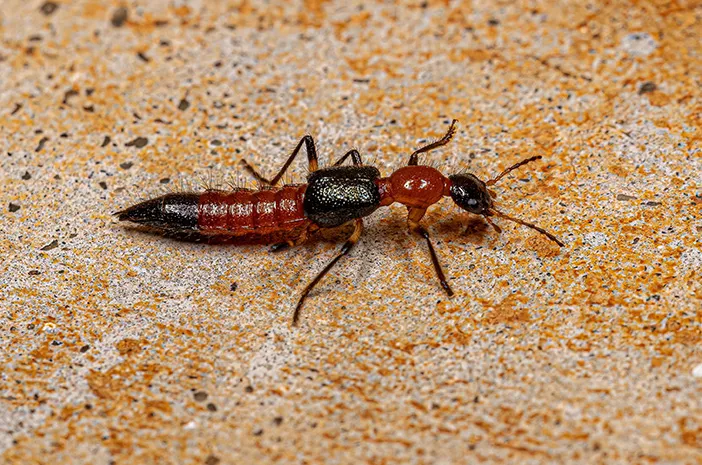
A tomcat is a small rove beetle from the Paederus genus, part of the enormous Staphylinidae family of beetles. There are more than 66,000 known species of rove beetle worldwide, found on every continent except Antarctica, although the tropical Paederus species are the ones we’re interested in here.
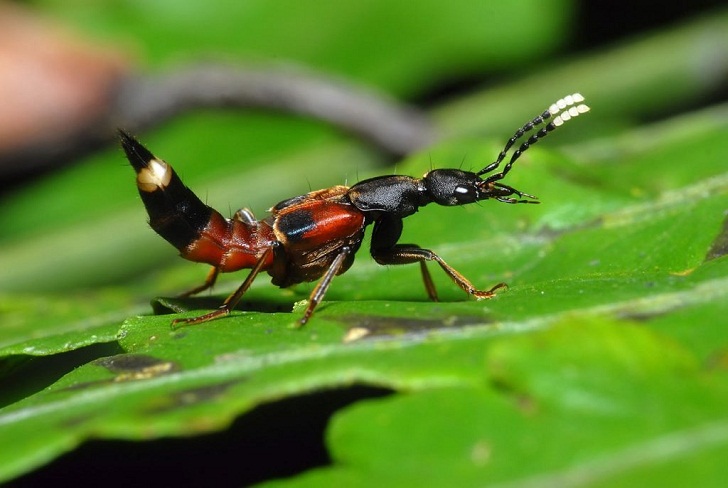
As mentioned, they are quite small, usually around 7-10mm long. At first glance, they can appear similar to and are often mistaken for ants, albeit rather large ants. Look a little closer, though, and they’re pretty distinctive, with a black head, red thorax and long orange or red and black body.
Tomcats are found across tropical and subtropical regions, including Southeast Asia, and the ones found in Bali contain a potent chemical called pederin. This is responsible for their fearsome reputation, but we’ll get into exactly what it does to human skin a little later.


Tomcats are found in Bali, but they’re certainly not something you’ll see crawling around everywhere. Plenty of people spend their entire time in Bali without ever seeing one, while others only become aware of tomcats after having an unfortunate encounter with one.
They’re more commonly found during the rainy season, when Bali’s warm, wet conditions provide an ideal environment for the beetles. Numbers can also vary considerably depending on where you are on the island, with tomcats particularly associated with areas around rice paddies and other damp, green spaces.
So, there’s no reason to spend your Bali holiday worrying about them, but it certainly helps to know what you’re looking at if one does turn up.
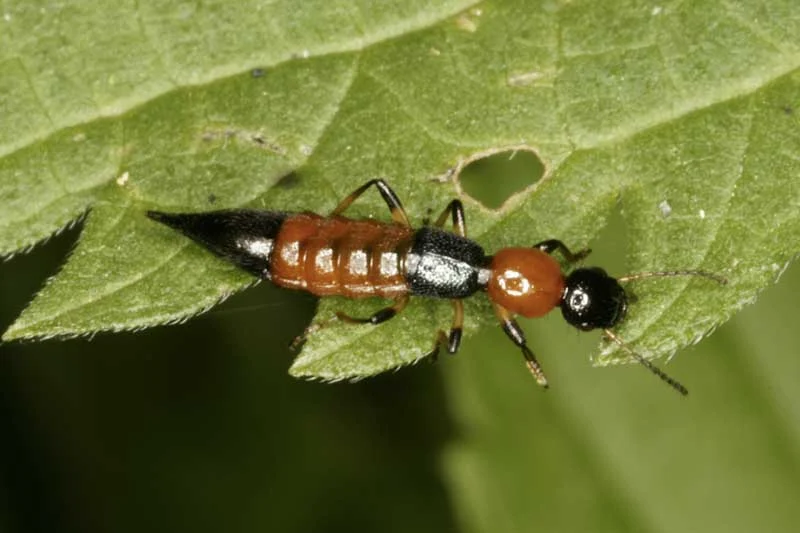
Tomcats prefer moist habitats with plenty of vegetation, which is why Bali’s rice paddies make such a good home for them. You’ll also find them around gardens, fields and other damp outdoor areas, where they feed on smaller insects and can actually be pretty useful for controlling pests.
The problem is that tomcats are attracted to artificial light, particularly at night. This can bring them away from their natural habitat and into houses, villas and hotel rooms, where you might spot one crawling around a wall, bathroom or bed.
They’re not coming inside looking for humans, though. Most of the time, they’ve simply followed the lights.
No, they do neither of these things, and this is where it gets interesting.
Tomcats contain a highly potent toxin called pederin in their body fluids. Interestingly, pederin doesn’t come from the beetle itself, but is produced by an endosymbiotic bacteria living inside it.
Female Paederus carry the bacteria and pass the pederin toxin to their eggs, helping protect them from predators. The toxin also provides the adult beetles with a pretty effective chemical defence.
The beetle releases this coelomic fluid when disturbed, while crushing or smearing one against exposed skin can release considerably more of it. Either way, it’s contact with pederin that causes the damage.
Pederin is a strong blistering chemical, and even a tiny amount coming into contact with human skin can cause severe skin irritation known as Paederus dermatitis. You might not even realise you’ve been exposed at the time, which is why people sometimes wake up with a strange burn-like mark and have no idea where it came from.
You’ll sometimes see pederin described online as a type of toxic venom, and even compared with cobra venom because of how highly toxic the chemical is. However, a tomcat isn’t injecting venom into you like a snake would. The problem comes when the tomcat’s body fluids reach your skin, particularly if it’s crushed against skin.
A burn from one of these critters doesn’t always appear straight away, and you might not even realise you’ve had contact with the toxin at first. The affected area will usually become red and irritated, followed by itching and a burning sensation, with blisters often developing as the reaction progresses.
The rash can continue to develop over the following days and may take one to two weeks to fully settle. More severe skin reactions are possible if the beetle’s body is crushed against the skin, releasing a larger amount of toxin.
Even once the blistering and itchiness have disappeared, some people are left with temporary hyperpigmentation, or darker patches of skin, where the reaction occurred.


If you think you’ve come into contact with a tomcat, wash the affected area thoroughly with soapy water as soon as possible. This can help remove any pederin still sitting on the skin and prevent you from spreading it elsewhere.
Further care and treatment depends on the severity of the reaction. Hydrocortisone cream can help reduce inflammation, while an antihistamine may ease the itching. Paracetamol, also known as acetaminophen, can be used for pain relief if the area is particularly sore.
Keep the skin clean, avoid scratching or breaking any blisters, and keep the affected area out of direct sunlight while it heals.
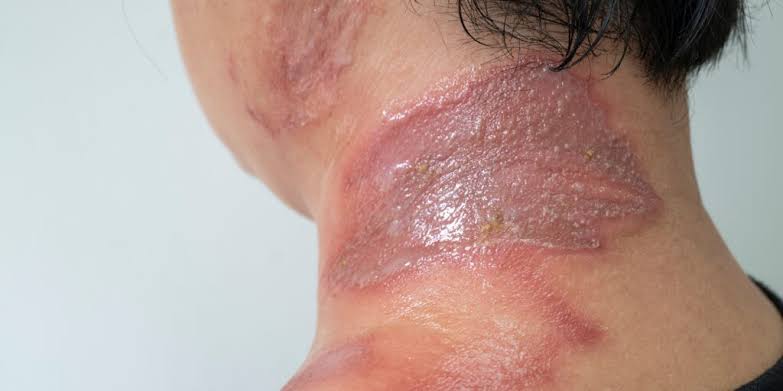
Most burns can be treated at home or with help from a local pharmacy, but more severe reactions may need professional care. Seek medical attention if you develop extensive blistering, signs of infection, a serious allergic reaction, or the toxin gets into or around your eyes.
It’s also worth speaking to an experienced medical professional if a small child has a significant reaction, or if you have any other concerns about the health risks or how the affected area is healing.
The easiest way to prevent tomcat burns is simple: don’t squash one. If you see a tomcat crawling on you, gently blow it off or encourage it to crawl onto something else. Don’t slap or provoke it, as you really don’t want the beetle accidentally crushed against your skin.
Tomcats are attracted to artificial light, so keep windows shut or use screens at night. You can also turn off incandescent or halogen lights near open windows, which may attract them into your room.
A bed net and long-sleeved clothing offer some extra protection, while insect repellents and insecticide can help keep unwanted insects away.
Yes, tomcat beetles can fly, although you’re more likely to spot one on the ground. They’re particularly attracted to lights at night, which is one of the ways they end up inside homes, villas and hotel rooms.
No, they aren’t aggressive and have no interest in attacking people. Problems generally happen through accidental contact, particularly if you provoke, brush against or crush one on your skin.


Yes, they can be found across Bali. As a visitor, you could encounter one in areas such as Canggu, Ubud or Seminyak, as well as around Bali’s rice-growing areas. However, the chances are you’ll spend your entire holiday without seeing one.
No, Paederus dermatitis isn’t contagious. However, after the initial contact, pederin can remain on your skin and potentially be transferred elsewhere by your hands. This is another reason to wash the area with soap and water before touching other parts of your body.
Hopefully, this guide to understanding tomcats has made these tiny bugs seem a little less frightening. They’re certainly capable of leaving a nasty burn, but they’re not aggressive, and most visitors to Bali will never have a problem with one.
If you do see a tomcat, remember the most important rule: don’t squash it!
FINNS Holidays is all about holidays in Bali, and tens of thousands of people visit Bali every year without a single issue. In fact, many

Planning a short Bali itinerary? 5 days may not seem like a lot, but there’s plenty of time to enjoy the beaches of Canggu, temples of Ubud and more.

Looking for the best breakfast Bali has to offer? Discover 24 top cafes for everything from smoothie bowls and coffee to big breakfasts and brunch.

Looking for the best bars in Ubud? Discover cocktail bars, rooftop drinks, live music, speakeasies and more for your next night out in Bali.
Pay Safely With Us