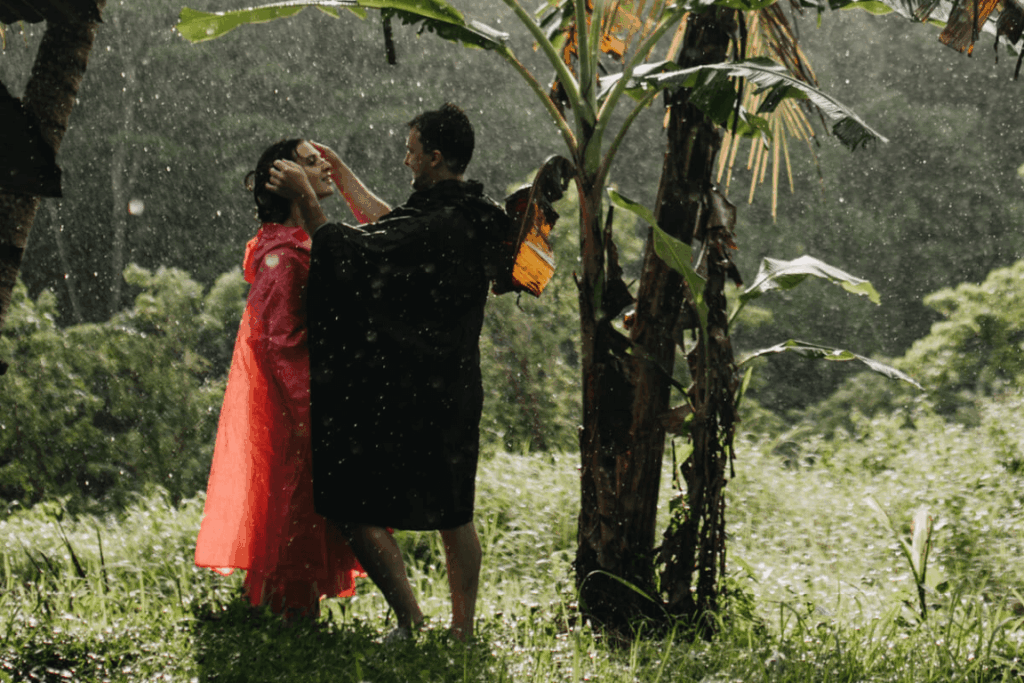
Bali’s rainy season, also known as the wet season, is often misunderstood by visitors planning a trip to the island. While the word “rainy” can sound off-putting, it doesn’t mean constant rain or grey days from start to finish.
Understanding how Bali’s wet season actually works makes it much easier to plan around it – and helps explain why plenty of people still choose to visit during this time of year.
TL;DR, Summary Of The Bali Rainy Season
- Bali’s rainy season runs from November to March, with short, heavy showers rather than constant rain on most days.
- It’s a great time to visit for fewer crowds, greener landscapes, and better value if you’re flexible with plans.
- Expect higher humidity, occasional disrupted plans, and rougher, but plenty of sunshine between showers.
When Is Bali’s Rainy Season?
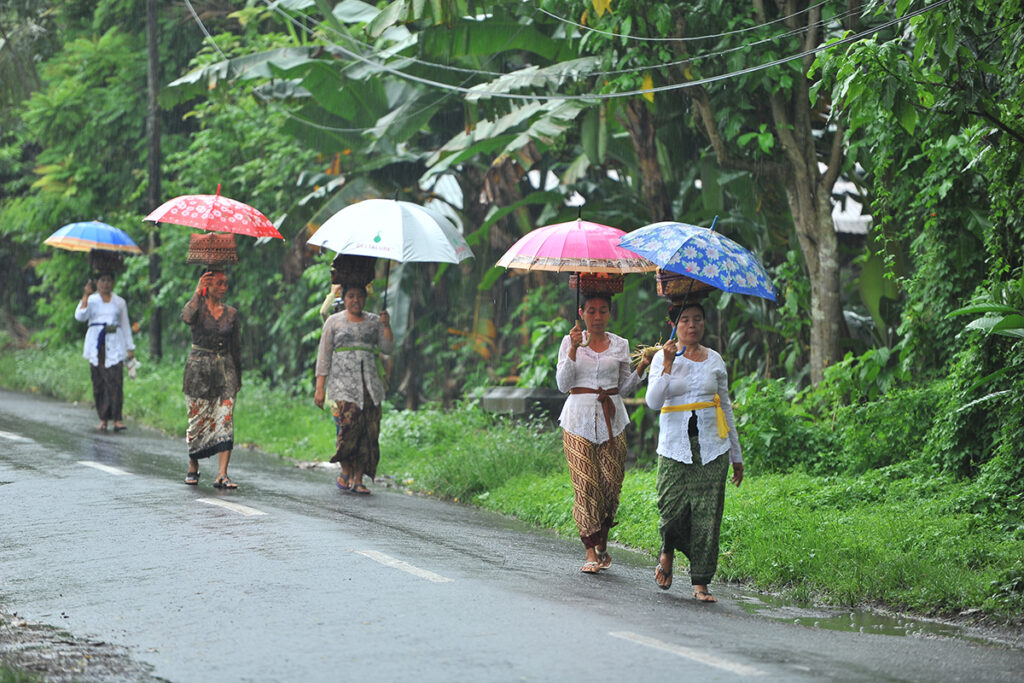
Bali’s rainy season runs from November to March, with December, January, and February recording the highest average rainfall. These months fall outside Bali’s dry season and form part of the island’s two distinct seasonal patterns.
Rainfall usually begins to increase in November, becomes more consistent through December, and peaks in the early months of the year. Conditions then begin to ease toward the end of March, with April typically marking the transition into the dry season.
While weather patterns can vary slightly from year to year, the overall structure of Bali’s wet season is relatively predictable. The same core months tend to see higher rainfall annually, making it easy for travellers to plan around if they understand the seasonal split.
In simple terms, visiting Bali between November and March means travelling during the months when rain is more likely, particularly at the height of the season in December, January, and February.
What’s It Like During Bali’s Rainy Season
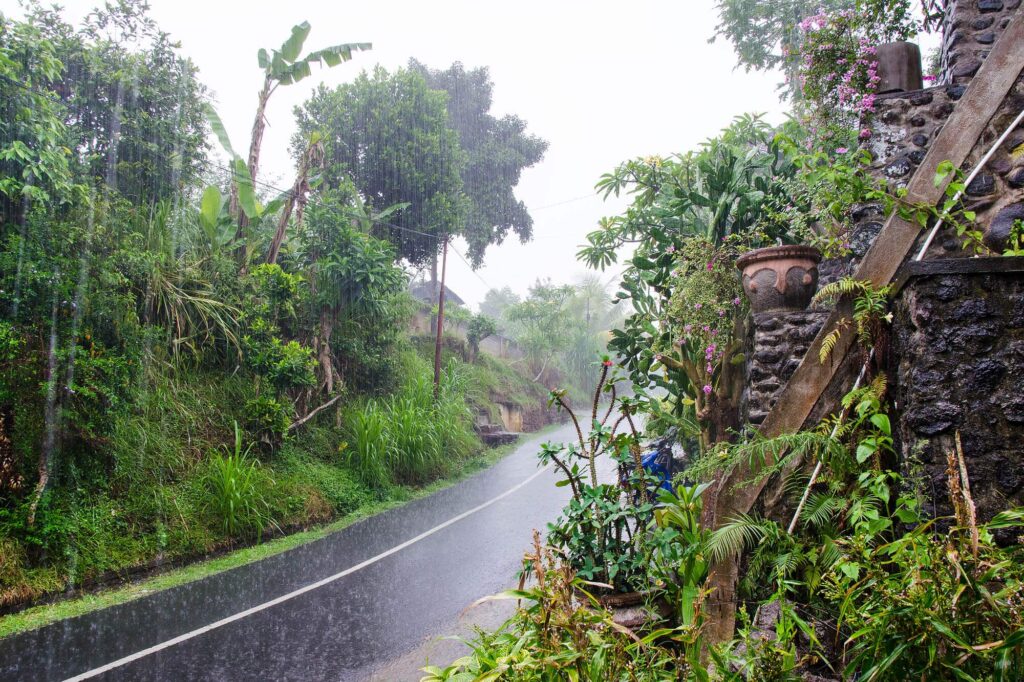
Despite the name, Bali’s rainy season rarely means rain all day. Most days still include long dry periods, with rain typically arriving as short, heavy downpours, often in the late afternoon or evening. Mornings are frequently sunny, and it’s common to get several clear hours before any showers roll in.
Rain tends to be intense but brief. A sudden downpour can pass in under an hour, leaving behind fresh air, cooler temperatures, and visibly greener scenery. This cycle is part of what gives Bali its lush landscapes during the wet months, with rice terraces bright green and waterfalls flowing at their fullest.


Humidity is higher, and the air can feel heavier than during the dry season, especially after rainfall. Daytime temperatures remain warm year-round, while nights are slightly warmer than in the dry months. Occasional thunderstorms do occur, but they’re usually short-lived rather than prolonged weather events.
For most visitors, the rainy season feels less disruptive than expected. Outdoor plans often remain possible with small adjustments, and rain tends to follow predictable patterns rather than arriving randomly throughout the day.
How Does Rainfall Vary Across Bali?

One of the most common surprises for first-time visitors is that Bali’s rainy season doesn’t look the same everywhere. Location plays a big role in how often it rains, how heavy the showers are, and how quickly things dry out.
- West Coast – Tends to receive more rain than other coastal areas during the wet season, particularly when weather systems roll in from the Indian Ocean. Showers can be heavier here, especially later in the season.
- Bukit Peninsula – Often drier than much of the island. Rain still occurs, but showers are usually shorter and more localised, making this area feel more predictable in the wet months.
- East Coast -Generally sees less rain than the West Coast, with more bright mornings and lighter showers overall. Many travellers find conditions here calmer and more settled during the wet season.
- Central Areas – Areas around rice fields, volcanoes, and the central highlands experience more frequent rainfall and mist. Showers can linger longer, especially in the afternoons, and temperatures are slightly cooler.
- Offshore Islands – Rainfall varies by island, but conditions on the sea matter more than rainfall itself. While showers are often brief, crossings can be affected during periods of unstable weather.
Pros Of Visiting During The Wet Season

Bali’s wet season often gets written off too quickly, but for a lot of travellers, it’s actually one of the best times to be on the island. If you’re flexible with plans and don’t need guaranteed sunshine every day, there are some clear upsides.

- Fewer Crowds – The rainy season falls outside Bali’s peak season, which means fewer tourists across much of the island. Popular areas feel less hectic, beaches are calmer, and getting around is generally easier. Christmas and New Year’s are an exception to this, of course.
- Slower Pace – With fewer visitors and less pressure on accommodation and venues, the overall pace of life feels more laid back. It’s easier to settle in, take your time, and enjoy Bali without feeling rushed.
- Lush Green Landscape – Regular tropical rain transforms the island. Rice terraces are bright green, jungle areas are dense and healthy, and waterfalls are at their most impressive. For nature lovers, this is when Bali really shows its natural beauty.
- Better Value for Travellers – The wet season lines up with Bali’s low season, which often means better deals on accommodation and tours. It’s a popular time for budget travellers who want to experience Bali without high-season prices (again, the festive period is an exception to this).
- Warm Temperatures – Even during the rainy months, daytime temperatures stay warm; in fact, Bali never gets cold as such, all through the year. Rain tends to cool things briefly rather than dominate the day, making it comfortable to explore when the weather clears.
- Ideal Conditions for Certain Activities – Some experiences are actually better during the wet season, including waterfalls, white water rafting, and spending time in central Bali, where the scenery benefits most from the rain.
- More Flexible Travel Style – Without packed schedules or fully booked venues, it’s easier to stay flexible with travel plans and adjust your day around the weather rather than fighting against it.
If you’re open to occasional rain and value atmosphere, space, and scenery, visiting during Bali’s wet season can be surprisingly rewarding.
Things To Be Aware Of During Bali’s Wet Season
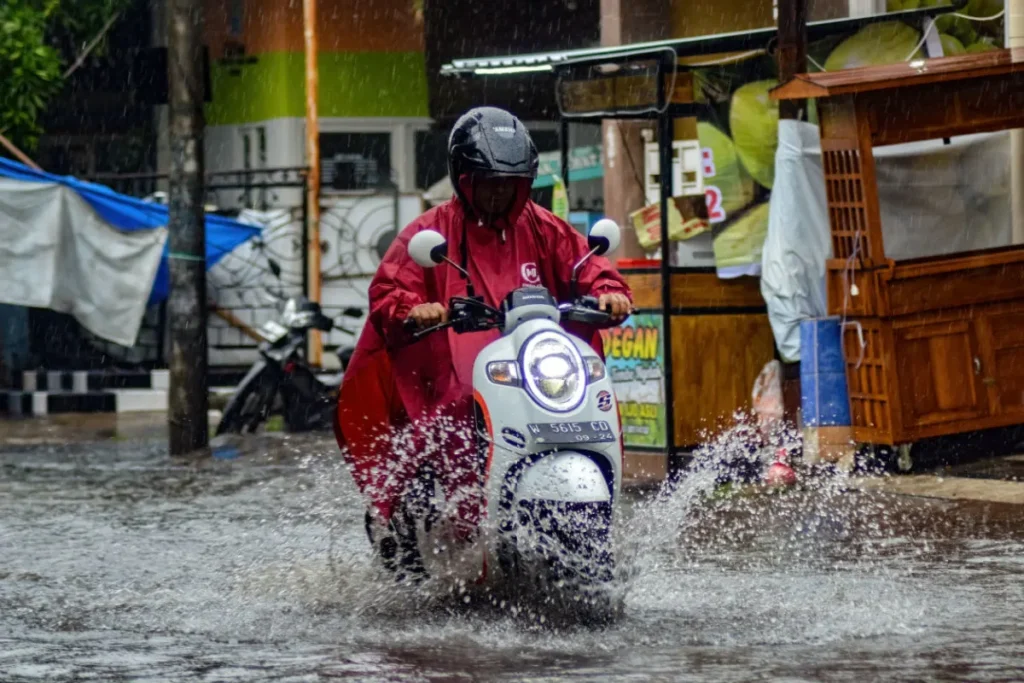
Bali’s rainy season is still very manageable, but it does come with a few realities that are worth factoring into your travel plans. Knowing what to expect makes it much easier to stay flexible and enjoy the island without frustration.
- Plans Can be Disrupted – Rain usually arrives as short afternoon showers, but there are times during the rainy months when it can rain for most of the day, or across several days in a row. Outdoor plans sometimes need adjusting, especially later in the season.
- Rougher Sea Conditions – Heavy rain and shifting weather can affect sea conditions, particularly on routes to nearby islands. Boat crossings can be rough at times, and cancellations do happen. Rougher waters and run off from the river also make diving and snorkelling a poorer experience due to low visibility, especially near the coast.
- Some Areas Are Harder to Access – Low-lying areas can experience brief flooding after heavy downpours, and smaller roads may become muddy or slippery. Rural spots and waterfall trails can be harder to reach immediately after heavy rain, and river levels can rise rapidly without warning.
- Thunderstorms and Sudden Bursts – Tropical rain can be heavy. Thunderstorms do occur, and unexpected downpours can arrive quickly, even on days that start with sunny mornings. It’s worth planning activities earlier in the day and keeping afternoons flexible.
- Higher Humidity and More Mosquitoes – Humid air is more noticeable during the wet season, especially on still days. Mosquitoes and other insects are also more active, particularly near rice fields and standing water, so repellent is essential.
- Less Reliable Conditions for Some Activities – Certain outdoor activities depend heavily on the weather. Hiking, diving, and long day trips can be less predictable, while indoor activities, dining, and cultural experiences tend to work well regardless of rainfall.
Overall, these are considerations rather than deal breakers. Most issues are short-lived, and travellers who plan ahead, stay flexible, and accept that rain is part of the experience tend to enjoy Bali just as much during the wet season.
How Busy Is It During The Rainy Season?
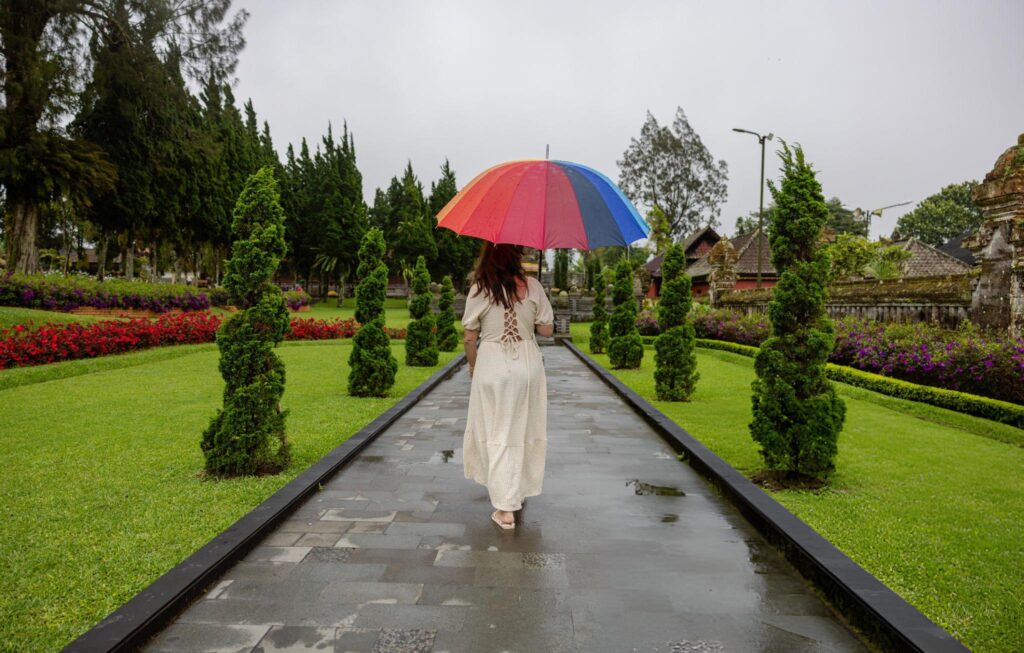
For most of Bali’s rainy season, the island is noticeably quieter than during the dry months. Visitor numbers drop outside of peak season, which means fewer tourists in popular areas, easier transport, and more availability across accommodation, restaurants, and activities.
November, January, and February are considered Bali’s low season. During these months, beaches feel calmer, traffic is lighter, and many places operate at a more relaxed pace. It’s a good time for travellers who prefer space and flexibility over a packed social calendar.
The main exception is the festive period. From mid December through to early January, Bali briefly shifts into high season as Christmas and New Year bring a surge of visitors, particularly from Australia and Europe. Prices rise, popular areas become busy, and bookings fill quickly.
Outside of that window, the rainy season offers one of the least crowded times to visit Bali, with a noticeably slower, more laid-back atmosphere across much of the island.
“Shoulder Season”
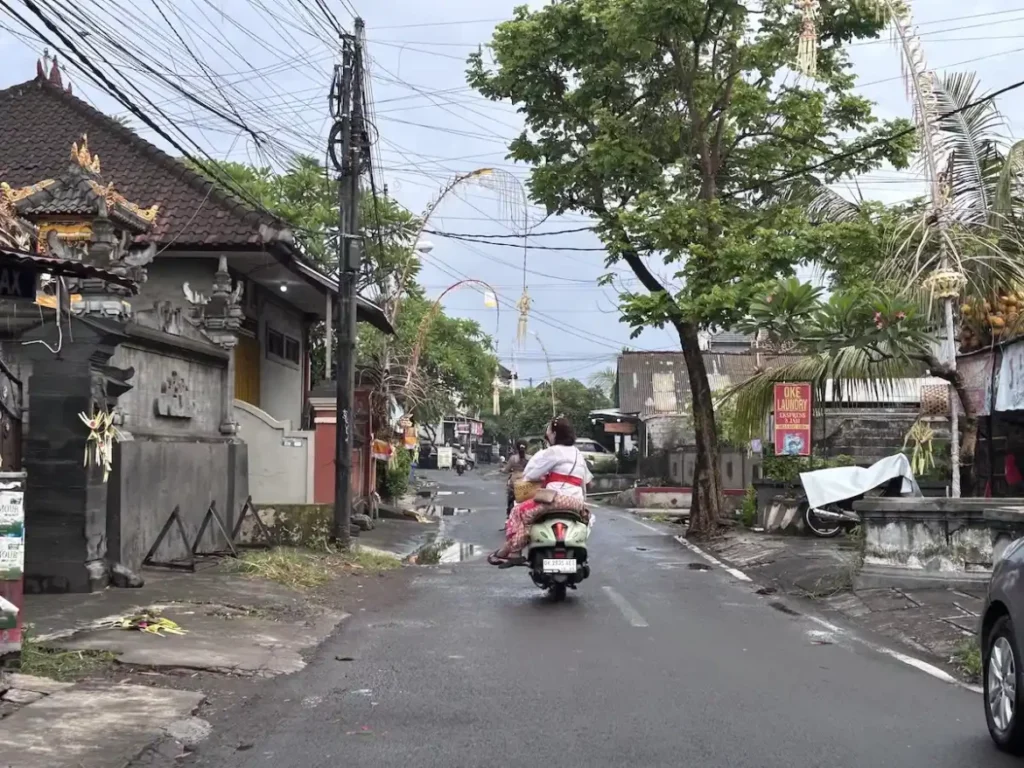
While Bali has two distinct seasons, many travellers consider the months on either side of the rainy season as a shoulder period. The weather is often in transition, with fewer extremes and a mix of dry spells and occasional rainfall.
These shoulder months can be a great time to visit. Crowds are generally lower than peak season, prices are more reasonable, and conditions are often more balanced than at the height of either season. You still get warm temperatures and plenty of outdoor opportunities, without the intensity of peak dry season crowds or the heavier rain seen later in the wet months.
For travellers who want flexibility, good value, and a calmer pace, shoulder season offers a middle ground that works well for many.
Things To Do In Bali’s Wet Season

The wet season doesn’t mean staying indoors all day. With a bit of flexibility, there’s plenty to do in Bali when it rains, and some experiences are actually better during this time of year.
- Indoor Activities – Rainy days are a good excuse to slow things down. Spas, massage, indoor dining, gyms, and cafes are easy fallbacks when the weather turns. Cooking classes, including a Balinese cooking class, work well year-round and don’t rely on clear skies.
- Plan Outdoors Activities for the Morning – Many days still start dry, with sunny mornings before short afternoon showers roll in. Early starts are ideal for sightseeing, markets, walks, and getting outdoors before rain arrives later in the day.
- Chase Waterfalls and Lush Scenery – This is when Bali’s landscapes look their best. Waterfalls are more powerful, rice terraces are bright green, and jungle areas feel alive. Central Bali, in particular, really shines during the rainy months.
- White Water Rafting – Higher water levels make rafting more exciting during the wet season. It’s one of the few activities that genuinely benefits from rainfall rather than being disrupted by it.
- Beach Time – Rain rarely lasts all day. Quick swims, beach walks, and relaxed afternoons by the sea are still very doable between tropical showers, especially outside the festive peak.
- Beach Clubs and Nightlife – Rain doesn’t slow Bali’s social scene. Beach clubs are well covered, and when you’re already in the pool, a tropical downpour barely matters. FINNS remains a go-to during the rainy season, with plenty of shelter, multiple bars, and an atmosphere that works just as well in the rain as it does in sunshine. Nightlife across the island continues year-round, regardless of the weather.
The key to enjoying Bali during the rainy season is staying flexible. Mix outdoor plans with easy backups, start days early, and treat rain as part of the experience rather than something that stops it.
Special Events In The Rainy Season In Bali

The rainy season in Bali isn’t just about heavier showers and greener landscapes. It also lines up with some of the island’s biggest cultural and public events, giving visitors a very different feel compared to the dry months.
- Christmas and New Year’s – Late December into the first few days of January is the busiest time of year in Bali, full stop. Clubs and beach clubs book out well in advance, big venues run ticketed New Year’s Eve events, and nightlife areas are packed night after night. At the same time, there are plenty of quieter, family-friendly celebrations, hotel dinners, and cultural events happening across the island, so it’s not all party-focused.
- Chinese New Year – Usually falling between late January and mid-February, Chinese New Year brings colourful celebrations, especially in areas with strong Chinese heritage. Expect temple visits, family gatherings, and a noticeable increase in local travel during this period.
- Hari Raya Siwa Ratri – This Hindu holy night typically takes place in January. It’s a quieter, more spiritual event focused on reflection and self-control, with ceremonies held across temples in Bali.
- Nyepi – Nyepi, the day of silence, normally falls in March and marks the Balinese New Year. The island effectively shuts down for 24 hours, including airports and roads. It’s one of the most unique experiences in Bali, and it always happens during the rainy season.
- Denpasar Festival – Held toward the end of the year, the Denpasar Festival celebrates Balinese culture with parades, performances, art, and food stalls. It draws large local crowds and adds to the festive feel of the wet season.
What To Pack For Bali’s Wet Season

Bali’s rainy season doesn’t require special gear, but a few smart additions can make a big difference when dealing with tropical showers, humid air, and the occasional unexpected shower.
- Light Rain Jacket – A lightweight rain jacket is far more practical than an umbrella. The rain can be heavy but short, and something breathable packs small and dries quickly.
- Waterproof Bag – Sudden rain can catch you out while walking, riding, or heading to the beach. A small waterproof bag or dry pouch helps protect phones, cameras, and documents, especially during frequent rain or boat trips.
- Mosquito Repellent – Mosquitoes are more active during the wet season, particularly after rain and around low-lying areas. Bring a strong repellent or buy locally once you arrive.
- Closed Shoes – Slippery roads, muddy paths, and occasional flooded streets make closed shoes useful, especially if you’re exploring beyond South Bali or heading inland. Flip flops are still fine most days, but it’s good to have options.
- Normal Warm Weather Clothes – Bali’s tropical climate stays warm year-round. Light, breathable clothing works just as well in the rainy season, with quick-drying fabrics being the most comfortable.
- Swimming Gear – You’ll still get plenty of pool and beach time. Many people swim more during the rainy season, especially at the calmer beaches and resorts.
- A Smile and an Open Mind – Rain is part of the season in Bali. Plans may shift, weather changes quickly, and that’s all part of the experience. Staying flexible is often what makes the trip enjoyable.
FAQs
Is Bali Worth Visiting In The Rainy Season?
Yes, for many travellers it absolutely is. While you’re not guaranteed to see sunshine every day, most of the time it’s only short bursts of rain in the afternoon, and extreme weather is uncommon.
With fewer crowds, a slower pace, greener scenery, and better value overall, if you’re flexible with plans and happy to work around occasional rain, it can be a very rewarding time to visit.
When Is Bali’s Dry Season?
Bali’s dry season typically runs from April to October. These months bring lower humidity, more consistent sunshine, and calmer seas, which is why they’re considered high season for travel. July and August are the busiest months, when dry Bali weather coincides with holidays in Australia and Europe.
Bali Wet Season Or Rainy Season?
They’re the same thing. Both terms are used interchangeably to describe the rain season in Bali. “Wet season” is often preferred locally, as rain usually comes in bursts rather than constant downpours.

Final Thoughts On The Bali Rainy Season
Bali’s rainy season isn’t something to avoid by default. It’s simply a different side of the island, shaped by warm, tropical weather and a more relaxed rhythm of travel.
With a bit of flexibility and realistic expectations, it’s still easy to enjoy Bali’s culture, landscapes, and the island’s beauty – sometimes even more so without the crowds.
If you’re not chasing guaranteed sun and don’t mind the occasional downpour, the wet season can be one of the most enjoyable times to experience Bali.