

Let’s Talk Travel Insurance For Bali: Everything You Need To Know
FINNS Holidays is all about holidays in Bali, and tens of thousands of people visit Bali every year without a single issue. In fact, many
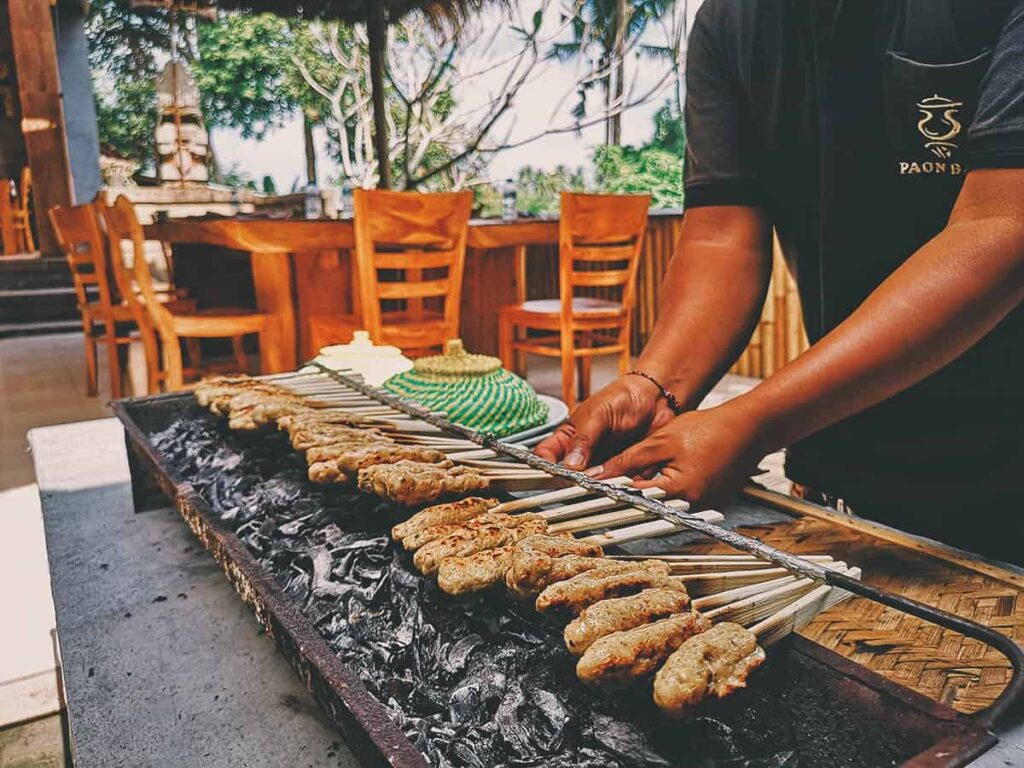
Bali has an incredible food scene, but some of the best things you’ll eat on the island won’t come from a fancy restaurant. You’ll find local favourites being cooked at markets, roadside stalls, small warungs and food carts all over the island.
Trying Bali street food is a great way to discover both Balinese and Indonesian food, often for a fraction of what you’d pay in the main tourist areas.
From babi guling and nasi campur to sate sizzling over hot coals, here’s what to look out for on your trip to Bali.
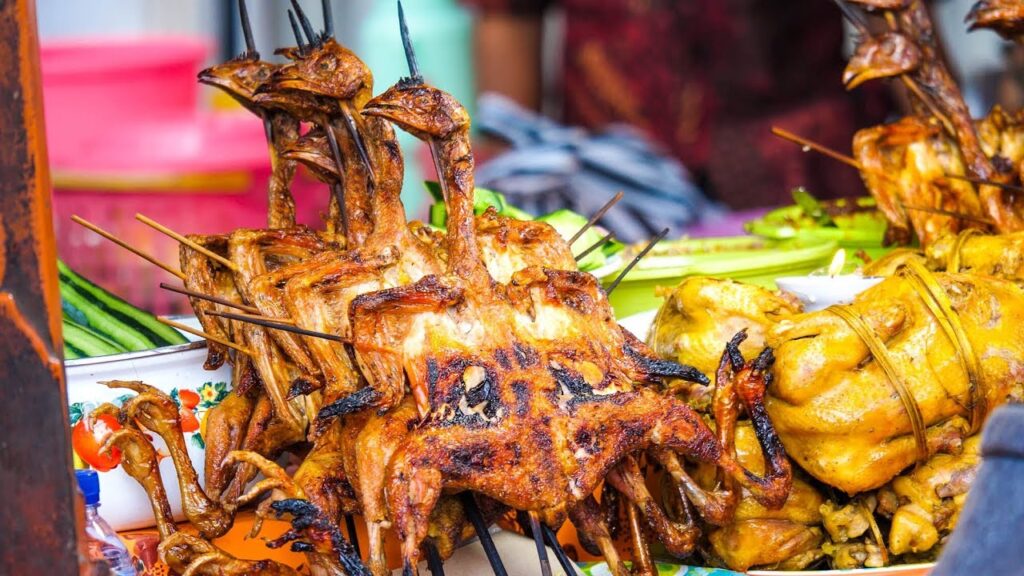
Street food in Bali covers everything from a food cart or roadside stall to simple warungs and busy local markets. Some vendors specialise in just one type of food, while others have a selection of dishes prepared and ready to serve.
You’ll find a mixture of traditional Balinese food and favourites from elsewhere in Indonesia, with plenty of regional variations along the way. Prices are generally low, portions can be small, and many places are popular with locals and tourists alike.
For anyone new to street food, don’t be put off by the simple surroundings. A busy little stall with a handful of plastic chairs can serve some seriously good food.
Bali’s street food scene has a bit of everything, from traditional Balinese favourites to dishes found across Indonesia and a few things you might not expect. Here are some of the foods you have to try.
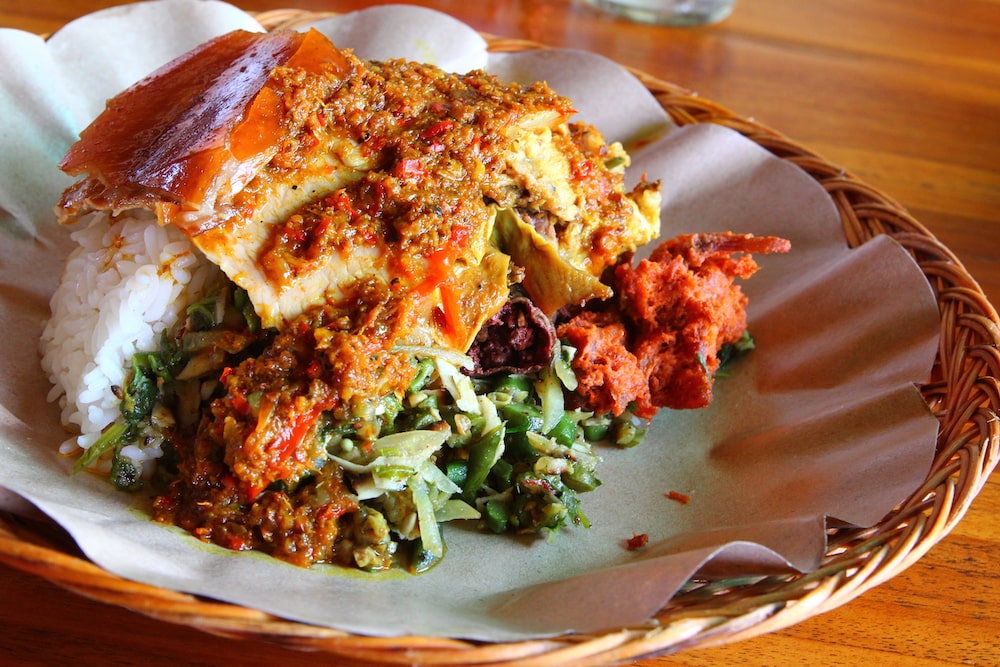
Babi guling is probably Bali’s most famous local dish. Traditionally prepared for religious ceremonies and communal feasts, you’ll now find it everywhere from high-end restaurants to small warungs and streetside stalls, which is where you’ll often find some of the best.
A whole suckling pig is stuffed and seasoned with a mixture of Balinese herbs and spices before being slowly roasted until the meat is tender and the skin turns wonderfully crunchy. It’s usually served with rice, vegetables, sambal and pieces of that all-important crispy skin.
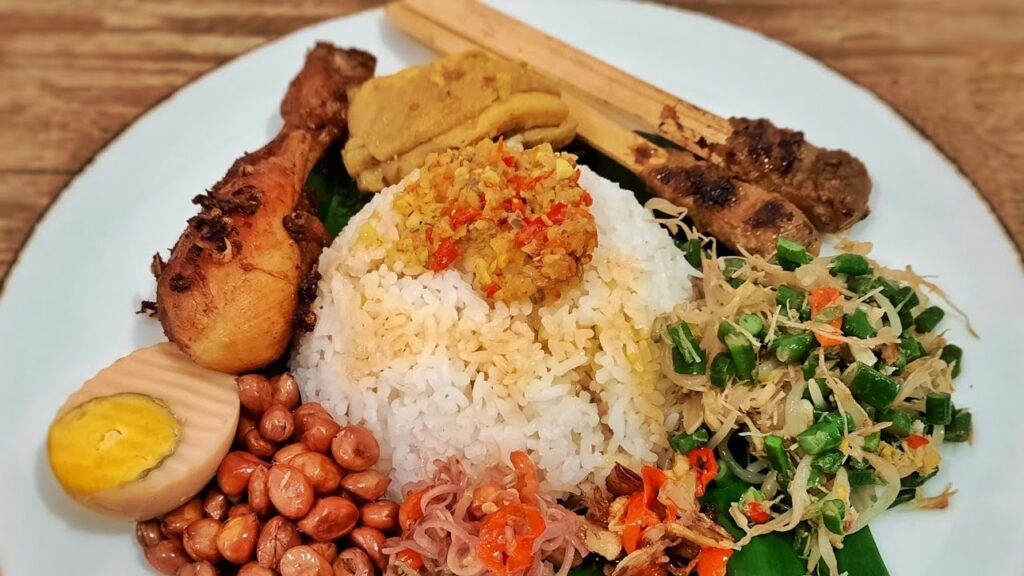
Nasi campur is found across Indonesia; it literally translates to “mixed rice”, but Bali has its own distinctive take on the Indonesian mixed-rice dish. A plate starts with white or yellow rice, accompanied by a selection of side dishes that can include shredded chicken or pork, vegetables, tofu, tempeh, egg and plenty of sambal.
There’s no single recipe, and that’s part of the appeal. Every warung does things a little differently, so you can order nasi campur several times during your trip and rarely end up with the same meal twice.
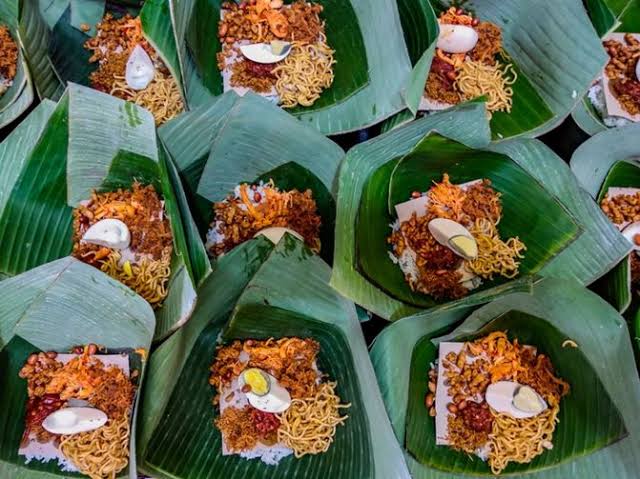
Nasi jinggo is a Balinese favourite that’s particularly well suited to street food. Traditionally served as a small portion wrapped in a banana leaf, it usually combines rice with shredded chicken, noodles, tempeh and sambal, although you’ll find plenty of variations.


The portions are deliberately small and inexpensive, making nasi jinggo ideal for a quick snack or for ordering a couple if you’re particularly hungry. You’ll find it at warungs, markets and streetside vendors across Bali.
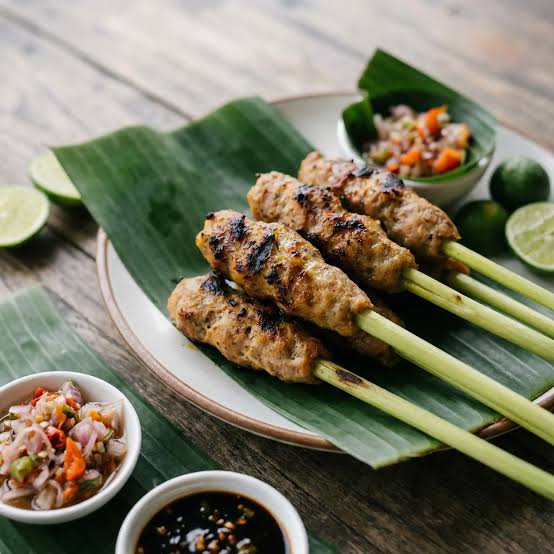
Sate lilit is Bali’s distinctive take on Indonesian satay. Instead of chunks of meat threaded onto a skewer, minced meat is mixed with coconut, herbs and spices before being wrapped around a bamboo stick or lemongrass stalk and grilled over hot coals.
Fish is particularly common, although you’ll also find versions made with chicken, pork or other meats. Unlike sate ayam, which is commonly served with peanut sauce, sate lilit is already packed with flavour and often served without it.
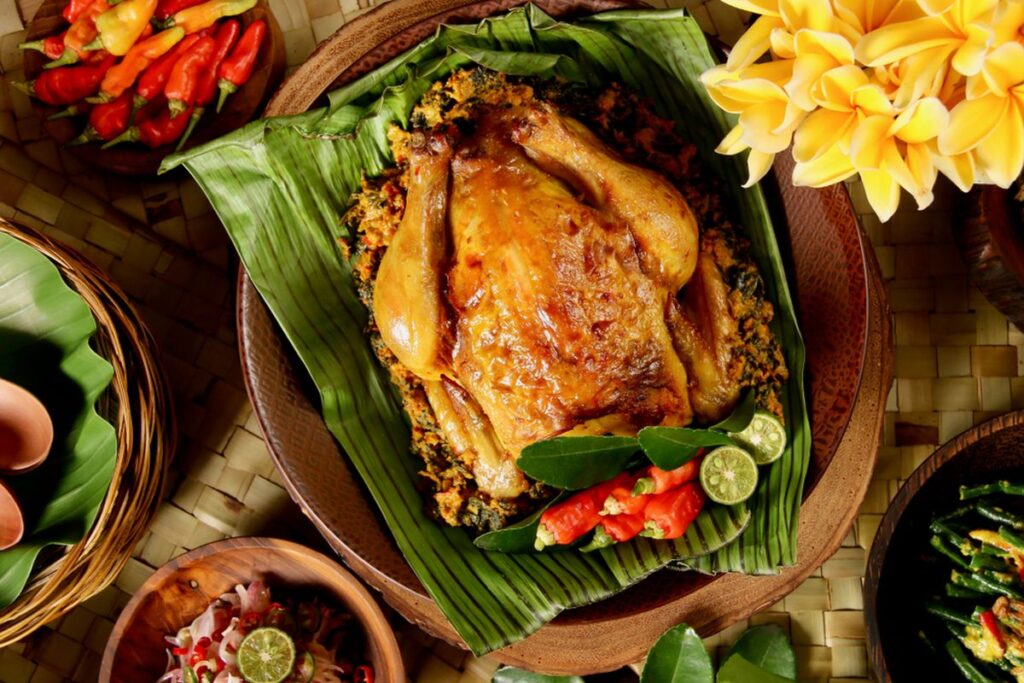
Bebek betutu is a traditional Balinese dish made by coating duck with a rich mixture of local herbs and spices before slowly cooking it until the meat is tender and packed with flavour. The long cooking process means this isn’t exactly fast food, but you’ll find portions ready to serve at markets, stalls and local warungs.
Chicken versions, known as ayam betutu, are also extremely common and well worth trying if you’re not a fan of duck.
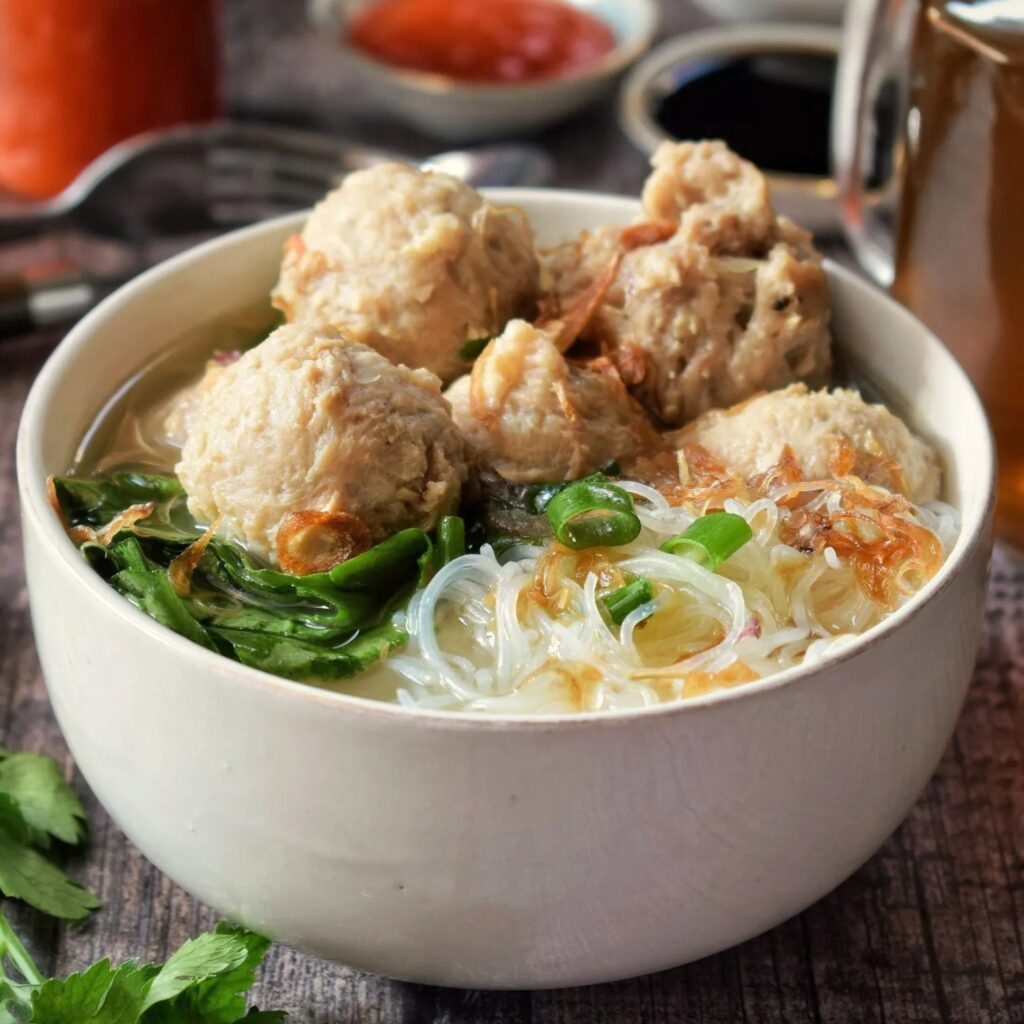
Bakso is a traditional Indonesian meatball that’s found everywhere from food carts and street vendors to restaurants. The meatballs are most commonly made with beef, although chicken, pork and fish versions are also available.


It’s usually served as a warming meatball soup with noodles, broth and various toppings, with sambal and sweet soy sauce available if you want to add a little extra flavour. It’s cheap, filling and hugely popular with Indonesians across the country.
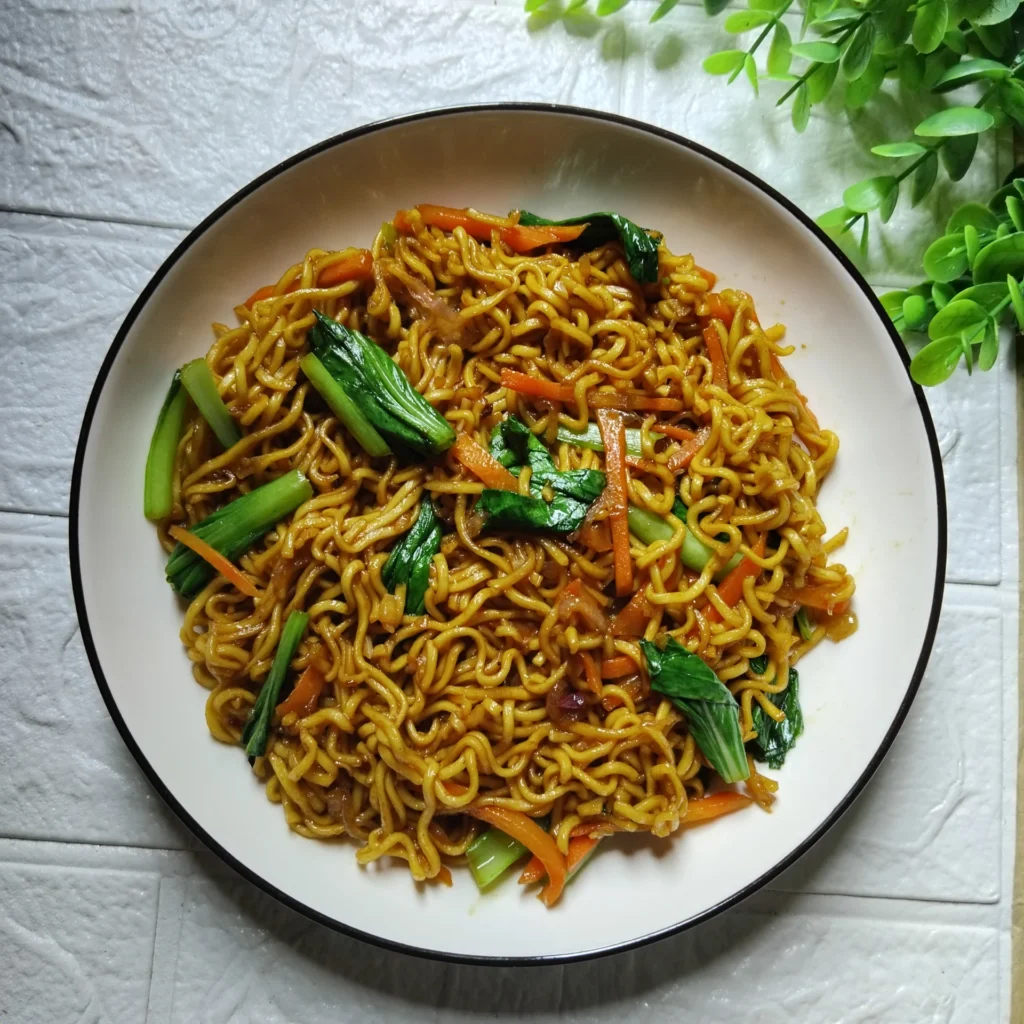
Mie goreng is Indonesia’s classic fried noodle dish and one of the easiest meals to find when you’re looking for something quick and inexpensive. The noodles are stir-fried with vegetables, sweet soy sauce and seasonings, usually with egg and a choice of chicken, seafood or other meat.
Every vendor has their own version, and a spoonful of sambal can add some serious heat if you want it.
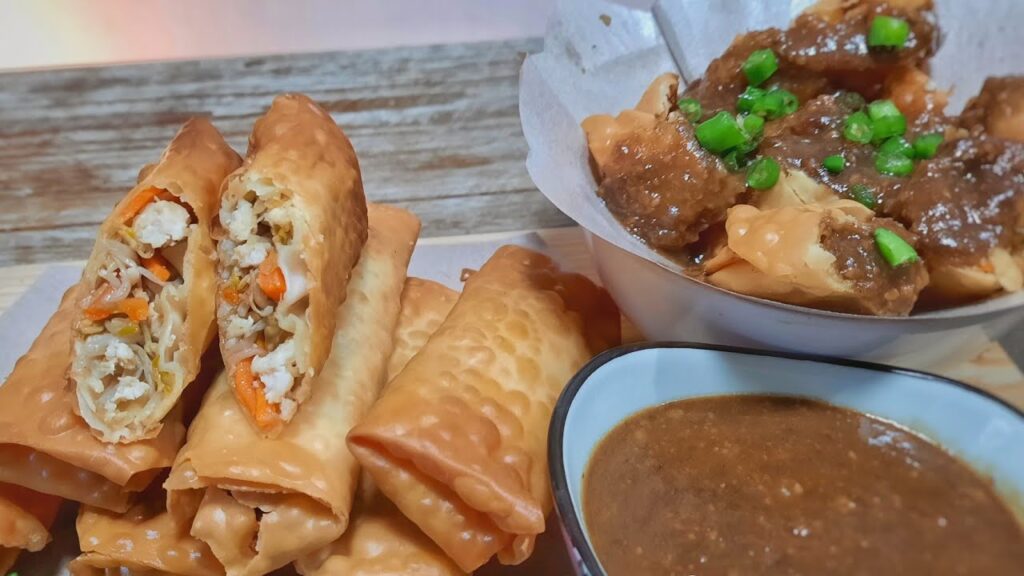
Lumpia Bali is the island’s own take on the Indonesian spring roll. The thin wrappers are filled with vegetables and sometimes meat or prawns, then fried until crisp and crunchy.
What makes the Bali version stand out is how it’s served, often with a generous helping of fresh vegetables and a sweet, spicy sauce rather than simply being eaten as a plain fried spring roll. They’re an easy snack to pick up from markets and street-side stalls.
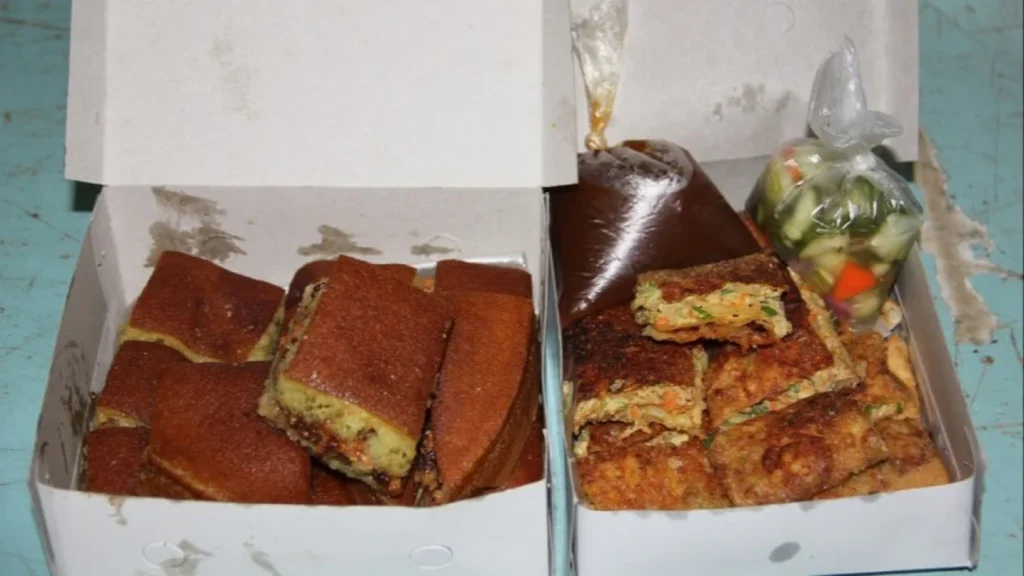
Martabak comes in both savoury and sweet versions, and you’ll often see it being cooked fresh by street vendors in the evening. Savoury martabak is typically stuffed with egg, meat and seasonings, then fried until crisp and cut into squares.
The sweet version, martabak manis, is also known as terang bulan. It’s a thick, fluffy pancake folded around fillings such as chocolate, condensed milk, peanuts or cheese. It’s rich, sweet and definitely better shared if you’ve already eaten dinner.
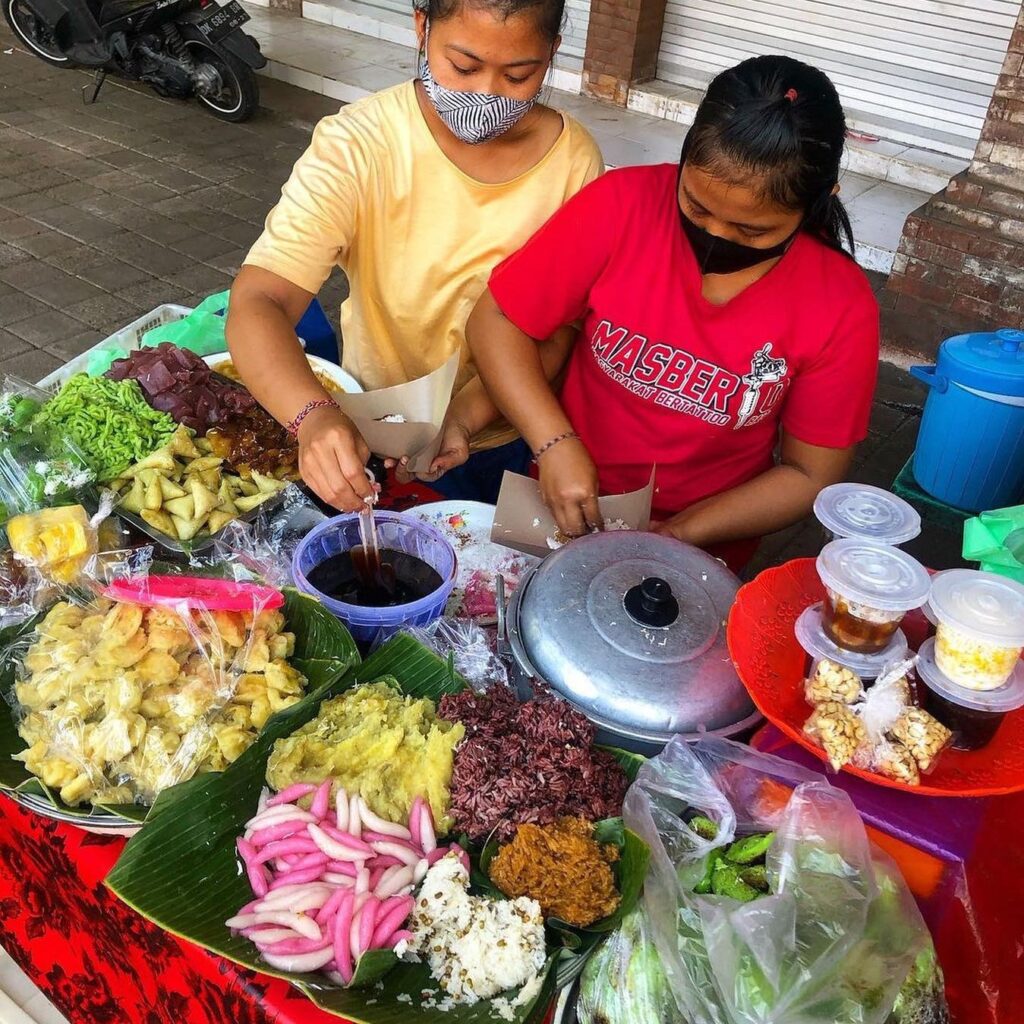
Jaje Bali is the name given to a colourful assortment of Balinese cakes and sweet snacks, rather than one particular dessert. Wide varieties are similar to sticky rice cakes, made with rice flour or sticky rice and ingredients such as coconut, coconut milk and palm sugar.


You’ll find them sold at traditional markets and street stalls, often with several different types bundled together or wrapped in a banana leaf.
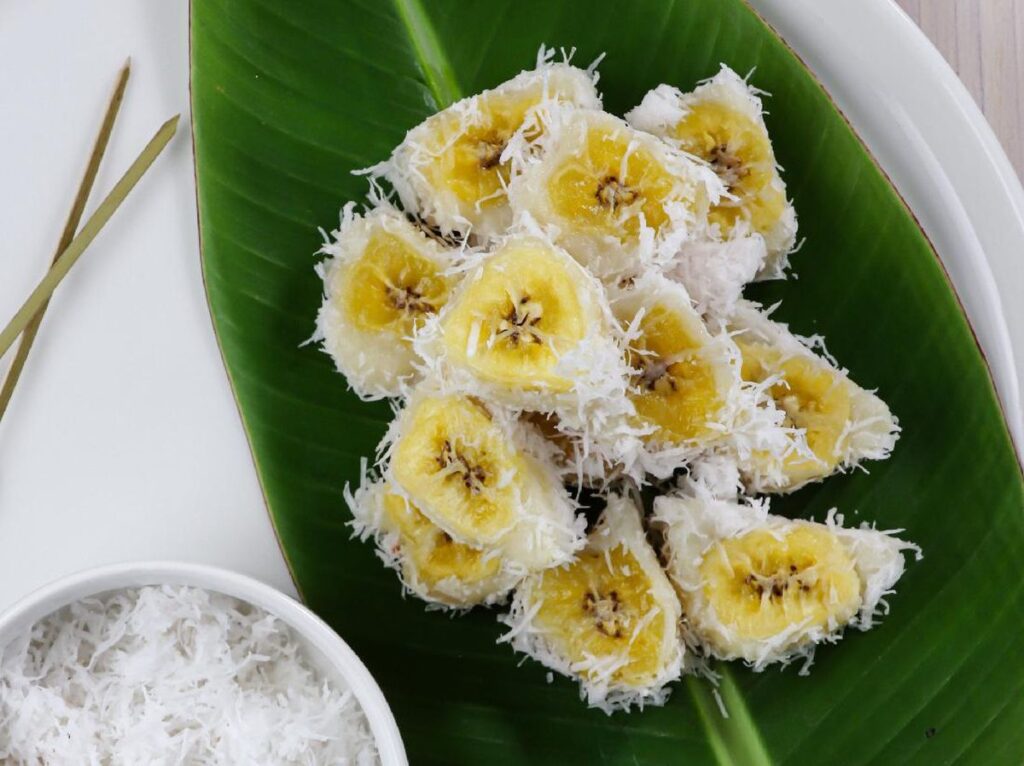
Pisang rai is a simple Balinese sweet snack made from bananas coated in a soft rice-flour dough and boiled until cooked. They’re then rolled in freshly grated coconut and usually served with palm sugar syrup for extra sweetness.
Soft, slightly chewy and not overly heavy, they’re commonly sold in traditional markets and make a nice change from the fried snacks and richer desserts you’ll find elsewhere.
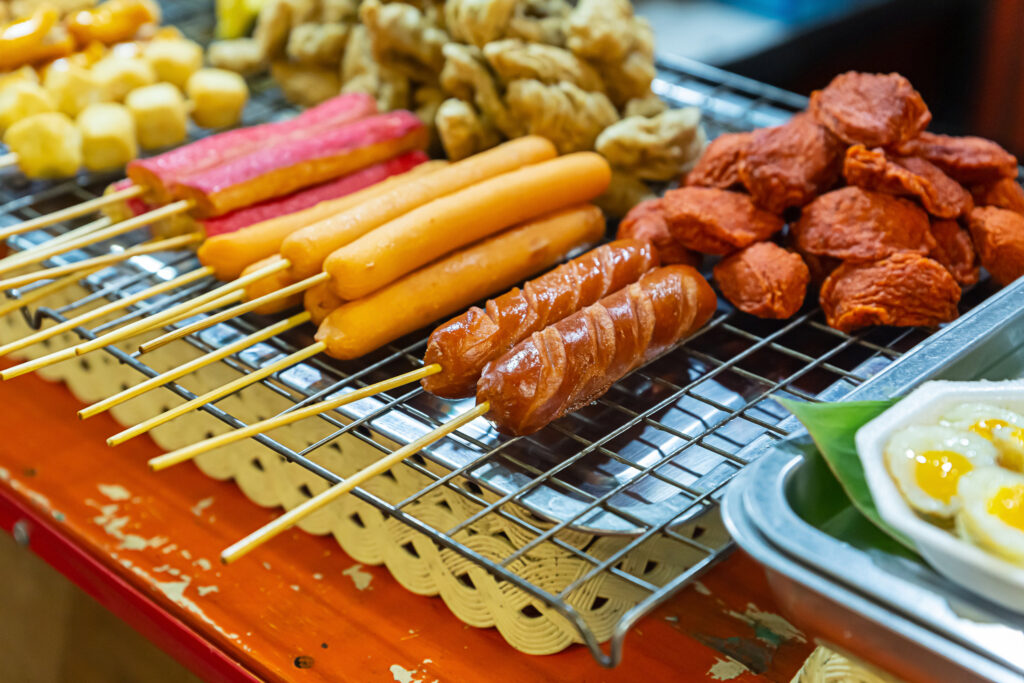
Not everything you’ll find on Bali’s streets and at local markets is Indonesian. You’ll often come across stalls selling familiar Western favourites such as burgers, pizza, loaded fries, jacket potatoes and sausages, sometimes with a local twist.
And they’re certainly not just there for tourists. You’ll see plenty of locals ordering them too, particularly at busy evening and night markets.
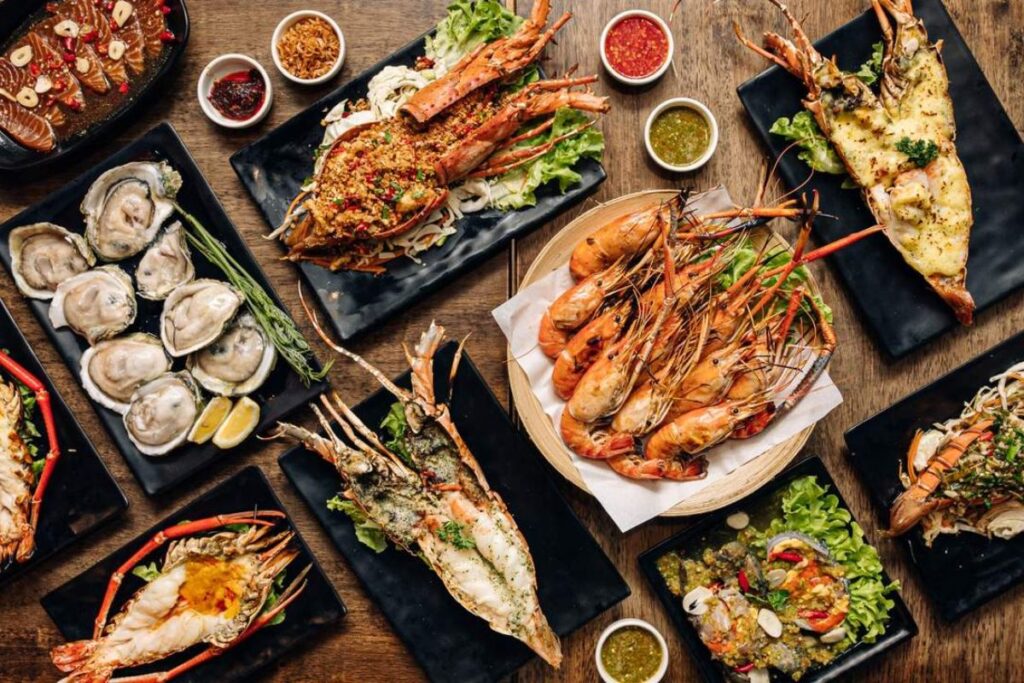
With so much coastline, fresh fish and seafood are a big part of eating in Bali. At markets and streetside stalls, you’ll find whole fish, prawns, squid and other seafood cooked over hot charcoal, often right in front of you.
Preparation is usually fairly simple, letting the fresh seafood itself do most of the work, although marinades, spices and plenty of sambal can add some serious flavour. Order a few different things to share with rice and vegetables, and you’ve got one of the best street-side meals on the island.
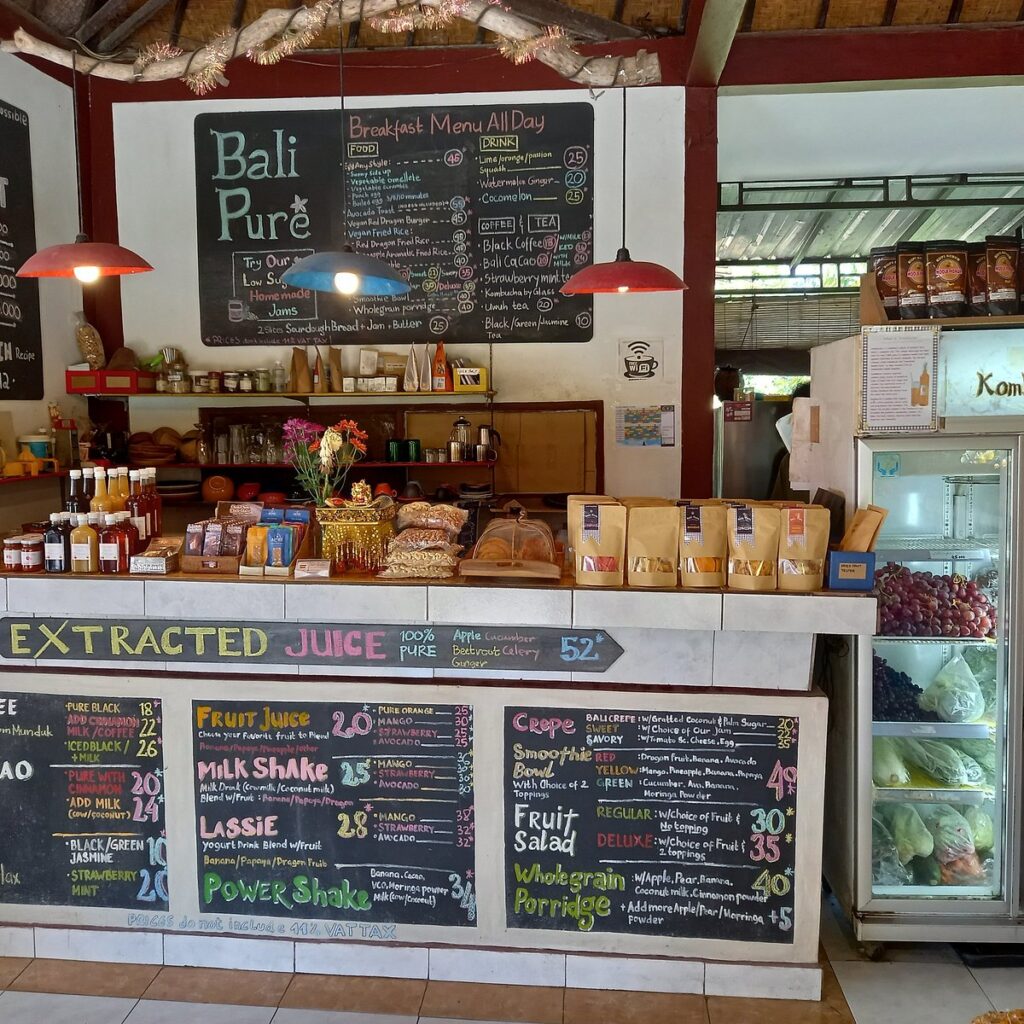
You’ll have no trouble finding something to wash it all down with. Fresh fruit juices, iced tea and coffee are everywhere, but look out for es kelapa muda, a refreshing drink made with young coconut water, ice and soft coconut flesh.
You’ll also find the usual bottled and canned drinks, including Coca-Cola and local favourites such as Tehbotol. Some markets and street food areas sell cold beer too, so there’s something for pretty much everyone.


Some of the best spots for street food are the local markets in Bali, but you’ll also find plenty of food options along busy streets, beside beaches and tucked away from the main tourist areas. Here are a few places to try the local food during your visit to Bali.
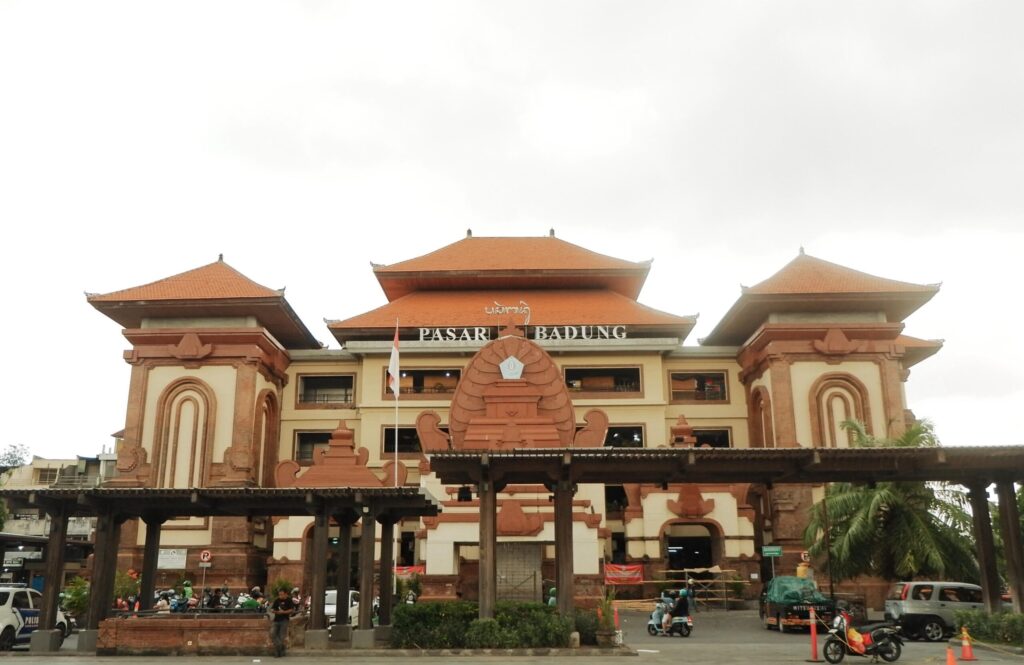
If you want to experience a busy local market in Denpasar, Badung Market is a great place to start. Bali’s largest traditional market is packed with fresh produce, spices, household goods and, of course, plenty of food.
Come hungry and wander through the surrounding streets too, where you’ll find vendors serving authentic dishes and inexpensive snacks throughout the day. It’s also a good opportunity to experience a side of the city’s rich culture that many visitors miss.
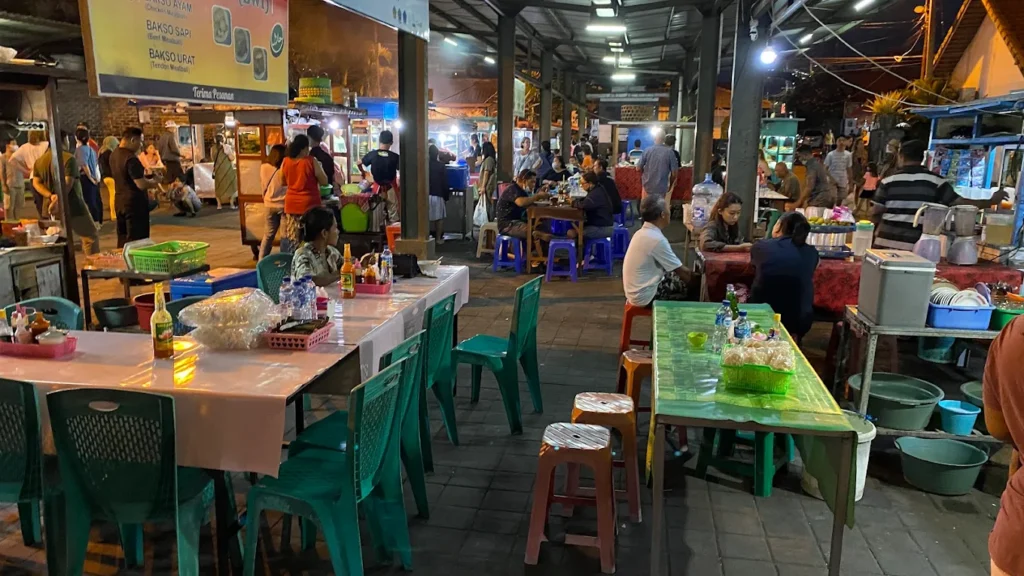
Sindhu Night Market is one of the easiest places to sample a wide selection of street food in one evening. This popular night market in Sanur fills with stalls selling everything from grilled meats and rice dishes to sweet snacks, fresh juices and desserts.
It’s relaxed, inexpensive and easy to explore on foot, making it a particularly good choice if you’re new to Bali’s street food scene and want plenty of different food options in one place.
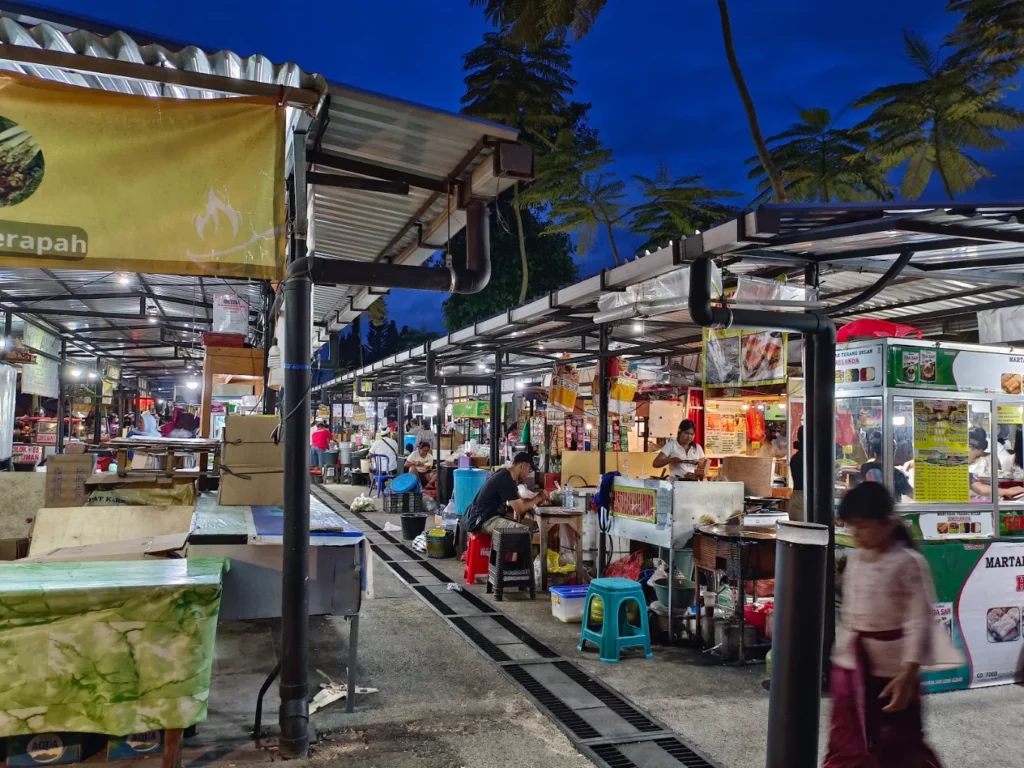
Gianyar Night Market is another of the best spots for an evening of authentic local food, particularly if you’re staying around Ubud or exploring central Bali.
The market gets busy with local families in the evening, with vendors cooking a huge range of street food dishes and local Balinese foods. It’s less polished than many dining areas in the main resorts, but that’s very much part of the experience.
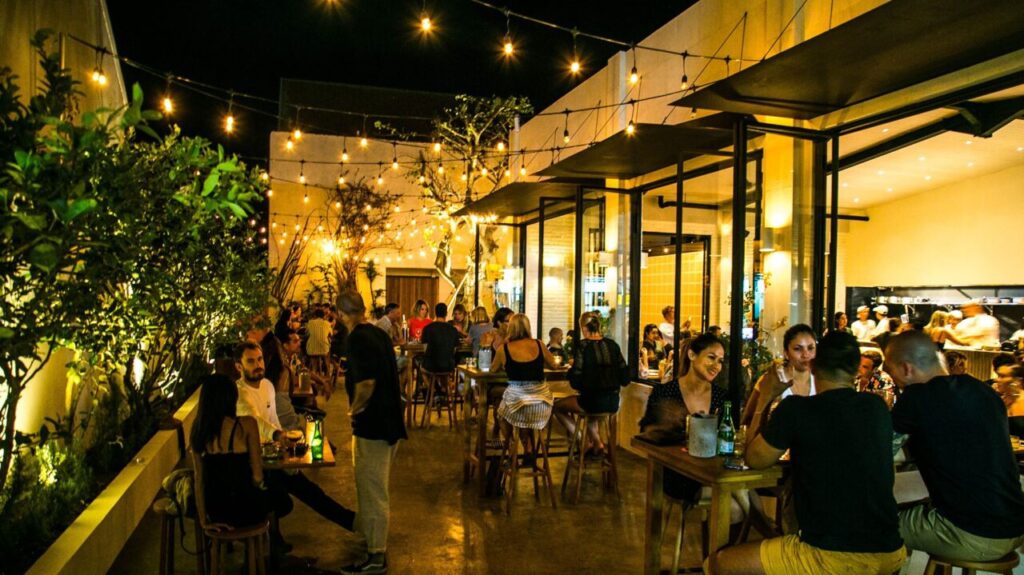
Canggu’s food scene has changed enormously, but you can still find inexpensive local food among the cafes and restaurants. Jalan Batu Bolong and the streets surrounding it are good places to start, with small eateries, vendors and casual spots mixed in among Canggu’s more fashionable venues.
Head away from the busiest tourist areas and prices generally drop, with plenty of Indonesian favourites still popular in Bali among locals and long-term residents.
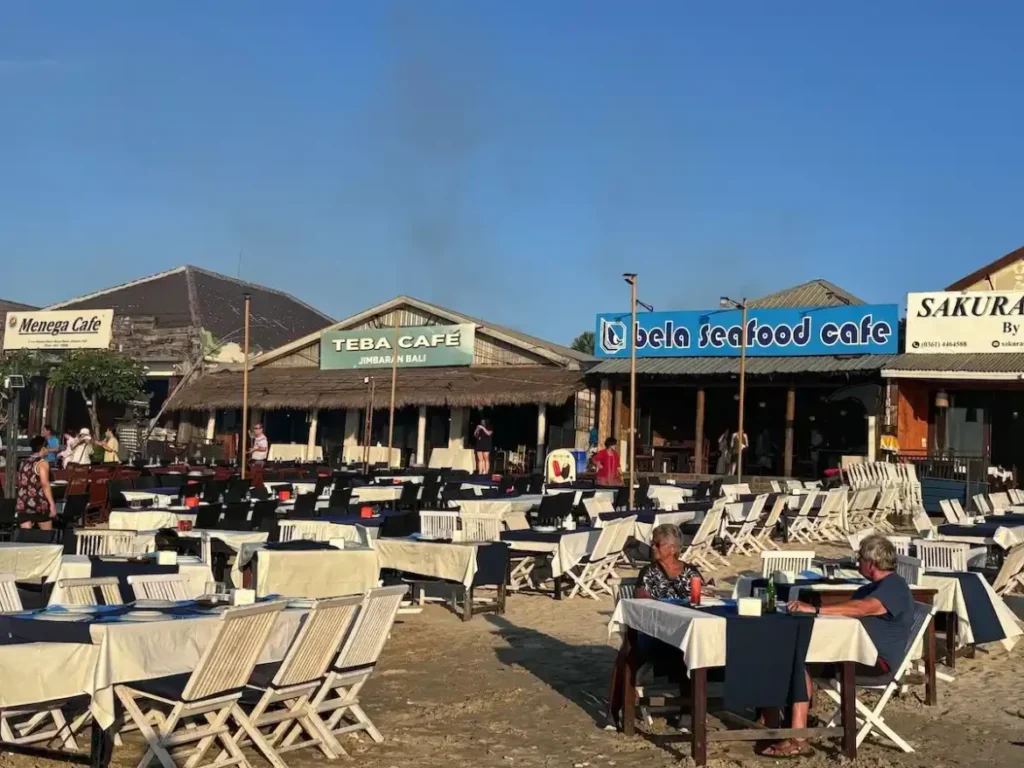
Jimbaran offers a different kind of street-food experience, with fresh fish and seafood taking centre stage. Start around the seafood market, where you can choose from the day’s catch and have your fish cleaned and cooked nearby.


Later in the day, the beachfront comes alive with seafood stalls and casual places grilling fish, prawns, squid and shellfish over charcoal. Grab a table near the sand, and you’ve got dinner with a Bali sunset thrown in.
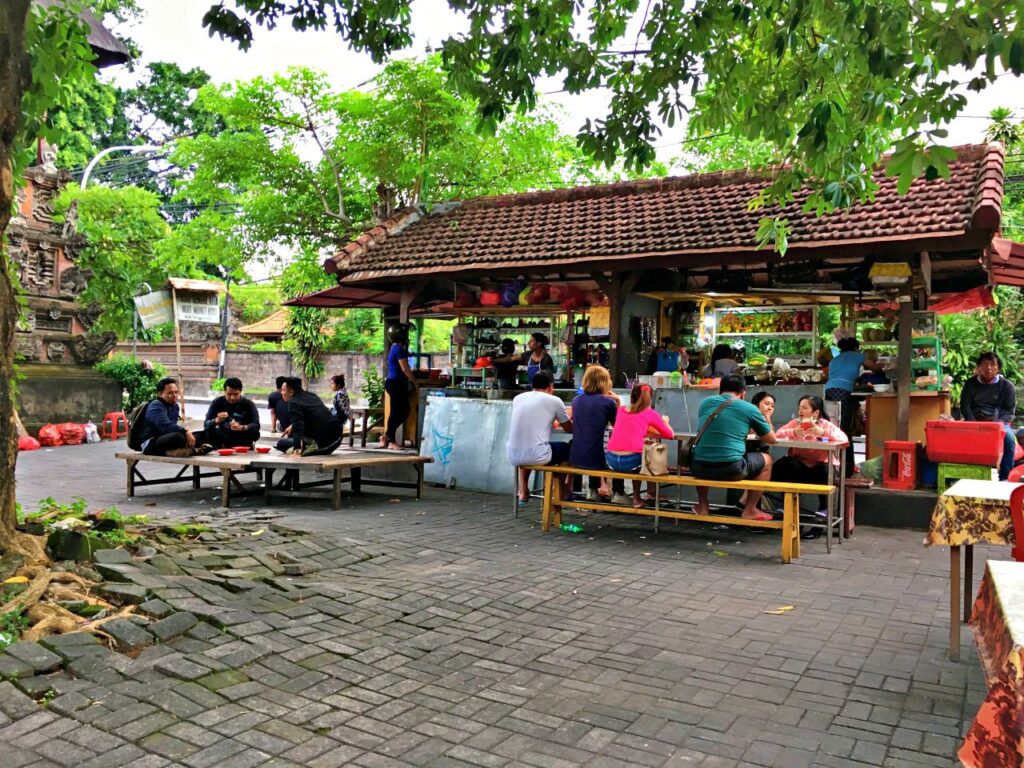
Kuta may be one of Bali’s most established tourist areas, but you don’t have to eat in tourist restaurants. Explore the smaller streets away from the beachfront, and you’ll find plenty of inexpensive Indonesian food, simple stalls and local favourites.
It’s particularly handy if you’re staying in South Bali and want to try some everyday local food without making a special journey to one of the island’s larger markets.
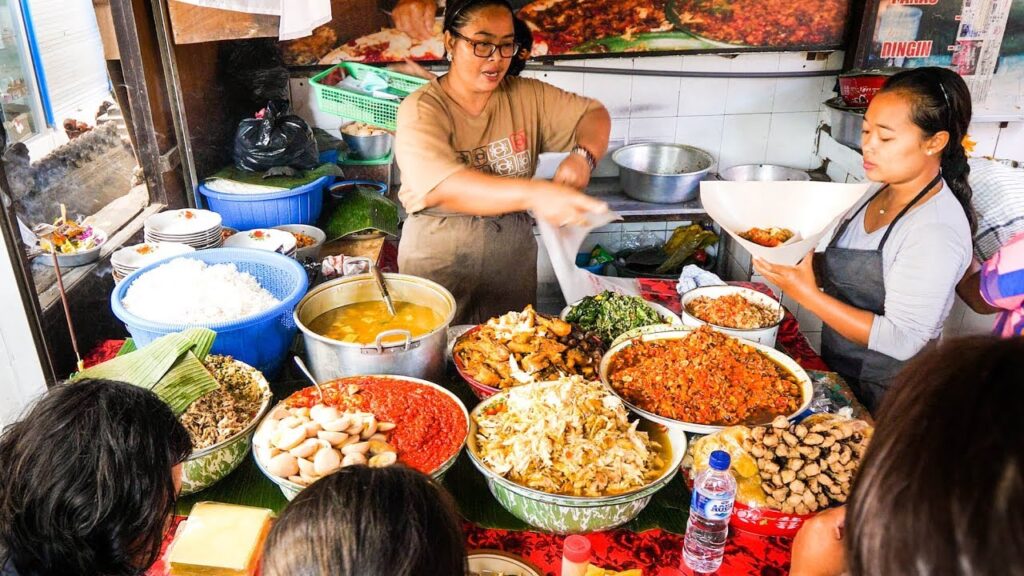
You certainly aren’t limited to the places we’ve mentioned above. From Lovina in North Bali to Amed on the east coast, the Bukit Peninsula in the south and even across the water on Nusa Penida, you’ll find street food all around Bali.
Keep an eye out for roadside stalls, small local markets and small local restaurants serving street food wherever you travel. Sometimes the best finds are the ones you weren’t actually looking for.
Yes, of course, although you should use the same common sense you would when eating street food anywhere in Indonesia. Look for busy food stalls where ingredients are being turned over regularly, and choose hot food that’s freshly cooked rather than something that’s been sitting around for hours.
Bali belly can happen regardless of where you eat, but choosing busy warungs and street vendors with good hygiene is a sensible place to start.
There’s no shortage of different foods to try in Bali. Babi guling, nasi campur, nasi jinggo, sate lilit, bakso and lumpia are some of our favourites, alongside plenty of sweet snacks and desserts.
You’ll also find Indonesian favourites such as mie goreng, as well as dishes and snacks from other parts of the country.
Yes. Vegetarian street food is easy to find, with tofu, tempeh, vegetables and rice featuring heavily in Indonesian food. Just remember that sauces and sambal may contain ingredients such as shrimp paste, so ask if you’re unsure.
Halal food is also widely available, although Bali itself is predominantly Hindu and pork is common in traditional Balinese cuisine. Look for vendors displaying a halal sign or choose Muslim-run warungs if you need to be certain.
A gerobak is actually the food cart itself rather than something you eat. These small mobile street carts are a familiar sight across Indonesia, with vendors selling everything from meatball soup and noodles to snacks and drinks.
You’ll see them beside roads, around markets and in residential areas, sometimes pushed by hand or set up in the same spot each day.
Street food is one of the easiest ways to experience the local food scene in Bali, whether you’re grabbing a quick nasi jinggo or sitting down at a busy warung.
Try a few different foods, eat where the locals eat, and don’t be afraid to order something unfamiliar. Some of the best meals on your Bali trip might also be some of the cheapest.
FINNS Holidays is all about holidays in Bali, and tens of thousands of people visit Bali every year without a single issue. In fact, many

Planning a short Bali itinerary? 5 days may not seem like a lot, but there’s plenty of time to enjoy the beaches of Canggu, temples of Ubud and more.

Looking for the best breakfast Bali has to offer? Discover 24 top cafes for everything from smoothie bowls and coffee to big breakfasts and brunch.

Worried about tomcats? Bali has them, but our guide to understanding these rove beetles covers their toxin, burns, treatment and how to avoid them.
Pay Safely With Us