

Let’s Talk Travel Insurance For Bali: Everything You Need To Know
FINNS Holidays is all about holidays in Bali, and tens of thousands of people visit Bali every year without a single issue. In fact, many
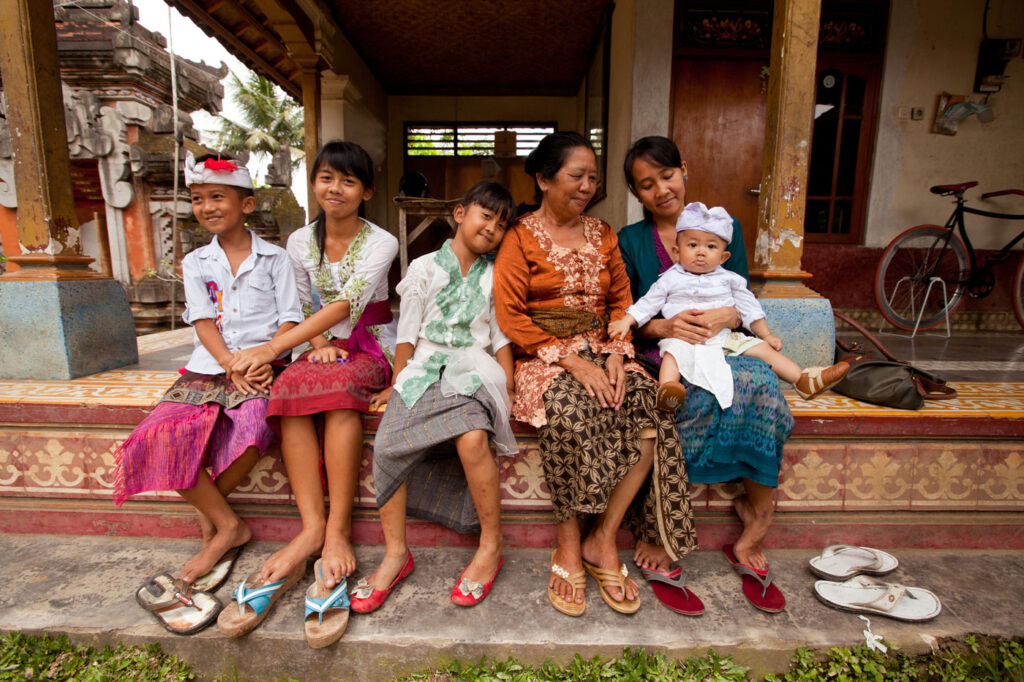
If you’ve spent any time in Bali, you’ve probably noticed just how many Balinese people seem to share the same names. That’s because names here often tell you much more than simply what someone is called.
The Balinese naming system can reflect birth order, gender, caste and lineage, although traditions vary between families and different parts of the island.
So, what can a Balinese name actually tell you about someone, and why do so many people appear to have the same one? Let’s take a closer look.
Names in Bali can tell you quite a lot about a person. Unlike most Western naming systems, a Balinese name may include several different elements, including a birth order name, caste or social title, gender marker and a personal or given name.
Birth order is the part visitors tend to notice first. Balinese families traditionally use a small group of names depending on whether someone is the first, second, third or fourth-born child, with the cycle beginning again for later children.
Caste and lineage can also influence a person’s name, while individual names help distinguish between the many people who share the same birth order names. The system isn’t identical across every family or region either, so you’ll come across plenty of variations as you travel around Bali.
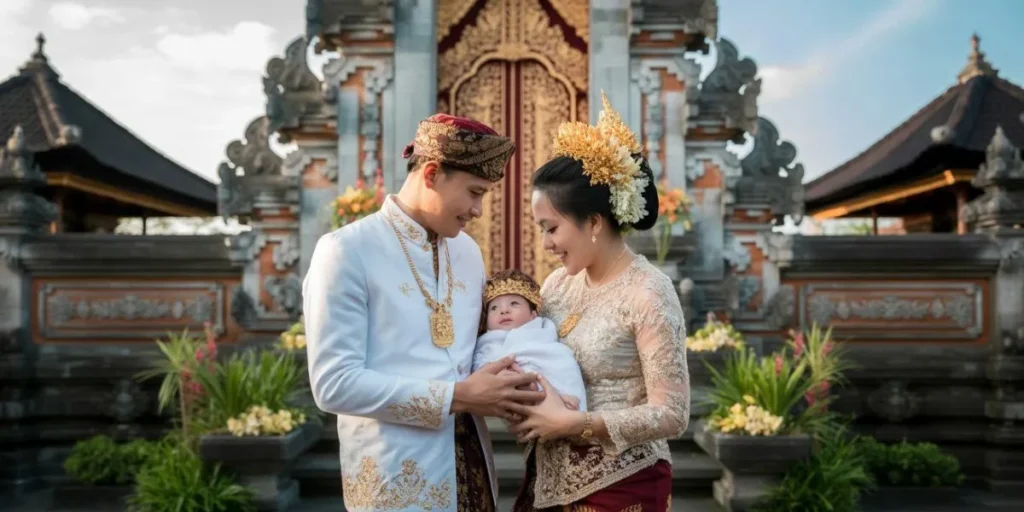
One of the most distinctive parts of the Balinese naming system is the use of birth order names. Traditionally, the name you’re given depends partly on whether you’re the first, second, third or fourth child in your family.
There isn’t just one name for every position either. Different names and variations are used across Bali, and regional customs can influence which one a family chooses.
The first-born child is commonly named Wayan, although Putu and Gede are also widely used. Wayan is probably the birth order name visitors to Bali recognise most easily, simply because you’ll meet so many people who use it.
Gede is traditionally associated with a first-born boy, while Putu can be used for either a male or female.
The second child is usually Made or Kadek. Made is extremely common across Bali and can be used by both men and women.
Kadek is another name for the second-born and is particularly common in some parts of the island. As with the other birth order names, a personal name may be added to distinguish one Made or Kadek from another.
Third-born children are traditionally given the name Nyoman or Komang. You’ll hear both throughout Bali, although there are variations in the Balinese language and naming traditions between different regions.
Again, neither necessarily tells you whether someone is male or female. Other parts of the person’s name can do that.
The fourth-born child is Ketut. Unlike the earlier positions, there aren’t several common alternatives, which makes this one particularly easy to remember.
Ketut is used for both men and women and remains one of the most recognisable traditional Balinese names.
This is where the system gets interesting. Balinese families don’t need an entirely new set of names once they have more than four children. Instead, the cycle traditionally starts again.
A fifth child can therefore be named Wayan again, sometimes with an additional word or personal name to distinguish them from the first-born Wayan. The same pattern can continue with later children, cycling through the four birth order positions again.


Birth order is only part of the story. Caste and lineage can also influence a Balinese name, particularly through the names and titles traditionally associated with different groups in Balinese society.
The Majapahit Empire of Java introduced the Catur Warna caste system to Bali in the 14th century. The system has its roots in Hindu concepts of social organisation and traditionally divided Balinese society into four groups: Sudra, Wesya, Ksatria and Brahmana.
The Brahmana caste was associated with academics and intellectuals as well as priests, while members of the Ksatria formed much of the aristocratic and military elite. Wesya traditionally included merchants and administrators, while Sudra was sometimes described as the farmer caste, although it represented the majority of ordinary Balinese people.
Being someone from a higher caste can also affect the titles that appear in a Balinese name, so names can also indicate something about a person’s traditional social background.
These divisions are far less rigid in modern Bali, and inter-caste marriages are certainly not unusual. However, knowing someone is from a higher caste can still help explain some of the names and titles you’ll encounter.
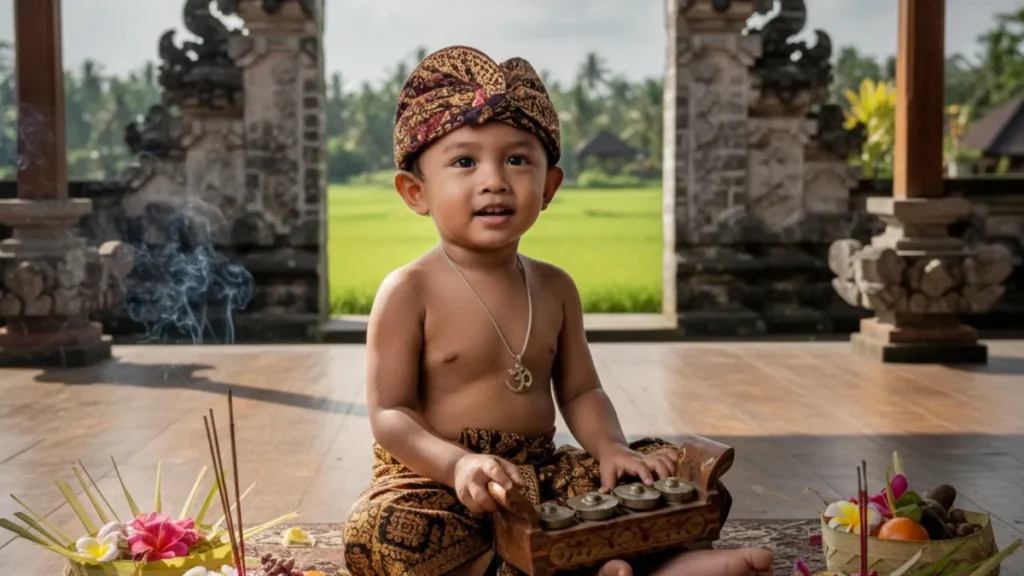
Sudra is by far the group most visitors will encounter, and Sudra names generally follow the birth order system we’ve already covered. There are no special caste names or titles required, so you might meet someone called I Wayan, Ni Made, or I Ketut followed by their personal name.
The I for a man and Ni for a woman indicate gender rather than caste, something we’ll come back to below.
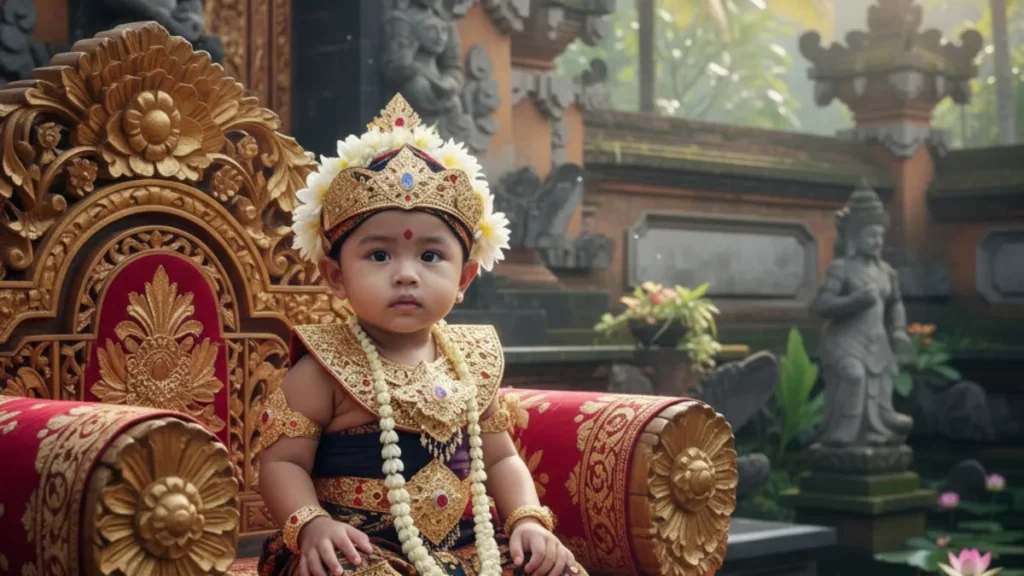
The other three groups have traditionally used titles that can reveal caste and lineage. Brahmana names include Ida Bagus for men and Ida Ayu for women, while the Ksatria caste has names and titles including Anak Agung, Gusti Ngurah, Cokorda and Dewa.
Wesya naming traditions have changed over time. Older titles include Ngakan, Kompyang, Sang and Si, although many are no longer widely used. And as with most things in the Balinese naming system, there are exceptions and regional variations, so you can’t reliably work out someone’s entire family tree just by looking at their name.


Yes. Alongside birth order and caste names, many Balinese people have a personal or given name chosen by their parents. This is the individual part of the name and helps distinguish between all those Wayans, Mades and Ketuts you’ll meet around Bali.
A personal name might have a meaning in Balinese or Sanskrit, reflect something the parents wish for their child, or simply be a name they like. Modern Balinese families sometimes choose international names too, so the personal part of a name doesn’t necessarily sound traditionally Balinese.
Most Balinese names don’t include a family name or surname in the Western sense. That means people from the same family may have completely different personal names rather than sharing one name passed down through generations.
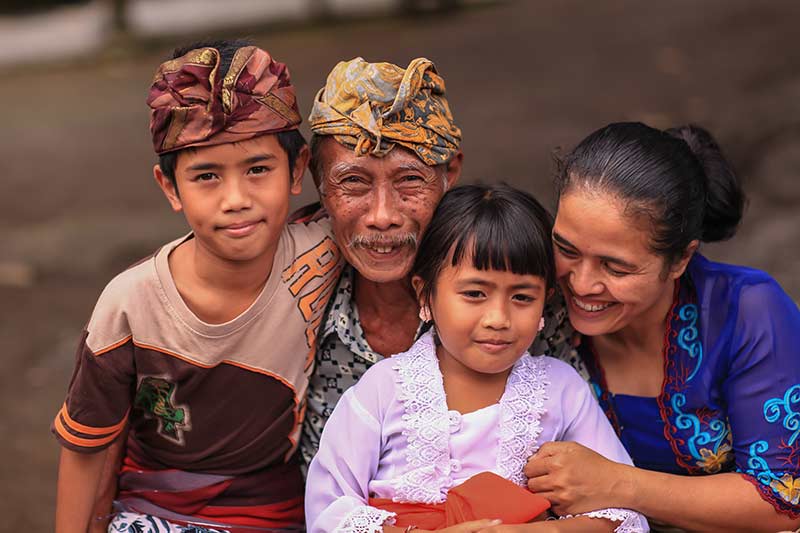
You’ll often see I or Ni at the beginning of a Balinese name. These are gender prefixes, with I traditionally used for men and Ni for women. So, I Wayan tells you the person is male, while Ni Wayan tells you they’re female.
You’ll see these prefixes most commonly among the Sudra caste. Higher caste names can indicate gender differently, such as Ida Bagus for a male Brahmana and Ida Ayu for a female Brahmana.
Like the birth order name, I and Ni aren’t personal names themselves. They’re simply another piece of information built into the naming system.
Put all these elements together, and a Balinese name can tell you quite a lot. Depending on the person, names can indicate gender, order of birth, caste or lineage, followed by a personal name that identifies the individual.
However, traditional Balinese names aren’t a rigid formula. Regional customs and variations in the Balinese language mean naming traditions can differ between families and different parts of Bali. There are differences between the island’s north and south regions too, including which names are used based on birth order. This helps explain why there isn’t always one typical name for each position in the family.
That’s part of what makes the system so interesting. Once you understand what’s behind Balinese names, something that initially looks repetitive starts revealing a little more about Balinese culture and the person you’re talking to.


Wayan is the most common name you’ll hear in Bali because many Balinese families use names based on their birth order, with Wayan traditionally used for a first-born child, and of course, a higher percentage of the Balinese population will be first-born.
Putu and Gede are also commonly used for the first child, depending on family traditions and regional customs.
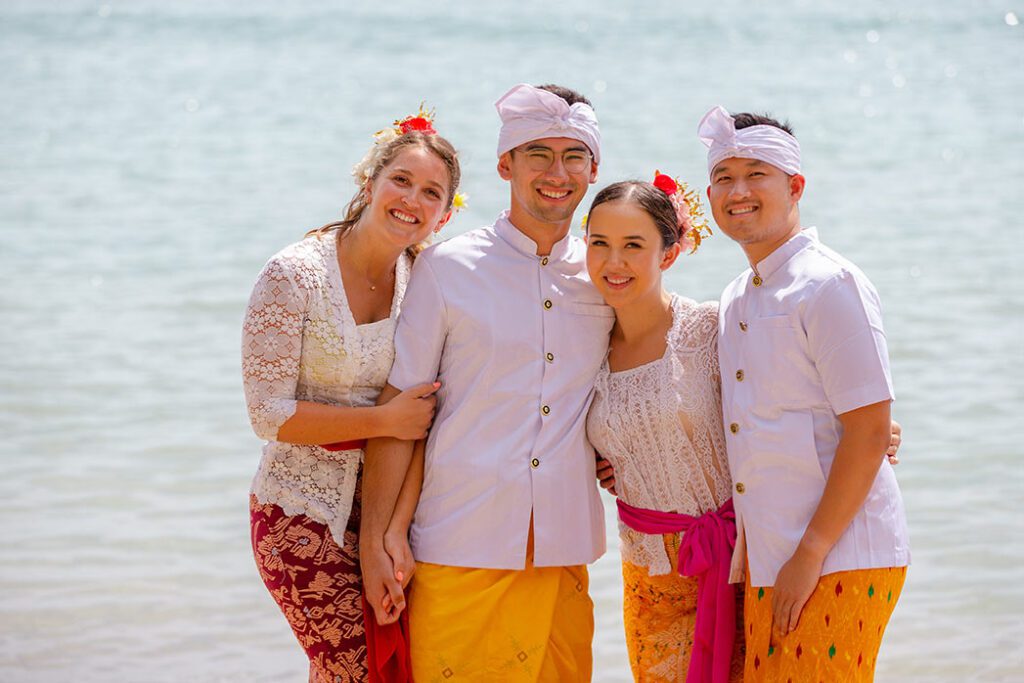
Many birth order names can be used for either a male or female. Gender is often indicated by a prefix instead, with I traditionally used for men and Ni for women. Caste-related names and titles can also differ by gender, such as Ida Bagus and Ida Ayu among the Brahmana caste.
A typical Balinese name can contain several components rather than following the Western pattern of a first name and family name. These can include a gender marker, caste or lineage title, birth order name and an individual personal name.
Not every Balinese name follows exactly the same formula, and modern Balinese families may use different combinations or include international names.
Many Balinese families use birth order names based on whether a child is born first, second, third or fourth. This means thousands of unrelated Balinese people can share names such as Wayan or Ketut without sharing a family name.
The traditional sequence starts again with the fifth child, which creates even more repetition. We’ll explain exactly how that works above.
Balinese names can seem confusing at first, but there’s a fascinating system behind them. Birth order, gender, caste and lineage can all play a part, making names another interesting window into Balinese culture.
Once you understand the basics, you’ll probably start recognising familiar names everywhere during your next visit to Bali.
FINNS Holidays is all about holidays in Bali, and tens of thousands of people visit Bali every year without a single issue. In fact, many

Planning a short Bali itinerary? 5 days may not seem like a lot, but there’s plenty of time to enjoy the beaches of Canggu, temples of Ubud and more.

Looking for the best breakfast Bali has to offer? Discover 24 top cafes for everything from smoothie bowls and coffee to big breakfasts and brunch.

Worried about tomcats? Bali has them, but our guide to understanding these rove beetles covers their toxin, burns, treatment and how to avoid them.
Pay Safely With Us