

Let’s Talk Travel Insurance For Bali: Everything You Need To Know
FINNS Holidays is all about holidays in Bali, and tens of thousands of people visit Bali every year without a single issue. In fact, many

Bali has built a reputation as one of the world’s most popular travel destinations, drawing millions of visitors every year. From its beaches and nightlife to temples and inland escapes, it’s a place that appeals to all kinds of travellers.
Like anywhere, though, it’s natural to wonder about safety before you go. While Bali is generally considered safe, there are a few things worth being aware of, especially if it’s your first time visiting.
In this guide, we’ll break it down, covering common risks, laws, and practical tips so you know what to expect and can enjoy your trip with confidence.


Bali is generally considered a safe place to visit, with millions of travellers arriving each year without any major issues. Most trips are smooth, and the island is well set up for tourism.
That said, like any popular destination, there are a few things worth being aware of. Knowing what to expect makes it easy to avoid common problems and enjoy your time without stress.

While most visits to Bali are fine, there are a few everyday risks that tend to catch travellers out. These aren’t unique to the island, but they’re worth knowing about so you can avoid any unnecessary hassle.
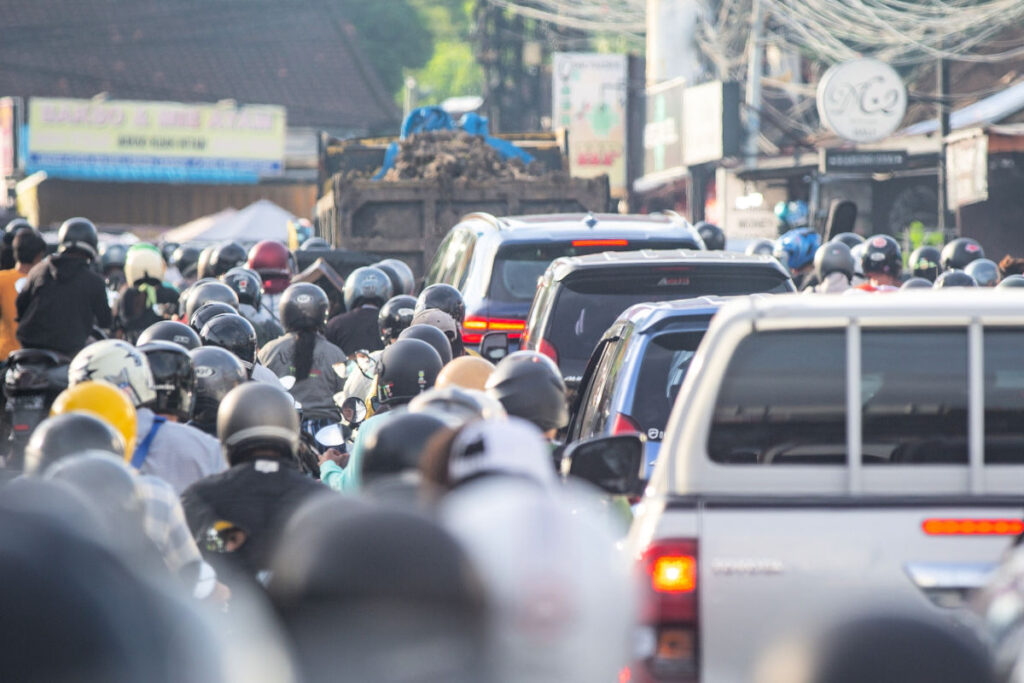
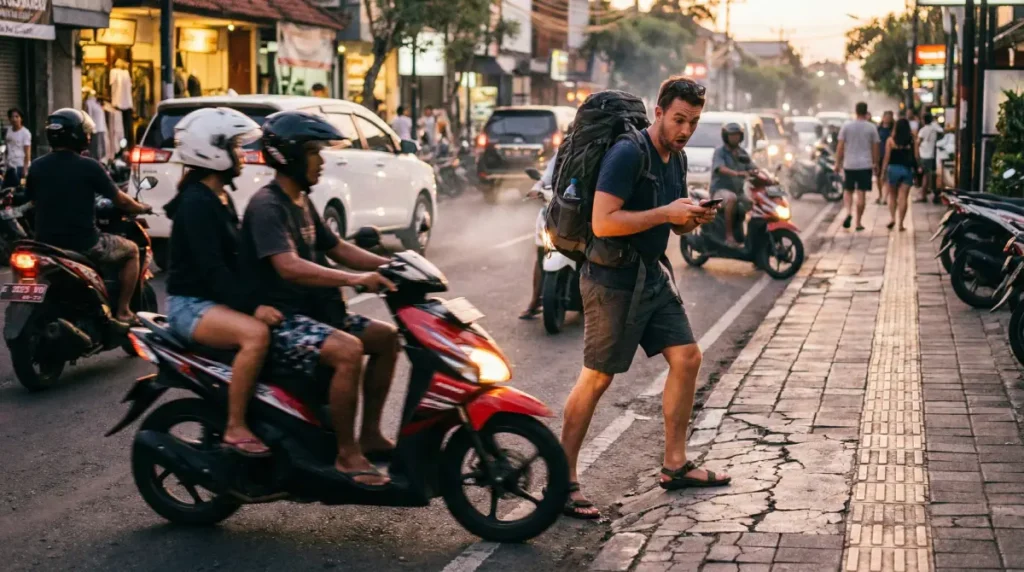
Road safety is one of the main things travellers notice in Bali, especially at first. The roads can feel busy and a bit chaotic, with scooters weaving through traffic and not always much in the way of clear rules or signage.
In popular areas, everything moves together: cars, bikes, vans, and it can feel unpredictable if you’re not used to it. Accidents do happen, particularly with inexperienced riders, and it’s easy to underestimate how different the conditions are compared to back home.
Take extra care when crossing the road, use reputable transport options where possible, like ride-hailing apps or private drivers, and think twice before hiring a motorbike or scooter unless you’re confident in those conditions.

Food poisoning, often referred to as Bali Belly, is something many travellers are aware of before visiting. It typically comes from contaminated food or water, and symptoms can range from mild stomach discomfort to more severe illness.


While it’s common enough to be widely talked about, most cases are short-lived and manageable, especially when travellers are mindful of what they consume. We’ll cover keeping the Bali Belly at bay further on in this guide.
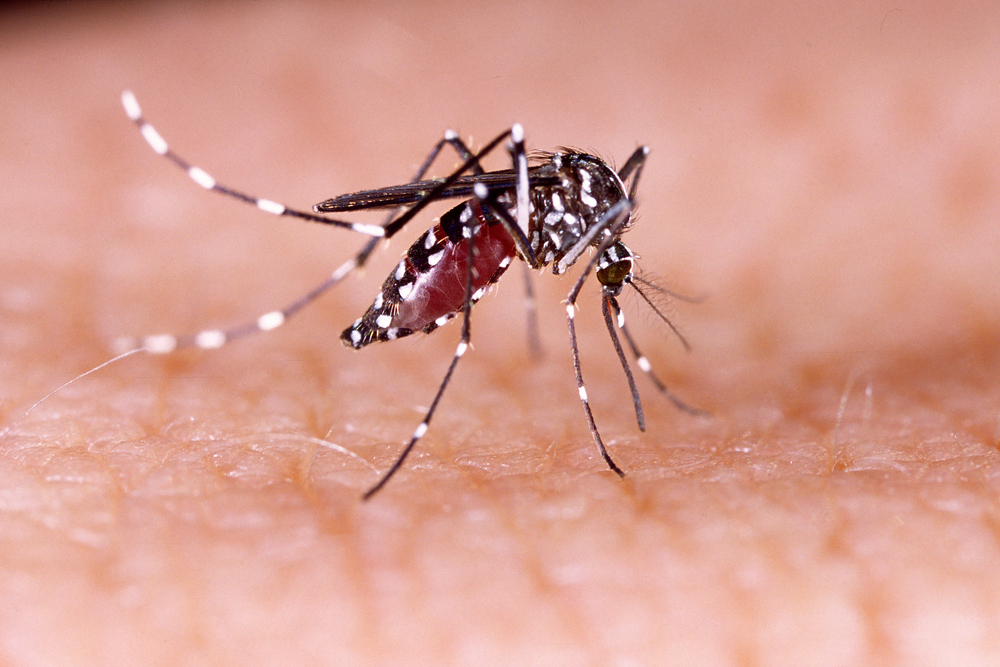
Like many tropical destinations, Bali does have some risk of mosquito-borne illness, including dengue fever. While most travellers don’t experience any issues, it’s something that comes up often enough to be worth being aware of, particularly during the wetter months.
Minor illnesses can also happen when adjusting to a new climate, food, and environment, though these are usually short-lived. Using insect repellent, especially in the evenings, and taking simple precautions can go a long way in avoiding problems.
Wildlife is part of what makes Bali unique, but it can occasionally catch travellers off guard. Stray dogs are common in some areas, and while most are harmless, some can be aggressive, and even worse, some can carry rabies, which is taken seriously across the island.
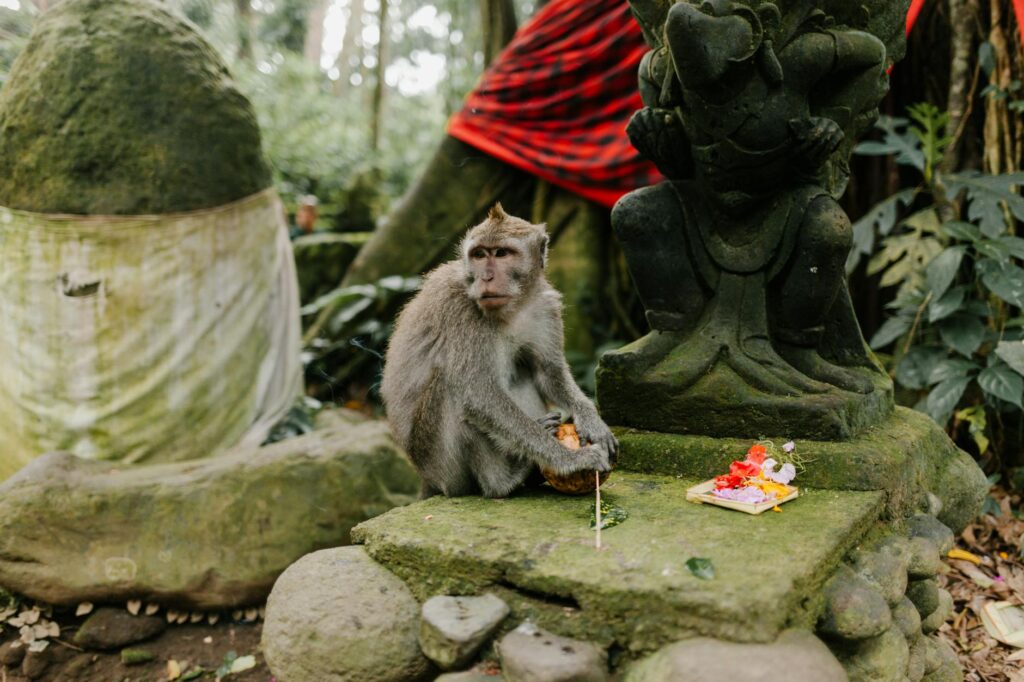
Monkeys are another well-known presence, particularly around temple sites, and are known for being bold around people. Incidents are rare, but bites and scratches can happen if they feel threatened or if food is involved. Keeping a respectful distance is generally enough to avoid any issues.
If you are bitten or scratched by any animal, you must seek medical attention immediately. Rabies is no joke.
There are also snakes and spiders on the island, but most are harmless and rarely spotted, so they’re not something most travellers need to worry about. Harmless reef sharks are common in Bali, but man-eating sharks are rarely spotted, and any sightings are monitored by authorities.
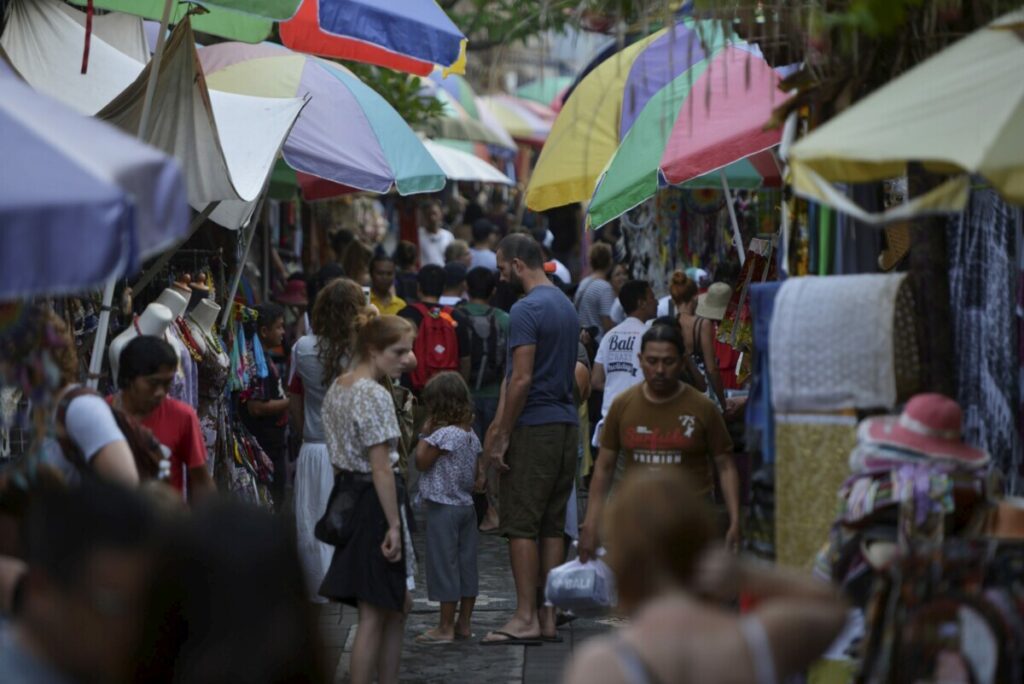
Crime in Bali does happen, but it’s usually on the lower end, with petty crime being the most common issue affecting travellers, whilst violent crime remains rare.
Things like bag snatching, pickpocketing, and phone theft can occur, particularly in busy streets, tourist areas and other crowded settings.
Scams are also something to be aware of, including inflated prices, unofficial guides, and fake villa listings online.
While serious crime is rare, it’s these smaller, opportunistic incidents that tend to catch visitors out, especially if they’re unfamiliar with how things work locally.

Bali has a lively nightlife scene, especially in popular areas, and for the most part, it’s well-managed and enjoyable. However, like many party destinations, there have been reports of drink spiking, as well as issues linked to methanol poisoning from counterfeit alcohol.
These incidents are far from normal, but it has been known and are worth mentioning. Problems are more likely to arise in less regulated venues or when alcohol is sourced from unreliable places, rather than from established bars or venues.


We’ll cover keeping safe later on in the article.
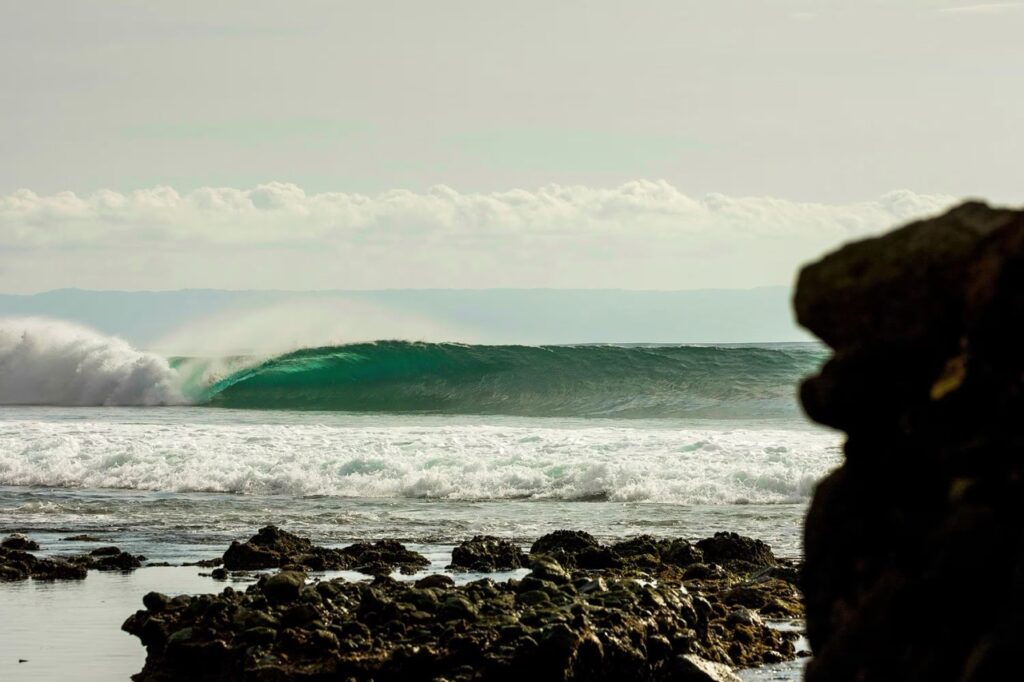
Bali’s coastline is a big part of its appeal, but ocean conditions can be unpredictable in some areas. Strong currents and rip tides are common on certain beaches, particularly on the western side of the island, and conditions can change quickly depending on the weather and tides.
Boats, jet skis, and other water activities are also common in popular beach areas, which can make some spots busier than they first appear. While most people enjoy the water without issue, travellers can underestimate it, especially if they’re not familiar with local conditions.
If you’re engaging in diving or watersports, be sure to use a reputable company, and make sure the correct safety equipment is being used.
Sudden changes in weather and the tide can pull people unexpectedly out to sea, and tidal changes can trap people in remote areas of coastline, so always be aware of your surroundings. Unless you’re taking part in night dicing or even spotlight surfing, the sea is generally best avoided at night.

Bali sits in an active region, so natural events like earthquakes and volcanic activity can occur from time to time. Mount Agung is the island’s most well-known active volcano, and when activity increases, exclusion zones are put in place and closely monitored, sometimes affecting nearby areas or travel plans.
Heavy rain during the wet season can also lead to flash flooding in some areas, particularly in lower-lying or built-up parts of the island.
Conditions can change quickly during periods of severe weather, which can occasionally cause delays or temporary disruptions.
Local authorities monitor the geological and meteorological situations daily, and any warnings are relayed immediately to the local media.

Serious security incidents are extremely rare in Bali, but like any major tourist destination, they’re not impossible. Indonesian authorities continue to monitor the situation constantly, particularly around crowded areas, well-known locations, and government buildings.
For most travellers, this isn’t something that affects their trip, and day-to-day safety remains high. It’s simply a case of staying aware of your surroundings and following any guidance if needed.
Staying healthy in Bali is usually straightforward, especially with a few basic precautions. Most issues travellers run into are minor and easy to manage, particularly when it comes to food, water, and general hygiene.
With the right approach, it’s easy to avoid common problems and enjoy your time without any disruption. Food and water are where most travellers need to be a bit more mindful, so it’s worth understanding how things work before you arrive.

Food safety in Bali can vary depending on where you eat. Established restaurants and busy venues tend to follow higher standards, while smaller or less regulated places can be more inconsistent.


Tap water in Bali isn’t considered safe to drink, so bottled water is widely used instead. Ice is generally safe in reputable places, but standards can differ elsewhere, which is why many travellers tend to stick to well-reviewed spots.

Avoiding Bali Belly usually comes down to a few simple habits around food, water, and general hygiene. Washing your hands regularly, carrying hand sanitiser, and being mindful of where and what you eat can all make a difference. Sticking to freshly prepared meals and choosing busy, reputable places is often the safest bet.
It’s also not always just about contaminated food. Things like too much sun, alcohol, or suddenly eating a lot of spicy food can upset your stomach as well, especially if your body isn’t used to it.
Most cases won’t lead to serious illness; instead, they’re mild and pass within a couple of days. Staying hydrated and taking it easy can help manage symptoms. If things don’t improve or if it starts to get worse, it’s worth seeking medical attention.
Understanding laws and customs is an important part of travelling in Bali. Most visitors won’t run into any issues, but there are a few areas where the rules are strict and taken seriously.
Being aware of how things work can help you avoid unnecessary problems and show respect for the island and its culture.
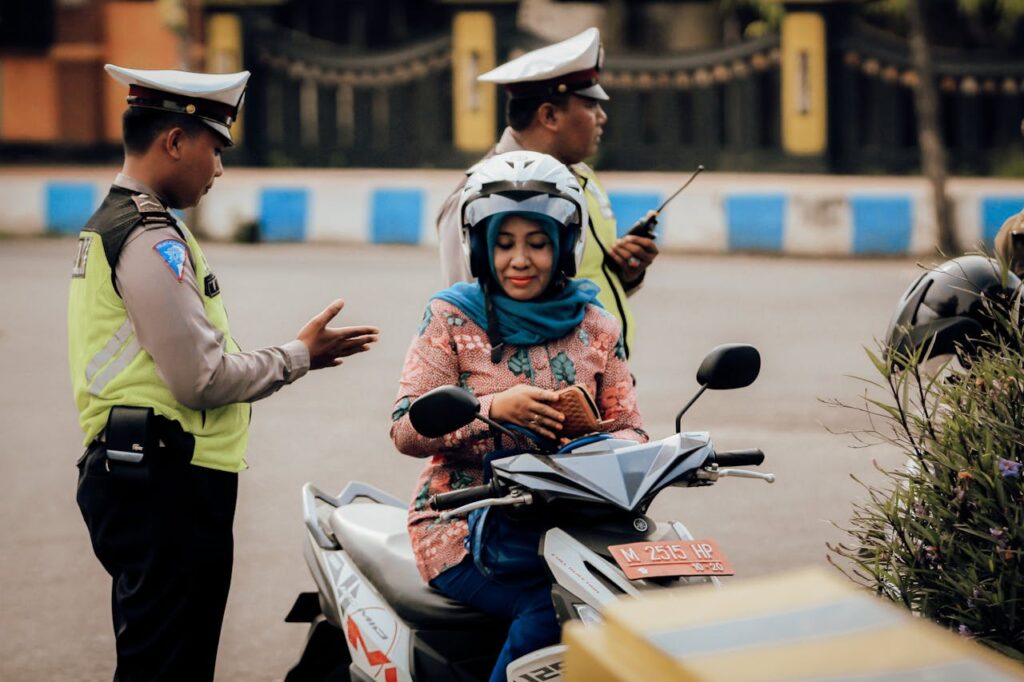
Laws in Bali are based on Indonesian national law and apply to all foreign nationals visiting the island. These cover areas such as public behaviour, driving, and criminal offences, and are enforced across the country.
Alongside national law, Bali also has its own local laws and expectations, particularly around cultural practices and day-to-day behaviour. These aren’t always written in the same way, but they are still taken seriously.

Indonesia has very strict drug laws, and offences are taken extremely seriously. Penalties can include long prison sentences and, in some cases, the death penalty.
This applies regardless of quantity, and laws are enforced consistently across the country. Be warned, your home country can do little to nothing to help you, should you find yourself on the wrong side of the law.
If you’re looking to indulge in drugs during your holiday, then Indonesia isn’t the country for you.
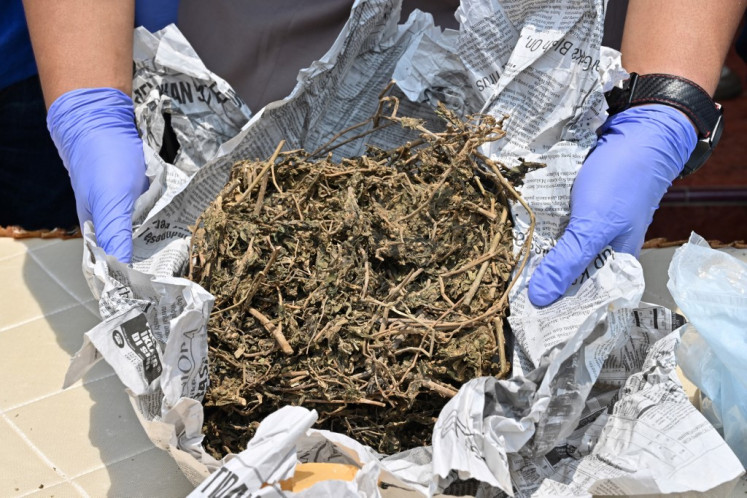
Medicinal cannabis is not legally recognised in Indonesia, even if it’s prescribed elsewhere. Travellers bringing it into Bali can face the same penalties as other drug offences, which often catches people out.
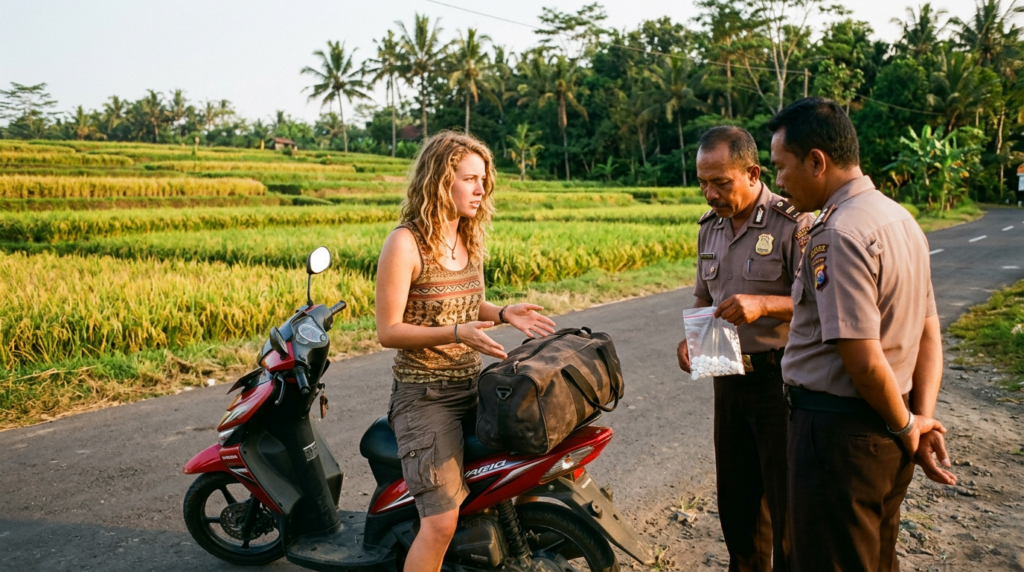
Driving laws in Bali follow Indonesian regulations, and they apply to all visitors. An international driving permit is required to legally drive or ride on the island, and not having one can lead to fines or issues if something goes wrong.


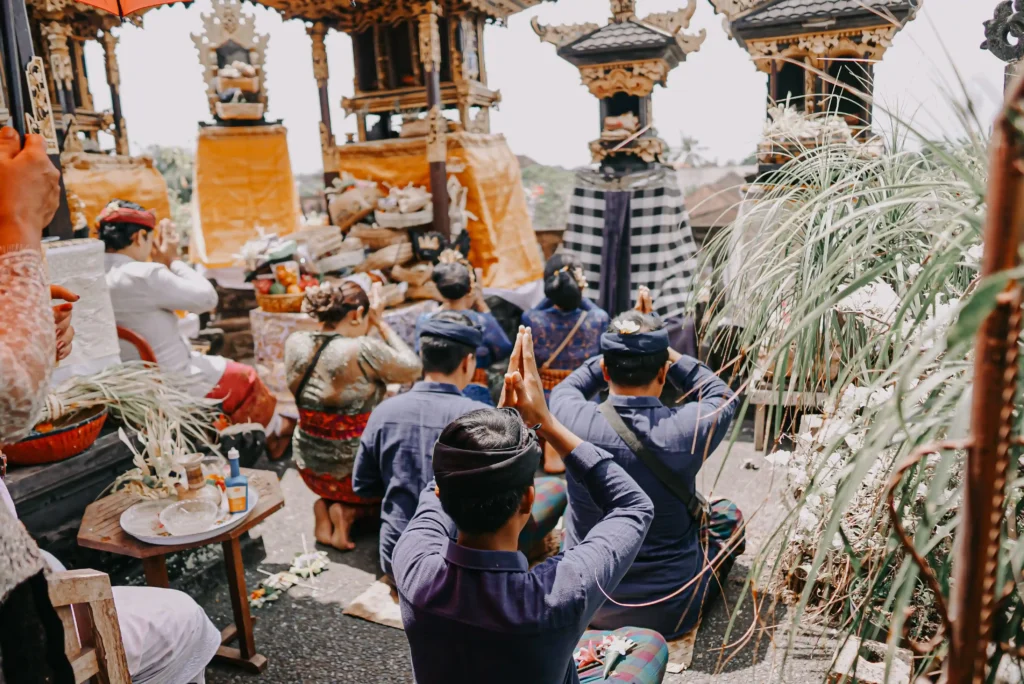
Bali has a strong cultural and religious identity, and there are expectations around behaviour, especially at temples and during ceremonies. Nyepi, the Balinese Day of Silence, is one of the best-known examples in which normal activity across the island comes to a complete stop.
Most customs are simple to follow, but they are taken seriously and form an important part of daily life.
Open criticism of the Indonesian government, particularly in public or online, can attract attention from authorities.
While most travellers won’t encounter any issues, it’s generally advised to be mindful when discussing sensitive topics, especially in public settings or on social media.
Most trips to Bali are straightforward, but a few practical details can make a big difference once you’re there. From handling money to choosing where to stay, small decisions can help you avoid common issues and keep things running smoothly.
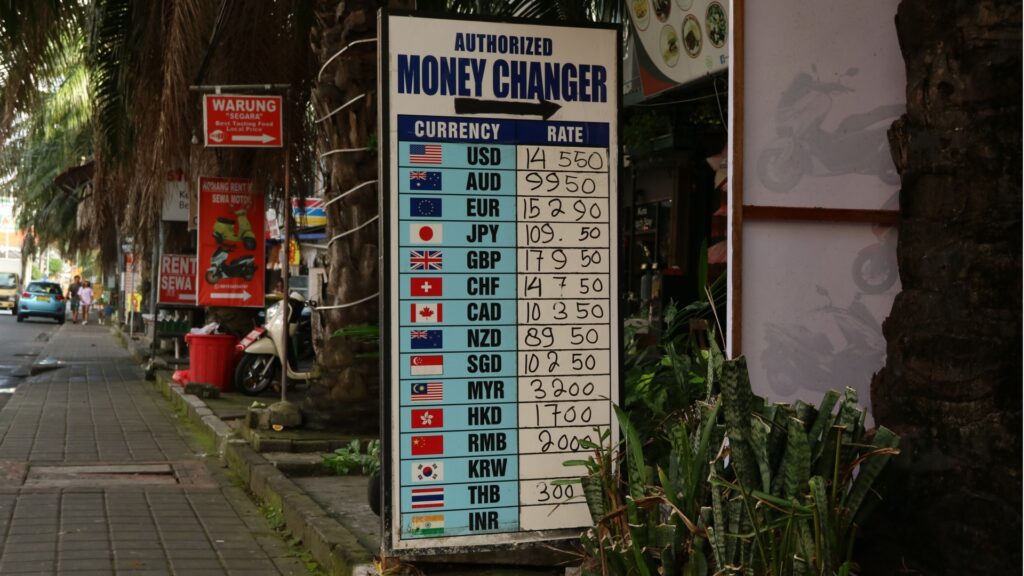
Currency exchange is something most travellers deal with early on, and it’s an area where people can get caught out. While there are plenty of legitimate money changers, some offer rates that seem too good to be true, often with hidden fees or short-changing.
It’s also easy to lose track of value when you first exchange money, with so many zeros in the local currency. Sticking to reputable exchange services or withdrawing cash from trusted machines tends to be the safest option.

Bali has a huge range of accommodation, from budget stays to luxury villas, and most are safe and well-managed. Issues tend to come from fake villa listings or unreliable booking sources rather than the properties themselves.
Booking through reputable companies and checking recent reviews can help avoid problems. Once you’re there, simple things like using in-room safes and being mindful of your belongings in hotel rooms are usually enough to keep everything secure.

Alcohol is widely available in Bali, especially in tourist areas, and most venues are safe and well-managed. Issues tend to come from counterfeit alcohol or poorly made local spirits, which have been linked to methanol poisoning in some cases.
This is more likely to be a risk in less reputable venues or where drinks are unusually cheap. If you think you’ve been spiked or consumed methanol, seek urgent medical attention.
In reality, the risks here are extremely small
Bali is generally considered a safe destination for women and solo travellers, and many visit without any issues. As with any destination, a bit of extra awareness can make a difference, particularly when it comes to transport, accommodation, and nightlife.
This includes being mindful in social settings, avoiding accepting drinks from strangers, and exercising caution in quieter or more rural areas. Choosing reputable transport options and well-reviewed accommodation can help make the experience more comfortable and straightforward.


While sexual assault is rare, like everywhere, it can happen. If you feel unsafe, try to leave the situation immediately and find friends, hotel staff, or even the nearest police station.

Travel insurance is something many travellers consider before visiting Bali, and it can be useful if things don’t go to plan. This can include covering medical treatment, lost belongings, or unexpected changes to your trip.
In more serious situations, such as illness or injury, costs can add up quickly, particularly if medical evacuation is required. Having the right cover in place can help avoid unnecessary stress and make it easier to deal with any issues that come up.
It’s worth noting that generally insurance only covers if you take at least some degree of care about yourself. Being heavily intoxicated and operating vehicles without a licence are just two common examples where insurance may be easily voided.
Bali actually has fairly good healthcare by Southeast Asian tourist destination standards, especially around popular and built-up areas like Denpasar, Kuta, Seminyak, Sanur, Canggu and Ubud, where it’s easy to find both local and international standard hospitals and clinics.
However, one thing not to be overlooked is how situations can become more complicated once you move away from these areas. Other popular places like Nusa Penida and the Gili Islands have far more limited medical facilities; likewise, when you get to remote beaches, volcano trekking routes, etc, on the main island.
In some cases, serious injury or illness may require long boat transfers, ambulance journeys, or evacuation to find proper treatment. This becomes especially important when it comes to things like scooter accidents, diving incidents, broken bones, severe dehydration, infections, or tropical illnesses, where quick access to medical care can matter a lot.
Of course, unless you’re willing to pay a lot of money, even the best medical care can be useless without the correct travel insurance.
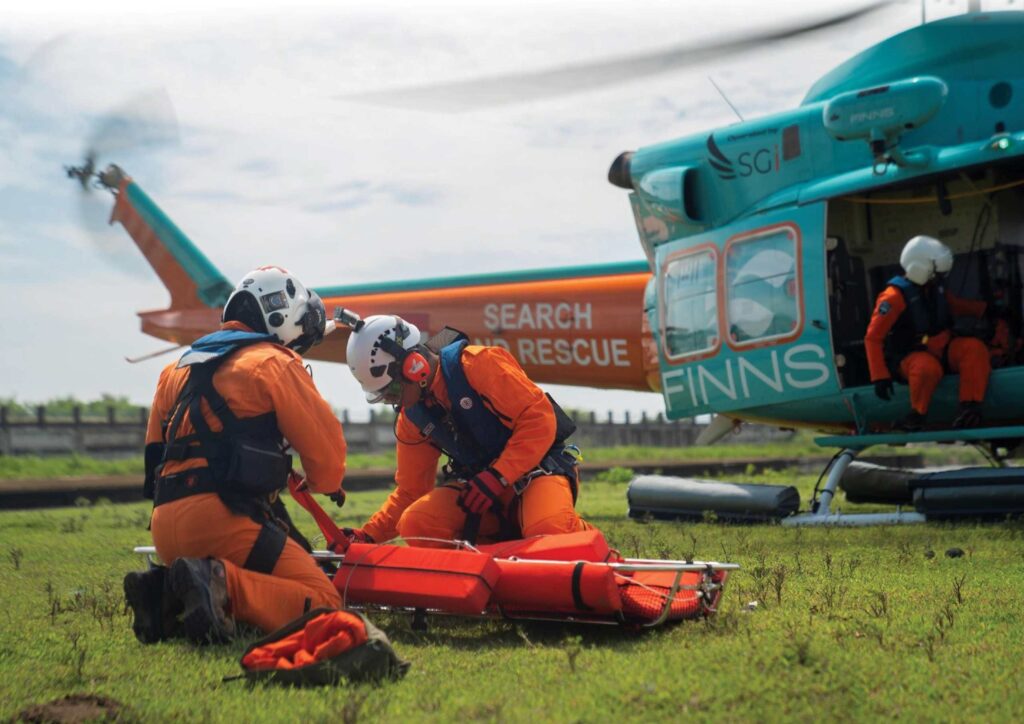
Bali has also recently seen improvements in emergency response infrastructure, including the launch of the FINNS Search and Rescue helicopter operating across Bali and surrounding islands. This new service is especially useful in more remote coastal areas, offshore islands, diving locations, and mountain regions where access can otherwise be difficult.
By the end of the first quarter of 2026, not long after its launch, the service had already potentially helped save several lives through emergency response operations and medical evacuations.
Indonesia’s main emergency number is 112, which can also be used for medical emergencies and ambulance assistance in many areas.
Other important emergency numbers include:


In reality, many travellers also rely on hotel staff, drivers, dive centres, or local contacts to help coordinate emergencies, transport, or hospital visits, especially in more remote parts of Indonesia.

So, is Bali safe? For the vast majority of travellers, the answer is yes.
It’s a well-established tourist destination that welcomes millions of visitors each year, and most trips are straightforward and enjoyable.
While there are a few risks to be aware of, they’re generally the same types of things you’d find in many popular destinations around the world.
From road conditions and food safety to local laws and everyday awareness, a bit of preparation goes a long way.
The areas around Ngurah Rai International Airport, including parts of Kuta, Tuban, and Jimbaran, are generally safe and well set up for travellers.
These are busy, developed areas with plenty of hotels, restaurants, and transport options. You’ll find no shortage of foreign tourists in this area.
Bali is often considered one of the safest and most accessible islands in eastern Indonesia, particularly for first-time visitors. It has well-developed infrastructure, a strong tourism industry, and a wide range of accommodation and services.
While other islands can also be safe to visit, they may be more remote or less developed, which can make travel a bit more challenging compared to Bali.
Bali remains one of the most popular travel destinations in the world for many reasons, and safety is one of them.
For the vast majority of visitors, trips here are smooth, enjoyable, and completely trouble-free.
Like anywhere, there are a few risks to be aware of, but most of them are easy to avoid with a bit of common sense. Staying aware of your surroundings, respecting the laws and customs, and making simple choices like using reputable services can go a long way.
Bali is not just safe to visit, but an incredibly rewarding place to spend time.
FINNS Holidays is all about holidays in Bali, and tens of thousands of people visit Bali every year without a single issue. In fact, many

Planning a short Bali itinerary? 5 days may not seem like a lot, but there’s plenty of time to enjoy the beaches of Canggu, temples of Ubud and more.

Looking for the best breakfast Bali has to offer? Discover 24 top cafes for everything from smoothie bowls and coffee to big breakfasts and brunch.

Worried about tomcats? Bali has them, but our guide to understanding these rove beetles covers their toxin, burns, treatment and how to avoid them.
Pay Safely With Us