

Let’s Talk Travel Insurance For Bali: Everything You Need To Know
FINNS Holidays is all about holidays in Bali, and tens of thousands of people visit Bali every year without a single issue. In fact, many
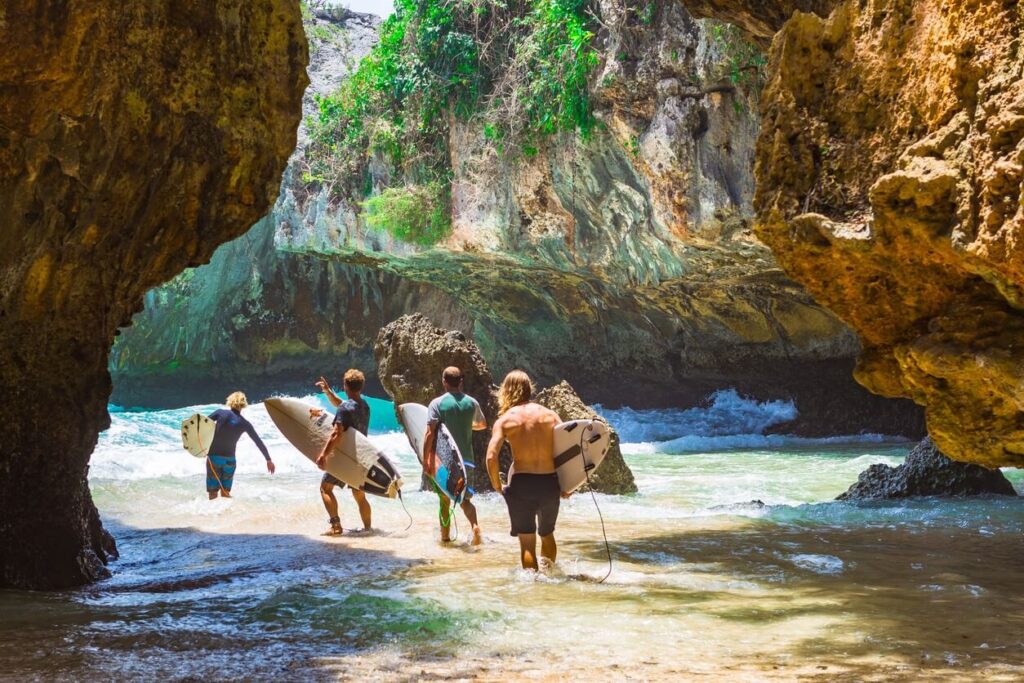
Uluwatu has been at the heart of Bali’s surf scene for decades, attracting surfers from around the world with its powerful waves, spectacular cliffs and some of the best reef surfing on the island.
Sitting on the southwestern tip of the Bukit Peninsula and facing out across the Indian Ocean, Uluwatu picks up plenty of swell throughout the year, making it one of the most popular surfing spots in Bali.
Conditions can get seriously big, but you don’t need to be chasing double overhead waves to enjoy surfing in Uluwatu, with plenty of other spots dotted around the peninsula.
In this guide to surfing these world-renowned waves, we’ll take a look at the famous Uluwatu reef, the best surf spots near Uluwatu, when to visit, where to find lessons and everything else you need to know before getting in the water.
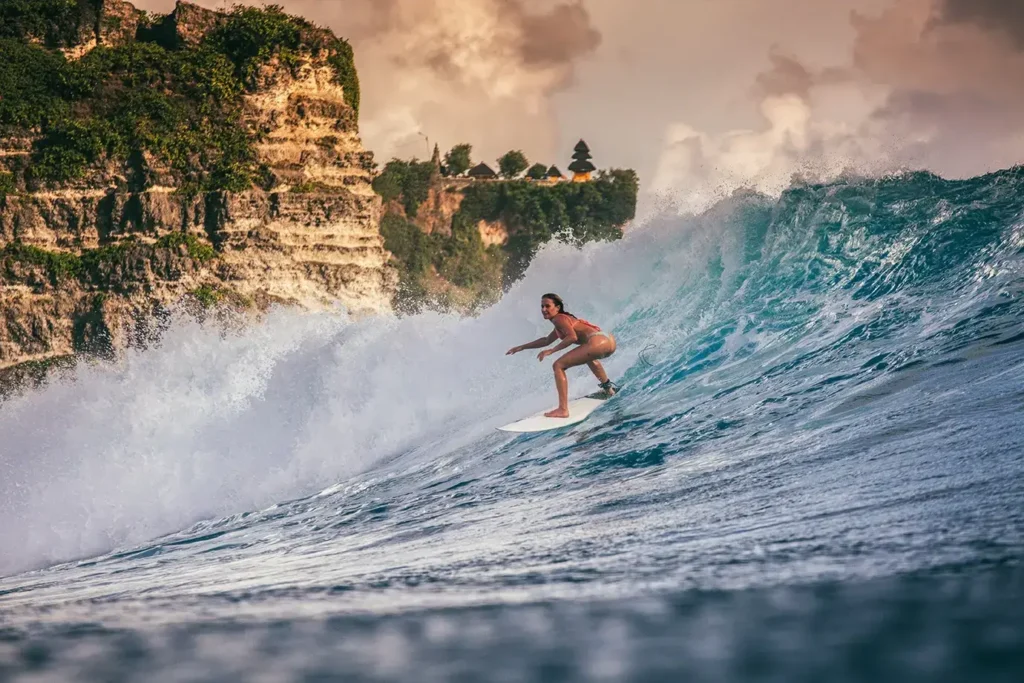
Uluwatu has been one of Bali’s most famous surf destinations since the 1970s, when travelling surfers first discovered the waves breaking beneath its dramatic limestone cliffs. Today, surfers travel from around the world for the powerful waves, consistent swell and spectacular setting on the southwestern tip of the Bukit Peninsula.
Its position facing the Indian Ocean means Uluwatu picks up plenty of swell, particularly during Bali’s dry season, while the reefs along the coastline create some seriously impressive waves when the conditions are right.
There’s also an incredible concentration of world-class surf in the Uluwatu area. Padang Padang, Bingin, Impossibles and several other famous spots are all found along this relatively short stretch of coastline, giving those with more experience plenty of choice.
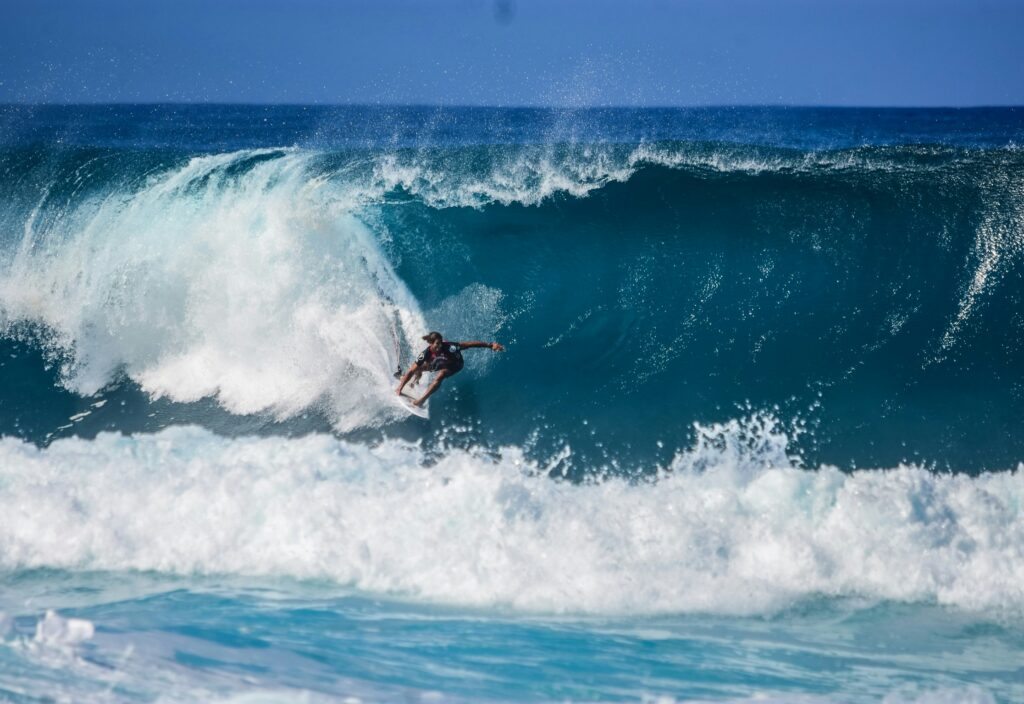
The best time to surf here is during Bali’s dry season, which runs from around April to October. This is when consistent swell from the Indian Ocean combines with southeast trade winds to produce the clean offshore conditions Uluwatu is famous for.
June to August generally brings the biggest swells and some of the best conditions for advanced surfers, but it also means busy line-ups. April, May, September and October can be a great compromise, with plenty of quality surf and generally smaller crowds.


You can still surf during the wet season from November to March, but conditions are less reliable. Westerly winds can affect the west-facing reefs, although calmer mornings can still produce some excellent sessions.
Tides are just as important as the time of year. Different sections of the reef work better at different stages of the tide, so always check the local swell, wind and tide before deciding where and when to paddle out.
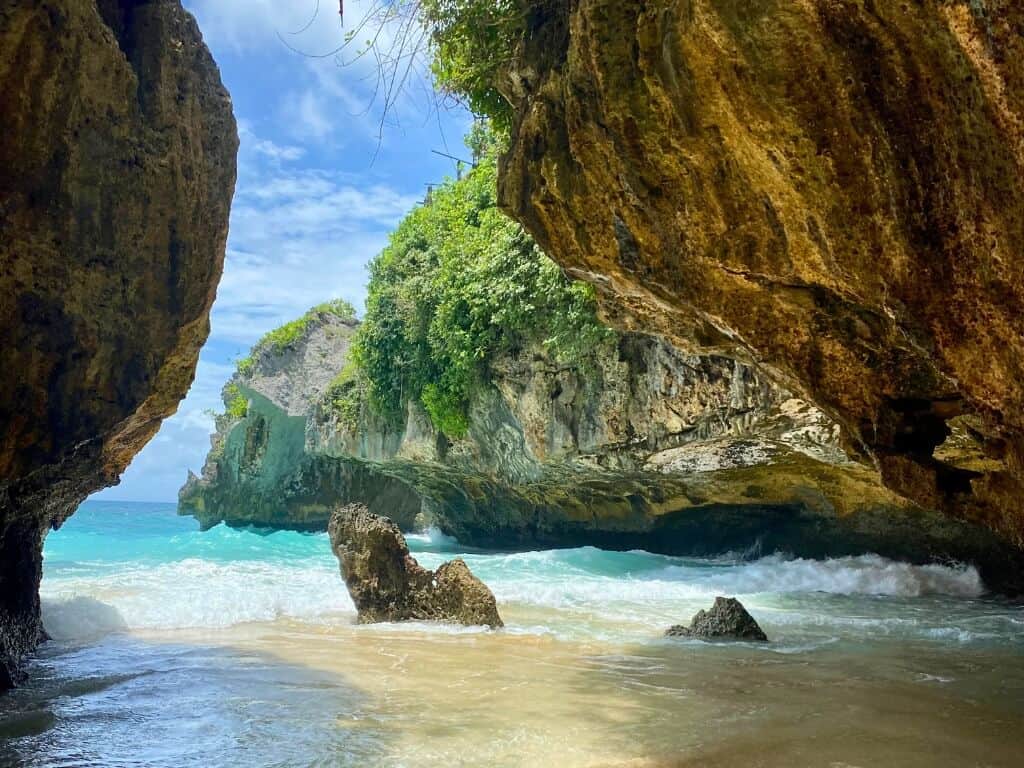
The main surf break sits beneath the towering Uluwatu cliffs around Suluban Beach. The naming can be a little confusing, as Suluban Beach and Uluwatu Beach are essentially the same place, while you’ll also often hear the area referred to as Blue Point Beach.
Surfers reach the water through the famous cave at the bottom of the stairs. What looks like one huge stretch of reef is actually divided into several distinct sections, each producing a different wave depending on the conditions.
From fast barrels to huge walls of water on a big swell, here’s what to expect from the five main sections of the Uluwatu reef.
The Peak is the most consistent section of the Uluwatu reef and sits close to the cave entrance at Suluban Beach. It works across a range of swell sizes, producing powerful left-hand waves with steep take-offs and plenty of opportunities for barrels when conditions line up.
The Peak works across different stages of the tide, although a higher tide puts more water over the reef and makes conditions a little more forgiving. At lower tides, the shallow reef leaves considerably less room for error.
Racetrack lives up to its name, producing long, fast left-hand waves that race along the reef towards the cave. When everything lines up, rides can stretch for hundreds of metres, with fast walls and barrel sections making it one of the most exciting waves at Uluwatu.
Racetrack works particularly well around mid tide and can also fire as the tide drops, although bigger swell at low tide can make Racetrack particularly unforgiving.
Temples sits further along the reef and takes its name from the famous Uluwatu Temple on the cliffs above. It picks up plenty of swell and can produce powerful, fast left-hand waves, often with fewer surfers than The Peak and Racetrack.
The trade-off is the long paddle required to reach it. Temples tends to work best around mid to high tide on smaller and medium swells and is generally better suited to the more experienced.
Bombie is the big-wave section of the main Uluwatu reef and only really starts showing what it can do when a big swell arrives. Breaking further out from the cliff, it can handle enormous waves and has become one of Bali’s best-known spots for serious big-wave surfing.
This is expert territory. The combination of huge waves, strong currents and a long paddle makes Bombie dangerous when it’s working, and it’s certainly not somewhere to test your limits.
Outside Corner comes alive when the swell gets bigger, producing huge, open-faced left-hand waves that attract some of the best surfers in the Uluwatu area. It generally needs around double overhead conditions before it really begins to work and can hold considerably more size.
For many sessions, mid tide is best, although the ideal timing depends heavily on wave size and direction.


The main Uluwatu reef might get much of the attention, but it’s far from the only place to catch a wave in this corner of Bali.
The coastline around the Bukit Peninsula is packed with excellent surfing spots, from the famous barrels at Padang Padang and Bingin to more forgiving waves at Dreamland and Padang Padang Right.
Here are some of the best spots to check out while you’re in the Uluwatu area.
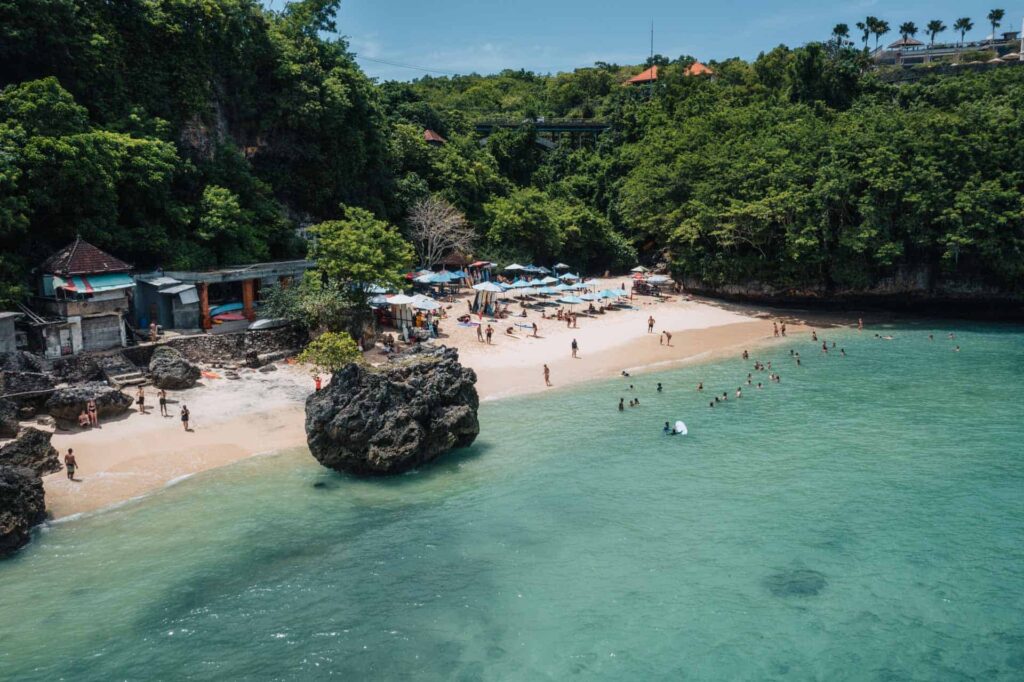
Home to one of Bali’s most famous surf spots, with a powerful left-hander breaking over shallow reef. When conditions line up, it produces fast, hollow barrels that attract experienced surfers from around the world, but it’s definitely not recommended for beginners.
Just along the reef, Padang Padang Right offers a much gentler wave and is a popular surfing spot for beginners and intermediate surfers. Conditions still matter, but it’s a far more forgiving place to build your surfing experience than the famous left.
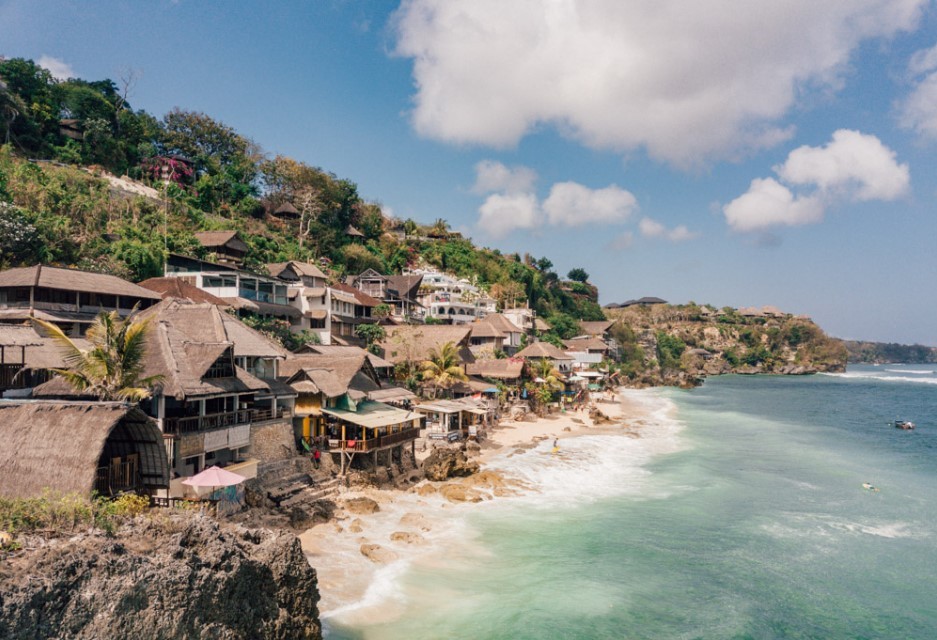
Bingin is another favourite on the Bukit Peninsula, known for its fast, hollow left breaking over a sharp reef. When the swell and tide line up, the wave can produce excellent barrels, although the take-off zone is relatively small and the line-up can get crowded.
The beach sits below the cliffs, with plenty of accommodation, cafes and surf culture within walking distance. Like Padang, the main wave is best left to experienced surfers when conditions get bigger.
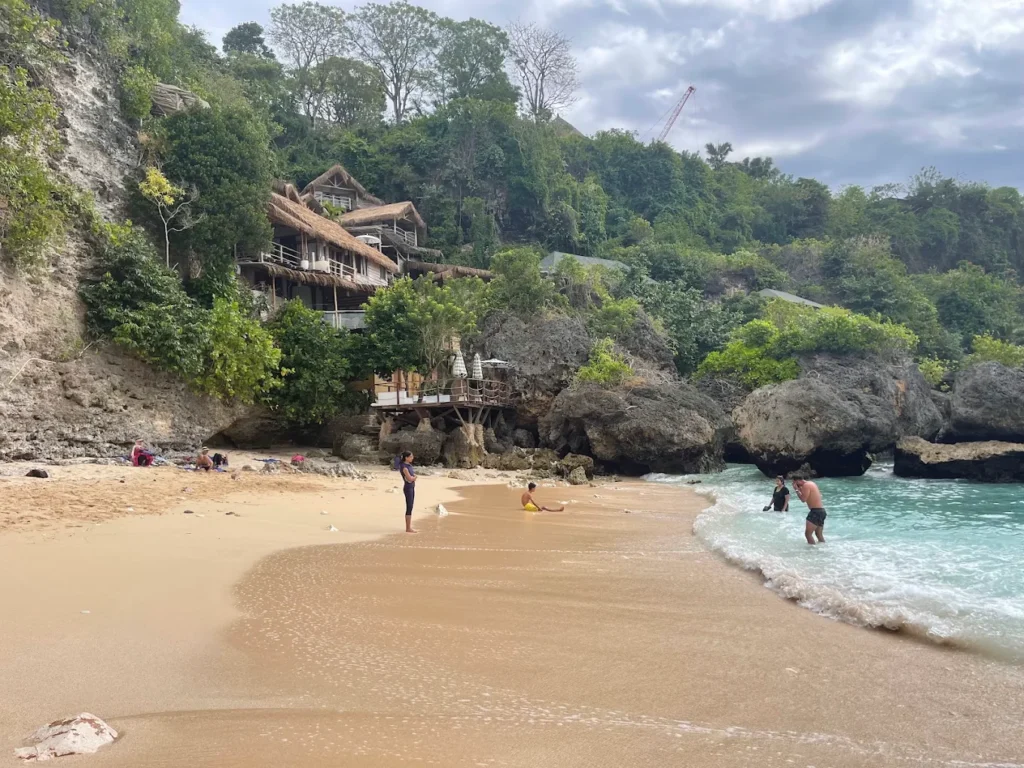
Stretching along the reef between Bingin and Padang Padang, Impossibles gets its name from the difficulty surfers once had reaching the wave rather than because it’s impossible to surf. It’s known for long, fast lefts, with several different take-off points.
The long walls can be seriously rippable on the right day, although connecting the different sections isn’t always easy. The paddle and reef make Impossibles better suited to confident intermediate and advanced surfers.
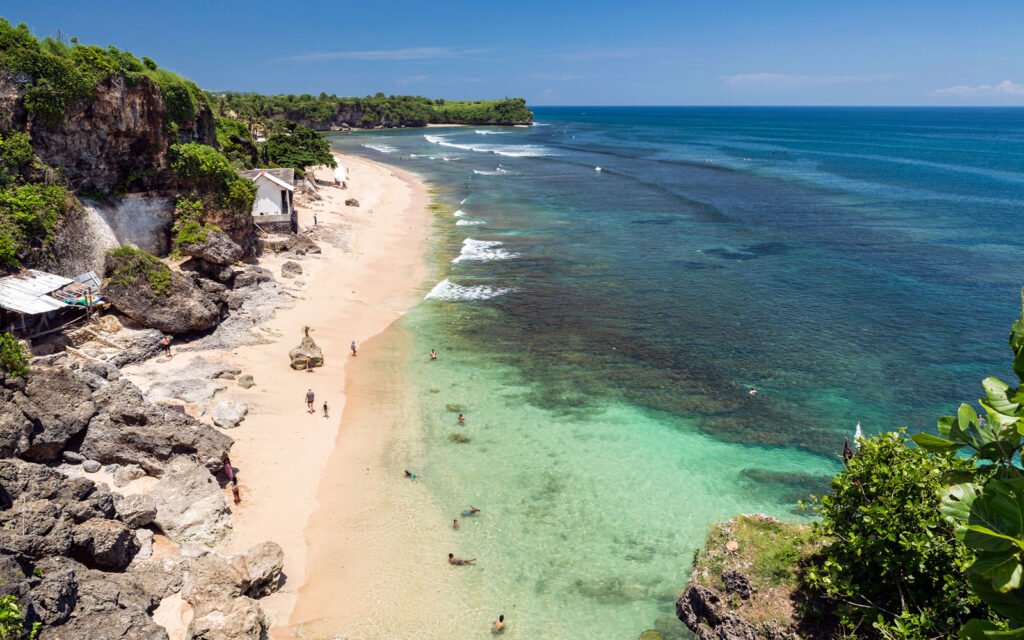
Balangan Beach sits beneath a line of limestone cliffs and offers another long left-hand reef wave. It can produce lengthy rides when the conditions come together, with different sections working as the swell and tide change.


There’s a car park above the beach followed by a short walk down to the sand, making access considerably easier than at some Uluwatu surf spots. The wave can suit intermediate surfers on smaller days, but larger swells and lower tides demand more experience.
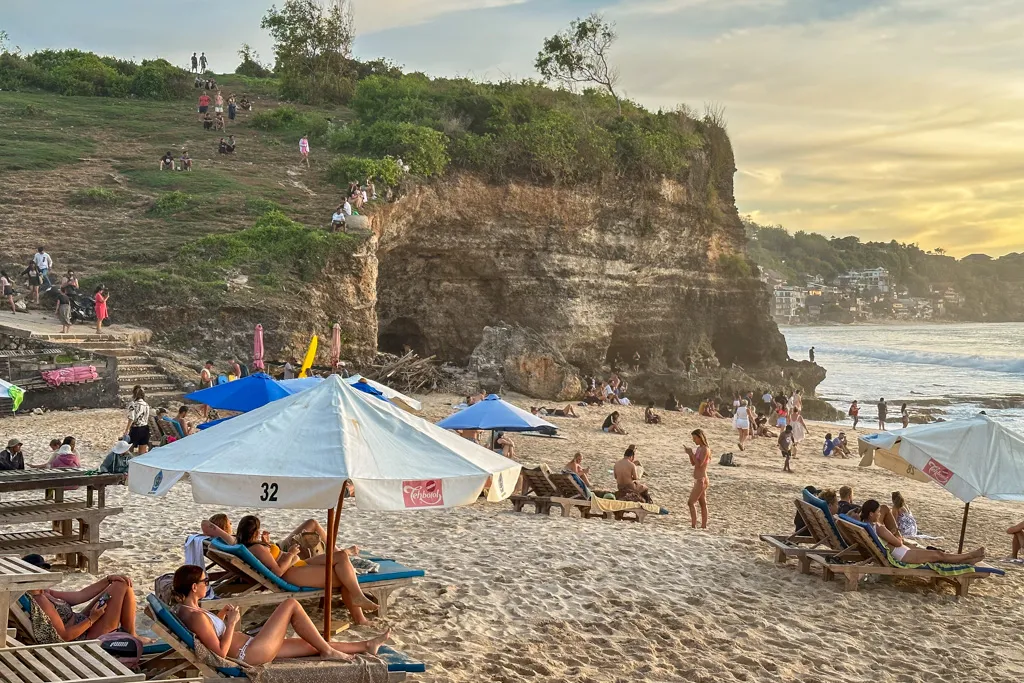
Dreamland is one of the more accessible beaches in Uluwatu, with waves breaking over a mixture of sand and reef. The conditions can vary considerably, but smaller days can offer a more manageable option for less experienced surfers than many of the shallow reef waves nearby.
When conditions get bigger, Dreamland becomes much more powerful and experienced surfers will find plenty to enjoy. Its relatively easy beach access also makes it a convenient place to check when exploring the surf breaks near Uluwatu.
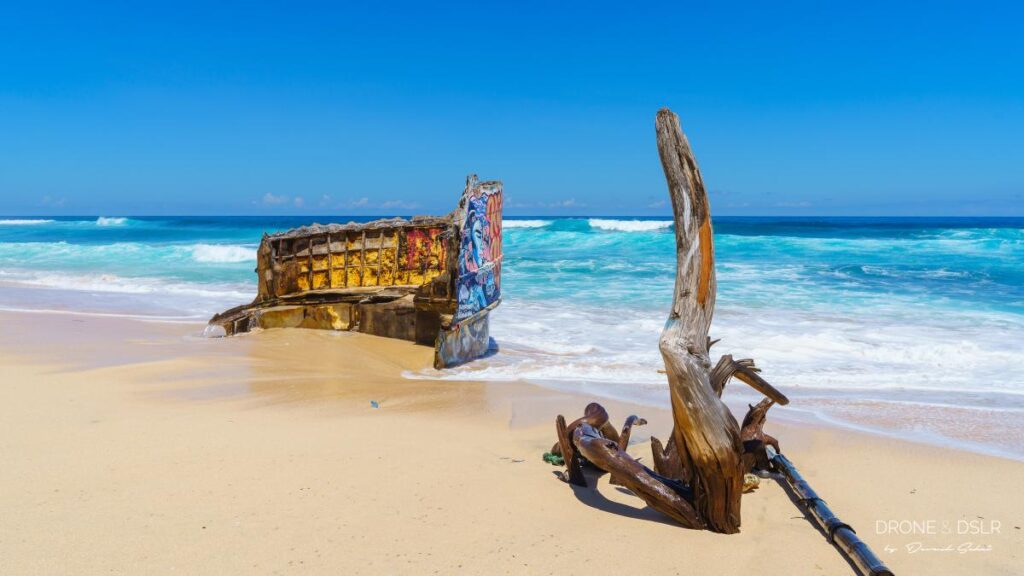
Nyang Nyang Beach feels considerably more remote than most of the spots along this stretch of the Bukit. The exposed coastline is subject to powerful waves that can be challenging even for advanced surfers.
Reaching the beach also takes more effort than many other spots, with the cliffs and long approach helping keep crowds relatively low. It’s best tackled by confident surfers who understand the conditions rather than anyone simply looking for a quiet place to learn.


Uluwatu has plenty of schools for anyone who wants lessons or some local guidance, but several also offer accommodation and a ready-made social scene. You can spend your days in the water, meet other travellers back at the accommodation, and join organised activities, meals and trips between sessions.
They range from beginner-friendly stays to options for more experienced surfers looking to improve their technique or explore different spots around the peninsula.
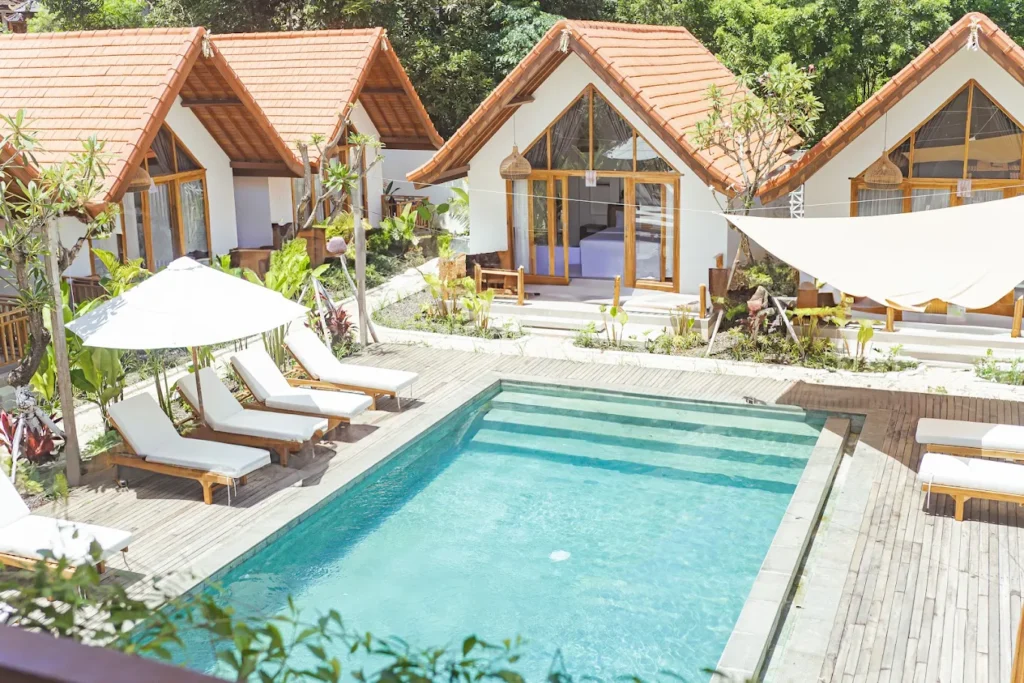
Cari offers several different programmes depending on your ability, with accommodation and coaching available for everyone from complete beginners to advanced surfers. Its lesson packages include two sessions a day, equipment rental, video analysis and surf theory, while the intensive programme adds skill assessments, strength training and more detailed daily analysis.
Accommodation ranges from rooms and studios around the central swimming pool to separate CARI Surf Villas with private pools, giving you a choice between staying at the main social hub or having more space and privacy nearby. CARI is also highly rated by previous guests, particularly for its accommodation, facilities and staff.
There’s plenty going on between sessions too. Depending on the length of your stay, packages can include yoga, surf family dinners, BBQs, wellness treatments and gym access. It’s a good option if you want a structured week in the water without sacrificing the social side of staying with other surfers.
Where To Find It: Jl. Umpang Sari, Pecatu, Kec. Kuta Sel., Kabupaten Badung, Bali 80361, Indonesia
Online: Cari Surf
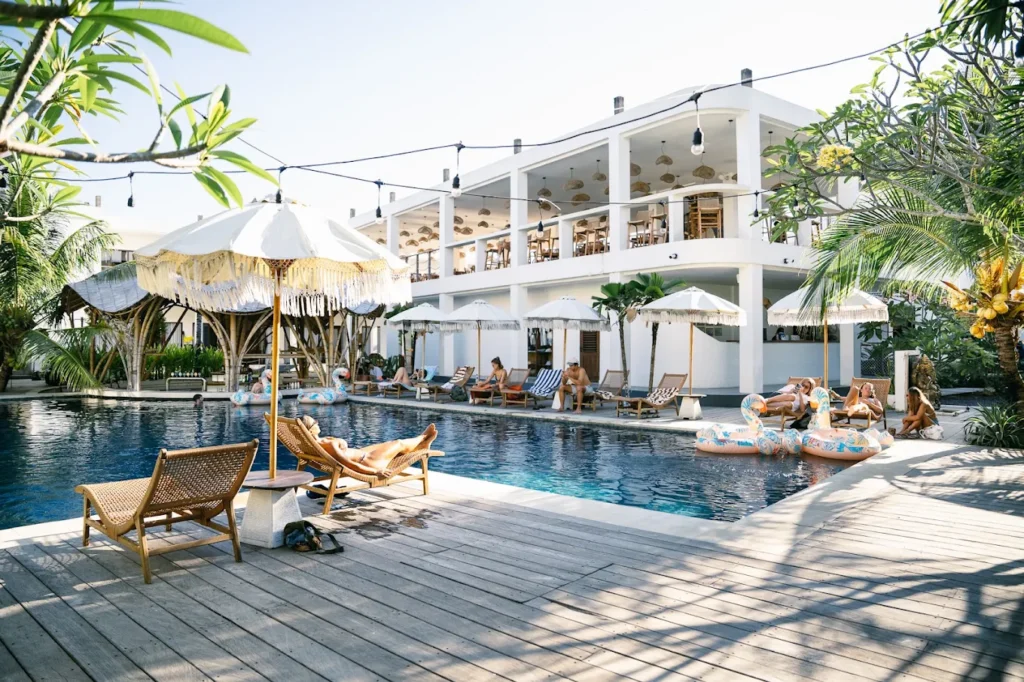
Kala combines accommodation with daily coaching, with groups divided according to ability rather than putting everyone through the same programme. Video analysis, equipment and access to the facilities are included in its packages, and coaches choose where to go according to your level and the conditions that day.
Back at Kala, there’s a swimming pool, restaurant and skate ramp, so there’s plenty of space to hang out with other guests when you’re not in the water.
Kala’s location on Jalan Labuansait also puts you close to plenty of bars and restaurants, making it a good base for checking out Uluwatu’s nightlife after a day in the water. There’s plenty going on nearby, so you don’t have to travel far if you want to head out for drinks or dinner in the evening.
Where To Find It: Jl. Labuansait, Pecatu, Uluwatu, Kabupaten Badung, Bali 80361, Indonesia
Online: Kala Surf
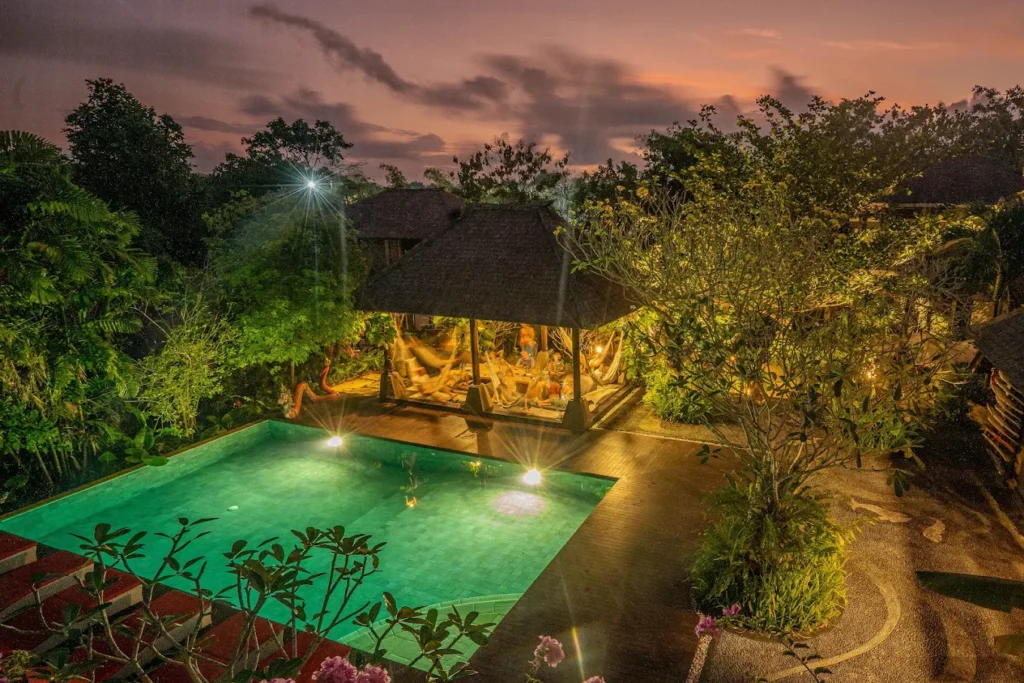
Padang Camp has been operating in Uluwatu since 2005 and puts a strong emphasis on actually improving your surfing rather than simply taking guests out twice a day. Groups are organised by ability, with coaching between sessions that can include video analysis, land training, pool drills or time on the surf skate.
All the accommodation is in private rooms, while the property also has a swimming pool, sauna, ice bath and other recovery facilities. There’s a dedicated social coordinator too, with group meals, sunset drinks, live music and other activities organised in the evenings.


Solo travellers make up much of the clientele, so you shouldn’t have much trouble finding someone to share stories from the day’s sessions with.
Where To Find It: Jl. Labuan Sait, Pecatu, Kec. Kuta Sel., Kabupaten Badung, Bali 80361, Indonesia
Online: Padang Padang Surf Camp
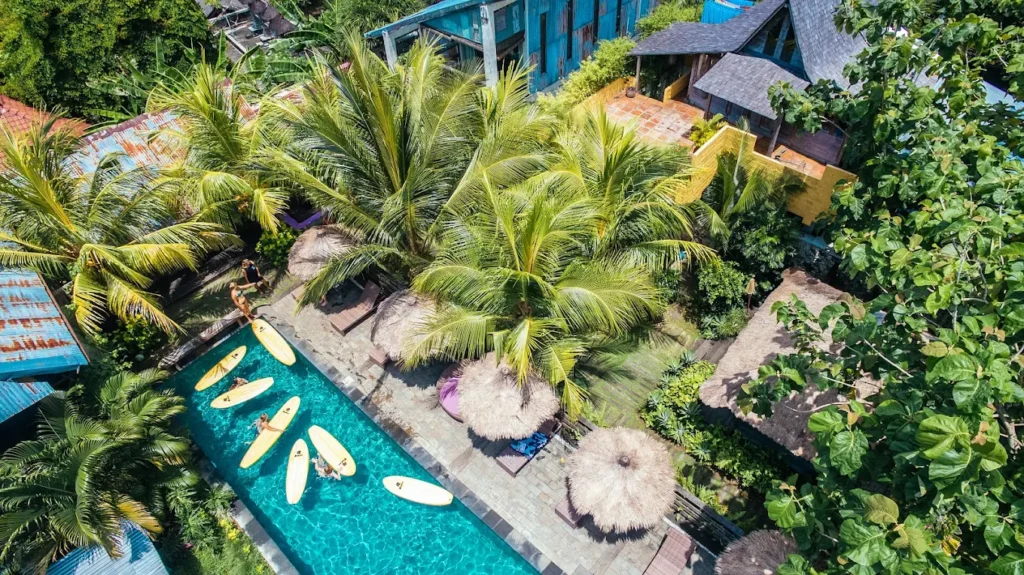
Rapture’s Uluwatu location offers a combination of accommodation, coaching and guided sessions, with programmes aimed at different ability levels. Beginners can learn the fundamentals with an instructor, while more confident surfers can get local guidance on where to head according to the day’s conditions.
The experience isn’t limited to time in the water. Staying here also gives you a base for meeting other travellers, eating together and spending time around the property between sessions.
That makes Rapture worth considering if you’re travelling alone and want the social atmosphere of a shared surfing holiday rather than simply booking individual lessons and heading back to your hotel afterwards.
Where To Find It: Jl. Labuansait Jl. Buana Sari, Pecatu, Kec. Kuta Sel., Kabupaten Badung, Bali 80361, Indonesia
Online: Rapture Camps
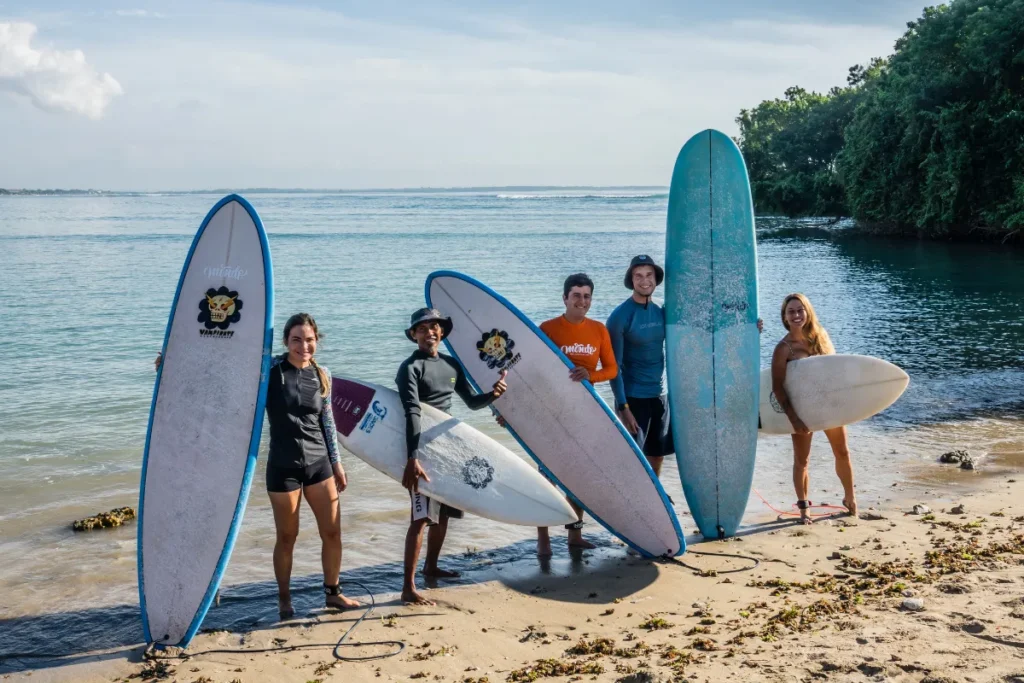
A little preparation goes a long way here, especially if it’s your first time in the area.
Yes, but the main area isn’t recommended for beginners. The powerful waves, shallow reef, strong currents and crowded line-up require experience, even when the waves are relatively small. Beginners are better off taking lessons at more forgiving spots such as Padang Right or Dreamland.
For experienced surfers, the main reef below Suluban is hard to beat, with different sections working according to the swell and tide. Padang and Bingin are also excellent choices, while the best spot on any particular day will depend on the conditions and your ability.
Uluwatu is best known for powerful left-hand reef waves, with everything from fast, hollow barrels to huge open faces when a big swell arrives. Conditions vary considerably between spots, and there are also gentler waves suitable for less experienced surfers around the peninsula.
The main reef is accessed through the cave at Suluban. From the car park, walk down the stairs from the cliff, where access to the cave leads you through to the water and the paddle out.
Getting back into the cave can be difficult when the current is strong, or the tide is high, so check the conditions and make sure you know the alternative exit points before paddling out.


Surfline provides forecasts for Uluwatu and many other surf locations around the Bukit, including information on wave height, direction, wind and tides. Local surf schools and surf shops can also be useful sources of advice if you’re unsure which spot will work best that day.
Uluwatu has been one of the top Bali surf areas for decades, and it’s easy to see why.
From the legendary Uluwatu reef to Padang, Bingin and the many other spots nearby, there’s an incredible amount of world-class surf packed into this corner of the Bukit Peninsula.
Respect the reef, the conditions and the local surfers; know your limits, and enjoy some of the best surfing in Bali.
FINNS Holidays is all about holidays in Bali, and tens of thousands of people visit Bali every year without a single issue. In fact, many

Planning a short Bali itinerary? 5 days may not seem like a lot, but there’s plenty of time to enjoy the beaches of Canggu, temples of Ubud and more.

Looking for the best breakfast Bali has to offer? Discover 24 top cafes for everything from smoothie bowls and coffee to big breakfasts and brunch.

Worried about tomcats? Bali has them, but our guide to understanding these rove beetles covers their toxin, burns, treatment and how to avoid them.
Pay Safely With Us