

Let’s Talk Travel Insurance For Bali: Everything You Need To Know
FINNS Holidays is all about holidays in Bali, and tens of thousands of people visit Bali every year without a single issue. In fact, many
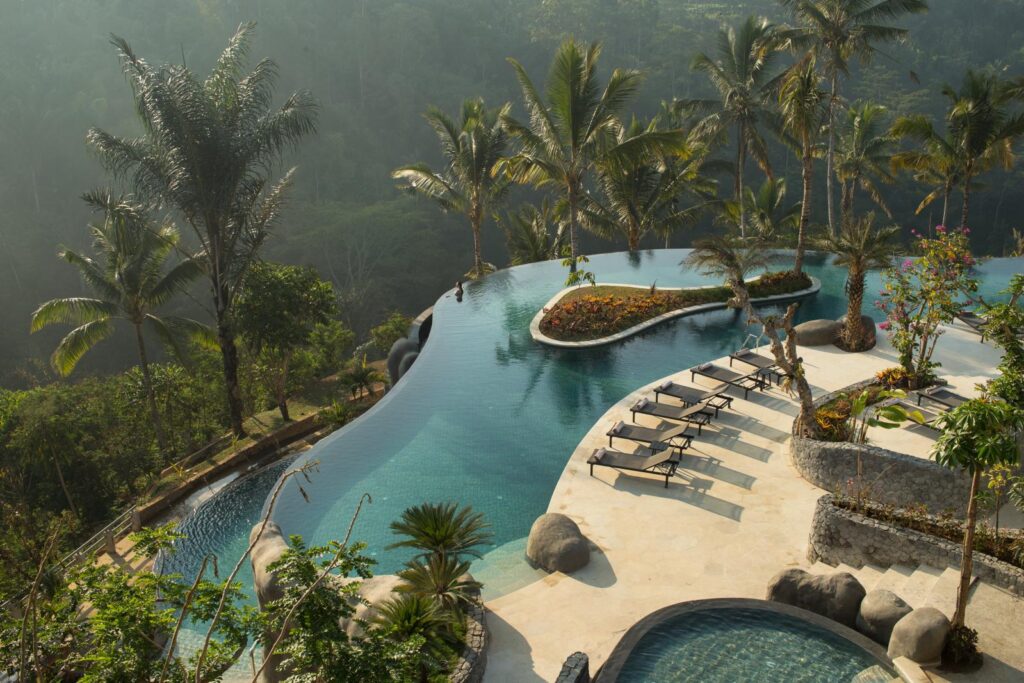
Bali might be a relatively small island, but the weather can feel surprisingly different depending on where you are. A beach day in the south can be hot and dry, while the hills inland sit under clouds or light rain at the same time.
These differences aren’t random. Bali’s landscapes, from coastlines to mountains, create distinct microclimates that affect everything from temperatures to rainfall. Understanding how they work can make a big difference when choosing where to stay, what to pack, and when to plan certain activities.
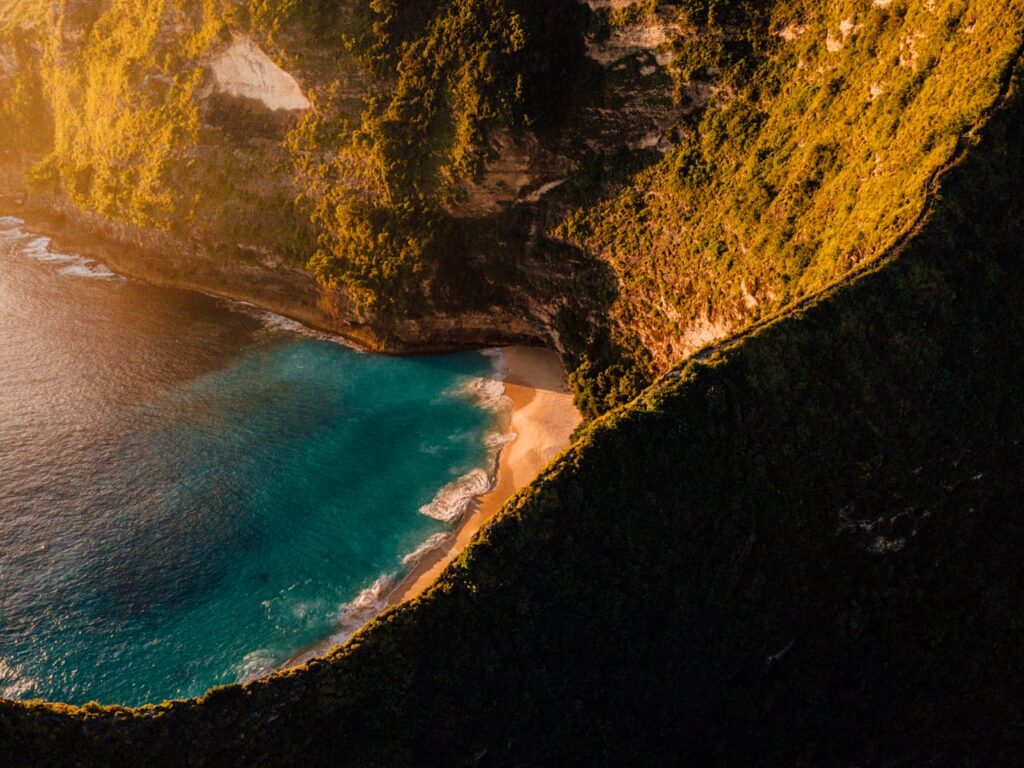
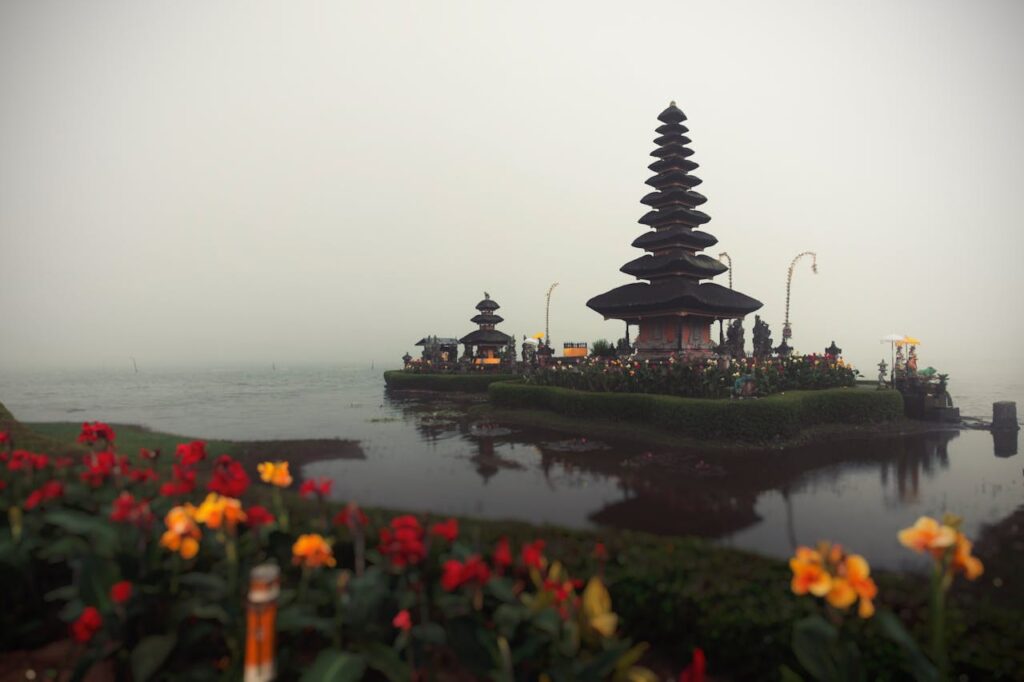
Microclimates are small areas where the weather differs from the surrounding region. They’re created by a combination of factors such as elevation, terrain, proximity to water, vegetation, and prevailing wind patterns.
These patterns sit within Bali’s broader two seasons, but local geography often matters more than the calendar.
Higher elevations tend to be cooler and wetter, as rising air cools and releases moisture. Low-lying areas, especially near the coast, are usually warmer and more humid, with more consistent temperatures throughout the year. Large bodies of water can also moderate temperatures, while inland areas heat up and cool down more quickly.
Mountains play a major role by forcing moist air upwards, which increases rainfall on one side and creates drier conditions on the other. Seasonal wind patterns further influence how much moisture or dry air is carried into an area at different times of year.
When these factors combine, even a relatively small area can experience noticeably different weather conditions from place to place, which is what creates distinct microclimates.
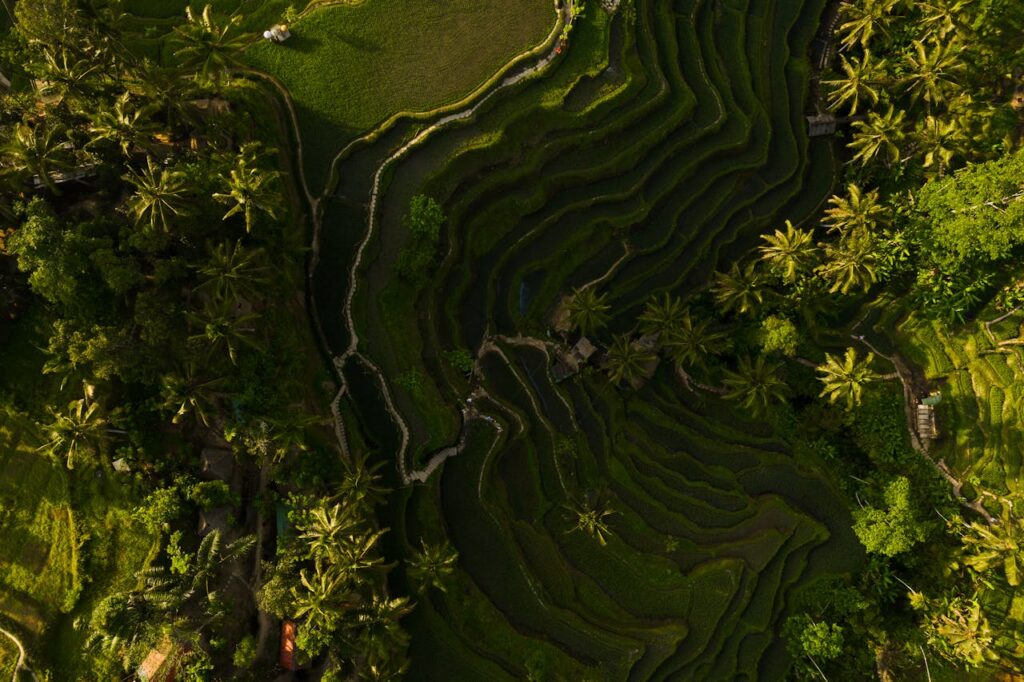
Rather than one single climate, Bali is made up of several distinct regions, each with its own weather patterns. Understanding how these areas differ can help explain why conditions vary so much across the island.
Bali’s north coast feels noticeably different from the south, both in atmosphere and weather. Areas like Lovina, Pemuteran, and around Singaraja tend to be warmer and drier, with calmer seas and a slower pace overall.
The mountains running through the centre of the island act as a natural barrier, meaning the north coast often misses some of the heavier rain that falls further inland. Even during the wet season, rainfall here is usually lighter and more spread out, rather than intense afternoon downpours.


Humidity is still present, but the overall feel is less sticky than the south during peak dry season months. Sea conditions are generally calmer too, which is why the north coast is popular for snorkelling, diving, and spotting marine life.
This part of Bali suits travellers who prefer fewer crowds, relaxed beach towns, and warm, settled weather without the buzz and traffic of the south. It’s especially appealing outside of peak season, when much of the island feels busy, but the north stays quietly consistent.
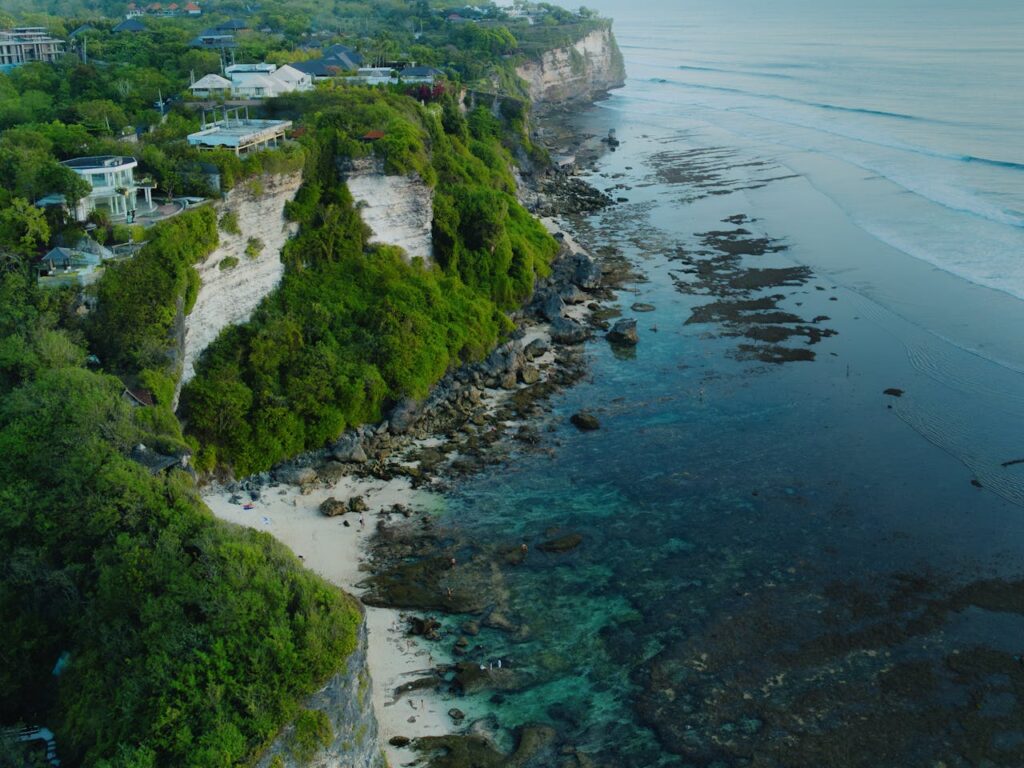
The Bukit Peninsula, covering areas like Uluwatu, Pecatu, Ungasan, and Nusa Dua, has one of the driest and sunniest microclimates in Bali. Sitting on limestone cliffs rather than lush volcanic soil, this part of the island tends to receive less rainfall than most other regions, especially during the wet season.
Temperatures here are typically warm year-round, with plenty of sunny days and lower humidity compared to inland areas. Even when the rainy season is in full swing elsewhere, rain in the Bukit often comes as brief showers rather than long downpours, and many days still feel bright and dry.
Because of its exposure to the open ocean, the Bukit can also be windier than other parts of Bali. This helps keep things feeling fresher in the heat, but it can bring rougher seas at certain times of year, particularly on the west-facing beaches, which are famous for surfing.
The Bukit Peninsula is ideal for travellers chasing reliable sunshine, cliffside views, and beach-focused stays. It’s especially popular with surfers thanks to its world-class breaks, but it also suits couples and anyone who prefers a drier, more laid-back environment, particularly during the wet season.
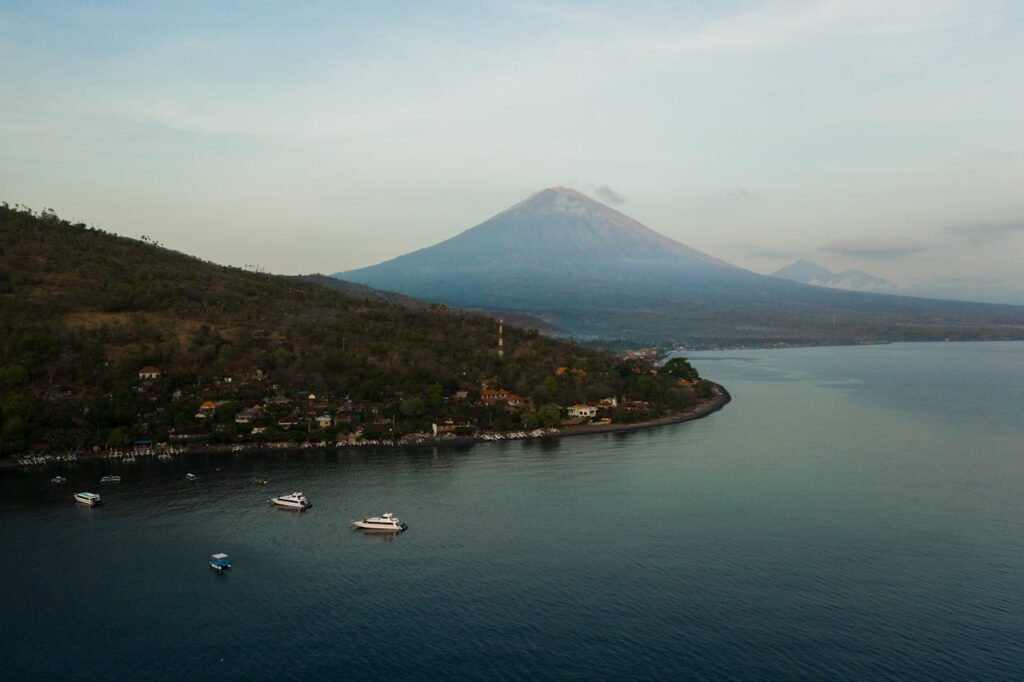
Bali’s east coast generally sits in the rain shadow of the island’s mountains, which means it often receives less rainfall than central and western areas. Places like Sanur, Amed, and Candidasa tend to feel drier and more stable, especially during the dry season months, with plenty of sunny days and calmer conditions.
Temperatures remain warm year-round, but the east coast often feels slightly less humid than the South, particularly in the mornings and evenings. Sea conditions are usually calmer here too, making this side of the island well-suited to snorkelling, diving, and relaxed water sports rather than big surf.

During the rainy season, rain showers are typically shorter and less intense compared to inland regions. This makes the east a solid option if you’re visiting Bali from November to March, but still want decent weather conditions and outdoor activities.
This part of Bali suits travellers looking for a quieter pace, coastal scenery, and easy access to marine life, without the crowds and intensity of the south.

The west coast of Bali is one of the most popular parts of the island, and for good reason. This stretch includes well-known areas like Canggu, Seminyak, and Legian, along with Kuta further south, and it tends to offer some of the most consistent and predictable weather conditions year-round.
Sitting right on the coast and at sea level, the west is generally hot, humid, and sunny, particularly during Bali’s dry season. Rain showers tend to pass through quickly, and the area usually dries out faster than inland regions. Even during the wet season, it’s common to have bright mornings and long stretches of sunny weather before any afternoon rain rolls in.
Sea breezes help take the edge off the heat, especially later in the day, which makes beach time, sunset walks, and outdoor dining more comfortable. This also makes it a great choice for surfing, with consistent waves and conditions that work across much of the year.
Because of its weather reliability, easy access to beaches, nightlife, cafes, and accommodation options, this area stays busy compared to many other parts of Bali. Canggu in particular remains lively almost year-round, while Seminyak and Legian offer a slightly more polished, resort-style feel.
Who it suits: travellers chasing reliable sunny days, beach life, surfing, and a social atmosphere. It’s a great option if you want easy access to restaurants, beach clubs, and nightlife, and don’t mind higher tourist numbers compared to quieter parts of the island.
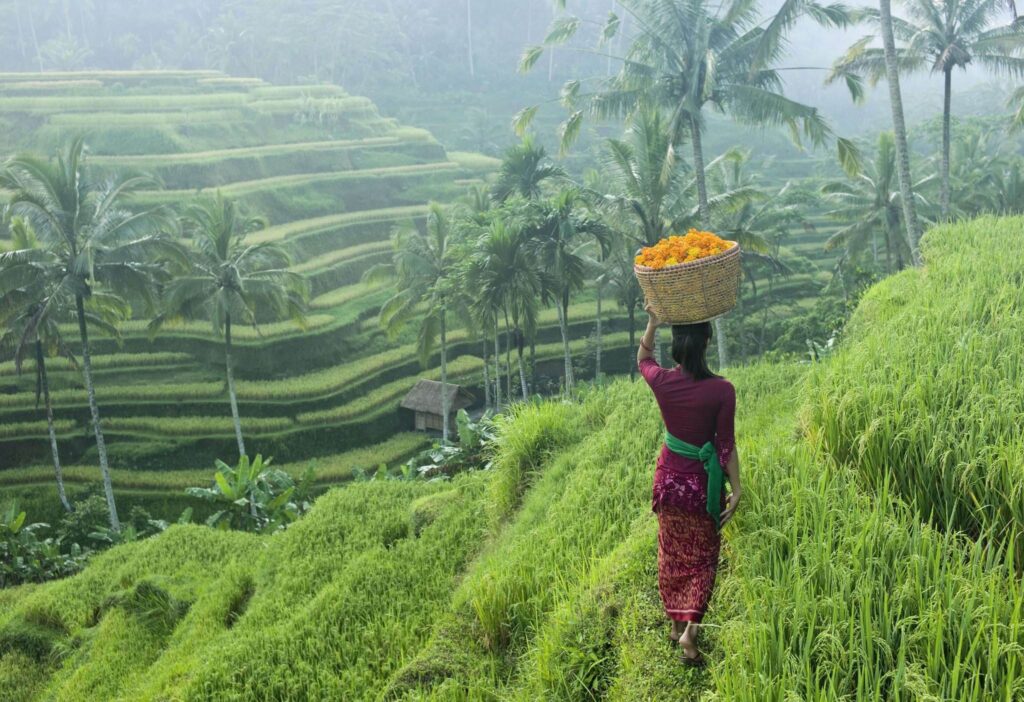
Central Bali and the mountainous regions sit at higher elevations, which gives them a noticeably cooler and wetter climate compared to the coast. However, even within this part of the island, conditions can vary quite a bit depending on how high you go.
Places like Ubud and Sidemen, while inland, sit at lower elevations than the true mountain areas. They tend to be warm during the day but cooler than the beach towns, with higher humidity and more frequent rain, especially in the afternoons. Mornings here are often pleasant, with cloud cover building later in the day.
As you move higher into areas like Munduk, Bedugul, and the slopes around Mount Batur and Mount Agung, temperatures drop further. These regions are cooler year-round, with more mist, fog, and regular rainfall. Early mornings can feel almost cold by Bali standards, and evenings often call for a light jacket.
Because of the elevation, these areas stay lush even during the dry season, with rice terraces, forests, and mountain scenery at their most dramatic. They’re also better suited to hiking, mountain climbing, waterfall visits, and slower, nature-focused travel rather than beach time.
This part of Bali suits travellers who enjoy cooler air, green landscapes, and a quieter pace, or anyone wanting a complete contrast to the hot, busy coastal areas.

The Nusa Islands (Nusa Lembongan, Nusa Ceningan, and Nusa Penida) sit just off Bali’s southeast coast and have a slightly different climate from the mainland. They’re generally drier, sunnier, and more exposed, with less tree cover and fewer natural barriers to wind and weather.
During the dry season, the islands are hot, breezy, and bright, with plenty of clear, blue skies. This makes them ideal for coastal walks, snorkelling, diving, and exploring the cliffs and viewpoints, though the sun can feel more intense than on mainland Bali.
In the rainy season, conditions can change quickly. While rainfall isn’t always heavier than in South Bali, rough seas can make boat crossings uncomfortable or occasionally cancelled. During the height of the rainy season, the islands can feel quite isolated, with fewer visitors, reduced ferry schedules, and some businesses temporarily closing.
Humidity is usually lower than in inland Bali, but the lack of shelter means storms can feel more dramatic when they roll through. On the flip side, when the weather clears, the islands often enjoy long stretches of sunshine even in the low season.
The Nusa Islands suit travellers who are flexible with plans, comfortable with fewer amenities in the rainy season, and keen on rugged scenery, marine life, and a quieter, more stripped-back island experience.
Some of Bali’s clearest microclimate differences show up in its protected and natural regions. These areas are less affected by development and tend to follow more consistent weather patterns, often sitting at the drier end of the island’s climate spectrum, especially in the northwest.
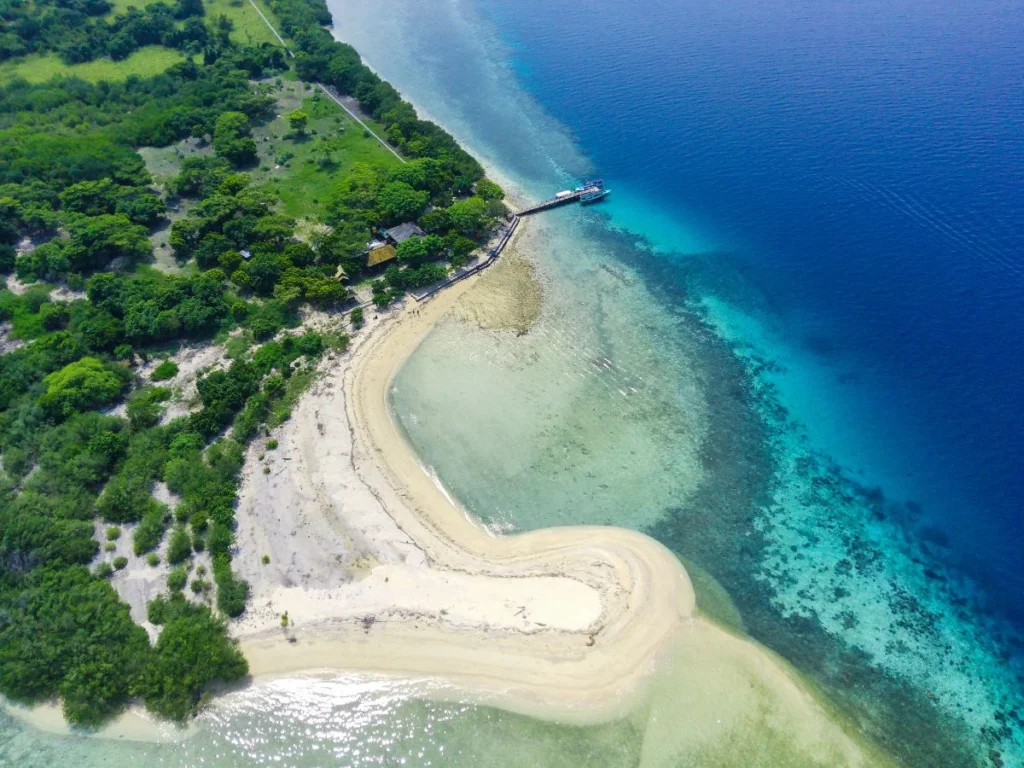
West Bali National Park covers a large stretch of Bali’s northwest corner and has one of the island’s driest climates. Sheltered by mountain ranges to the south and east, this region receives significantly less rainfall than central and southern Bali throughout the year.
Temperatures remain warm, but humidity is generally lower, and even during the rainy season, rain here is lighter and less frequent. While other parts of Bali may be dealing with heavy afternoon showers, West Bali often enjoys clearer skies and longer stretches of sunny weather.
This consistent climate is one reason the area feels so different from the rest of the island, particularly during the wet season months.
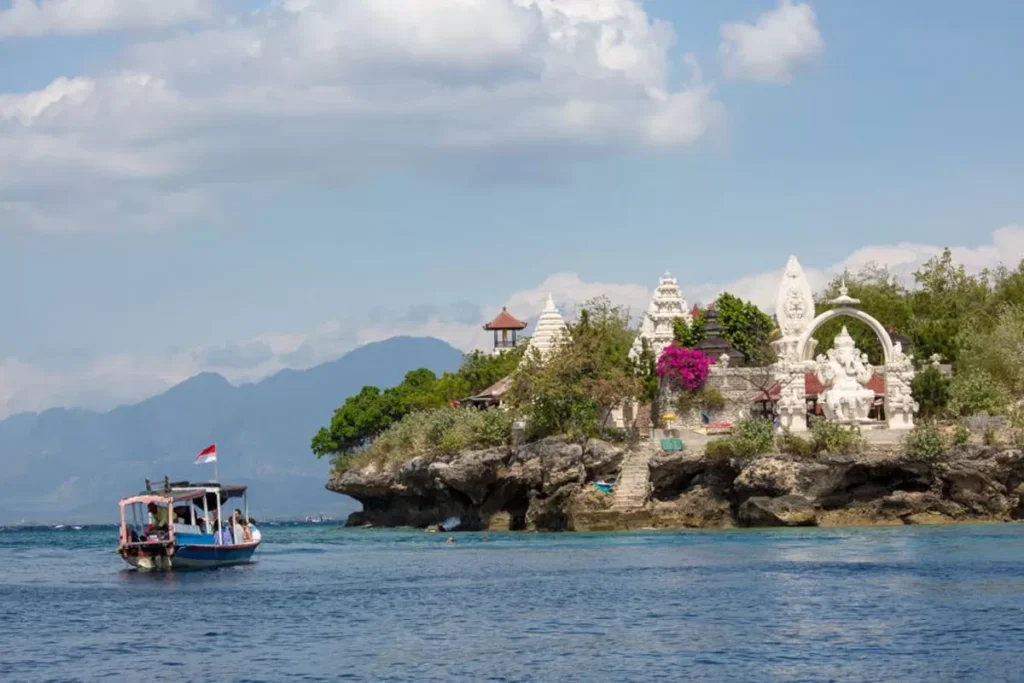
Menjangan Island sits just off the coast of West Bali National Park and shares the same dry, sun-heavy climate. Rainfall here is low year-round, making it one of the most reliable places in Bali for good weather, even during the rainy season.
With little cloud cover and minimal humidity compared to inland areas, hot days tend to feel dry rather than sticky. Sea conditions are often calmer than on the south coast, which helps maintain excellent underwater visibility for snorkelling and diving.
Fun fact: Menjangan means “deer” in Indonesian, and the island gets its name from the deer that live in West Bali National Park, which are often seen swimming across the channel to reach it.

Even within the same region and season, Bali’s weather can feel very different depending on a few key factors. Urban density, altitude, proximity to the ocean, and seasonal wind patterns all play a role in shaping daily conditions.
One of the biggest differences you’ll notice in the Bali weather is between built-up urban zones and more rural or natural landscapes.
In busy beach towns and urban centres like Canggu, Seminyak, and Kuta, temperatures often feel noticeably hotter. Dense development, concrete surfaces, traffic, and tightly packed buildings trap heat, creating a mild “urban heat island” effect. Even when the air temperature is the same as nearby rural areas, it can feel warmer, stickier, and less breathable.
Move just a short distance inland into rural villages, rice paddies, and forested areas, and conditions often feel calmer and cooler. Open land, vegetation, flowing rivers, and shaded paths all help regulate heat and improve airflow. This is why places surrounded by rice terraces or jungle tend to feel more comfortable throughout the day, especially in the afternoon.
The difference becomes even more noticeable at night. Rural areas usually cool down faster after sunset, while the towns often stay warm well into the evening.
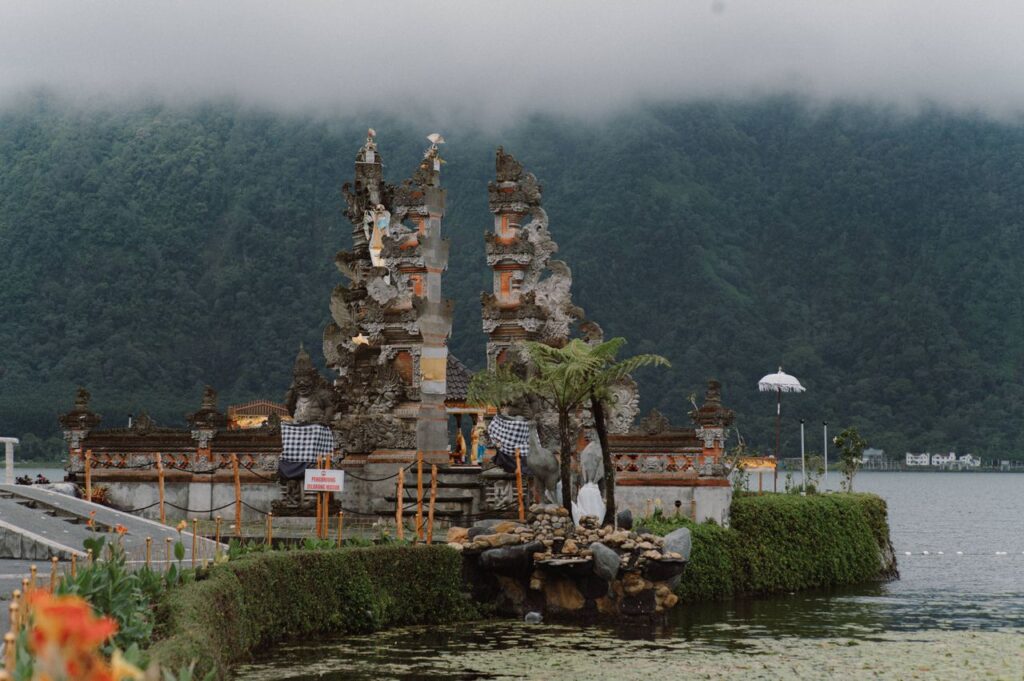
Bali’s wet and dry seasons don’t affect the whole island in the same way, which is where microclimates really come into play within Bali’s climate.
During the dry season, coastal areas and lower elevations usually see less rain, lower humidity, and more consistent sunny weather. In contrast, central and mountainous regions tend to stay cooler, with more cloud cover and occasional rain, even when the coast is enjoying clear days. It’s common for places like Ubud or Munduk to feel damp or misty while beach areas remain bright and dry.
When the wet season begins, rainfall increases across the island, but the impact varies by location. Inland and mountainous areas experience heavier and more frequent rain, while southern and eastern coastal regions often get shorter downpours that clear quickly. Even during the rainy season, some drier regions can still enjoy long stretches of sunshine between rain.
Rather than defining conditions outright, the two seasons influence Bali’s weather differently depending on elevation, terrain, and exposure to seasonal winds. This is why weather patterns can shift noticeably over short distances, with very different conditions occurring across the island on the same day.
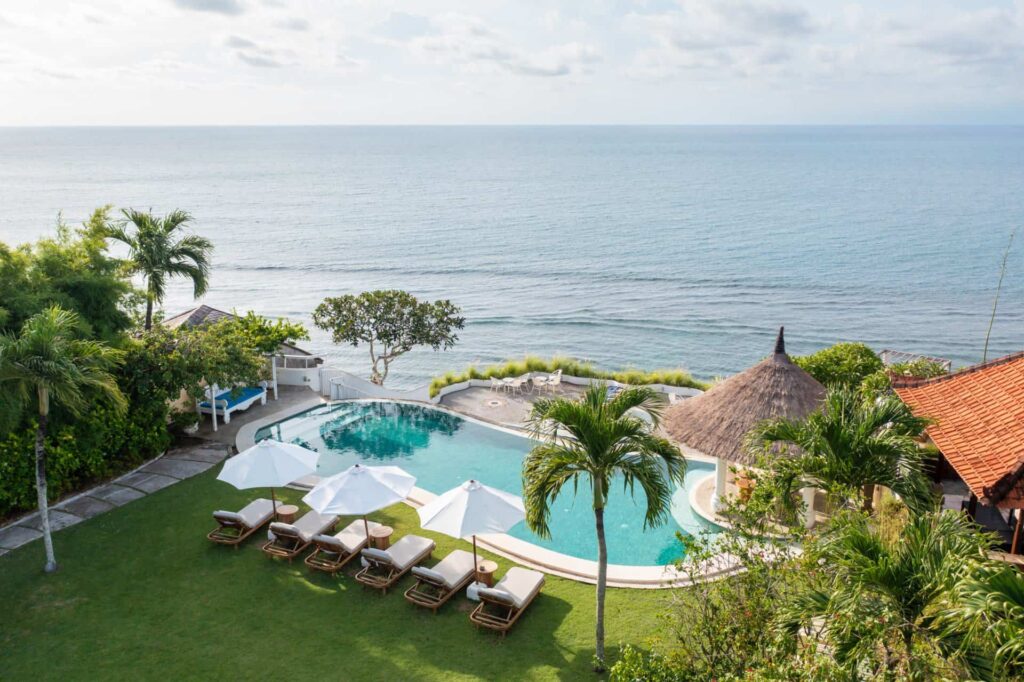
Bali has a tropical climate, with warm temperatures year-round and two main seasons: wet and dry. Humidity and rainfall vary by location, which is why different parts of the island can feel very different on the same day.
Ubud sits inland and at a higher elevation, closer to the central highlands. Moist air rises as it moves inland, cools, and drops rain, while coastal areas like Canggu tend to stay drier.
The south coast and Bukit Peninsula are generally the driest parts of Bali, especially during the dry season. Areas like Uluwatu often see more sunny days and less rainfall than inland regions.
Yes. Higher elevations in Bali have cooler temperatures than coastal areas. As you move into the hills and mountains, the average temperature drops, cloud cover increases, and rain becomes more common, especially around central Bali and volcanic regions like Mount Batur.
This is why inland areas often feel cooler and fresher than beach areas, even when they’re only a short drive apart.
The busiest time in Bali is during the dry season, particularly the sunniest months of July and August – high season – when peak travel overlaps with international and local school holidays. This is when tourist numbers are highest, and accommodation prices are at their most expensive.
There’s also a short period around Christmas and New Year that can be even busier for a couple of weeks, with demand spiking across popular areas.
Many travellers prefer the shoulder months, which sit either side of peak season and offer a balance of decent weather, fewer tourists, and slightly lower prices.
Bali’s weather systems are a big part of what makes the island so varied. From hot, dry coastlines to cool, misty highlands, understanding these differences helps you choose the right area for your plans, whether that’s beach time, nature, or cooler air in the hills.
Expect typically great weather in all parts of Bali, year-round. Wherever you choose for your Bali trip, you’re in for an unforgettable experience.
FINNS Holidays is all about holidays in Bali, and tens of thousands of people visit Bali every year without a single issue. In fact, many

Planning a short Bali itinerary? 5 days may not seem like a lot, but there’s plenty of time to enjoy the beaches of Canggu, temples of Ubud and more.

Looking for the best breakfast Bali has to offer? Discover 24 top cafes for everything from smoothie bowls and coffee to big breakfasts and brunch.

Worried about tomcats? Bali has them, but our guide to understanding these rove beetles covers their toxin, burns, treatment and how to avoid them.
Pay Safely With Us