

Let’s Talk Travel Insurance For Bali: Everything You Need To Know
FINNS Holidays is all about holidays in Bali, and tens of thousands of people visit Bali every year without a single issue. In fact, many

February in Bali coincides with the tropical rainy season, characterized by warm temperatures and high humidity. While heavy showers occur frequently, they are typically brief, leaving mornings clear for exploration. This rainfall results in a lush, green landscape throughout the island’s coastal and inland regions.
As a low-season month, February offers a relaxed atmosphere with fewer crowds and increased accommodation availability. Travelers benefit from a slower pace and competitive pricing. Despite the weather, daily life continues as usual, with coastal areas providing various indoor dining and wellness options for visitors.
February in Bali is a month that is often overlooked. It’s warm, lush, wet, and noticeably slower than the peak holiday period, with the island settling into a more relaxed rhythm after the rush of late December and January.
While February falls within the rainy season, daily life continues much the same. Beaches are still active, cafes stay busy, and there’s a calm, unhurried feel across much of the island. For travellers who value space, flexibility, and a softer pace, February can be an easy and enjoyable time to be in Bali.
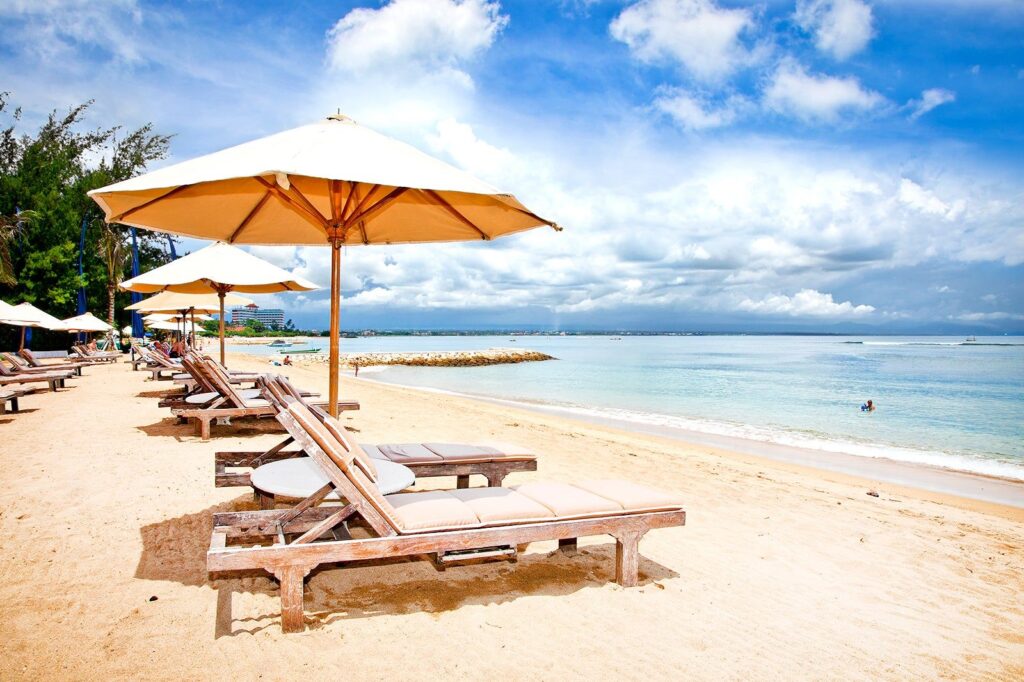
February in Bali is warm, humid, and fully tropical. Daytime temperatures usually sit between 26°C and 31°C, with warm days that feel consistent rather than extreme. Nights stay mild, generally around 24–26°C, so there’s very little cooling off after sunset.
Rain is common in February, with average monthly rainfall of roughly 230–280 mm, but it rarely rains all day. Most rain falls as short, heavy showers, often in the afternoon or early evening. Mornings are frequently dry and bright, with sunshine and calm conditions before clouds begin to build later in the day.


Humidity levels are high, typically around 80–85%, which can make the heat feel stronger, especially in coastal and built-up areas. After rain showers, the air often feels cooler and fresher, and the island’s landscapes look noticeably greener. The most humid month is usually March, and that’s just around the corner.
Overall, February weather in Bali is a mixed but manageable pattern of warm temperatures, sunny periods, and passing rain showers. It’s a month where flexibility helps, but there are still plenty of dry, comfortable windows for being outdoors between bursts of rain.


Rain is a defining feature of February in Bali, but it’s often the humidity that stands out more than the rain itself. Heavy showers are common, arriving suddenly and falling hard, yet they don’t usually last all day. Instead of constant drizzle, it tends to come in short, intense bursts, with dry spells in between.
The higher humidity can make warm days feel hotter, especially after rainfall, when the air feels thick and heavy. Downpours are more likely in the afternoon and evening, while mornings can still be fairly clear.
Rainfall varies across the whole island, with inland and central areas generally seeing more rain than coastal areas, and any flooding that does occur is usually localised and short-lived.

February is one of the quieter months in Bali, being well clear of the peak travel periods. Visitor numbers are noticeably lower than in the dry season and school holiday months, which means fewer crowds across much of the island.
Popular tourist areas are still active, but they feel more relaxed, with less congestion on the roads and more availability at hotels, restaurants, and attractions.
Beach areas tend to be calmer – even the most popular beaches like Kuta Beach, Seminyak and Canggu are noticeably quieter – and it’s easier to find space at well-known spots that can feel packed at other times of year.
While Bali never feels empty, February offers a slower pace overall, making it a good time for travellers who prefer a more laid-back experience without the buzz of peak season.

The rain doesn’t get in the way of much in February, but where you base yourself can make the month feel easier. Coastal areas tend to dry out faster after showers, while inland regions stay greener and more humid. Plans don’t need to change drastically, but some areas suit the season better than others.

Canggu works well in February because rain showers are often brief, and the flat coastal terrain drains quickly once they pass. When it does rain, there’s no shortage of cafes, gyms, shops, and indoor spaces to duck into without it feeling disruptive.
Roads here tend to recover faster after downpours than inland areas, and once the weather clears, beach walks, sunsets, and afternoons by the pool are still very much on the cards.
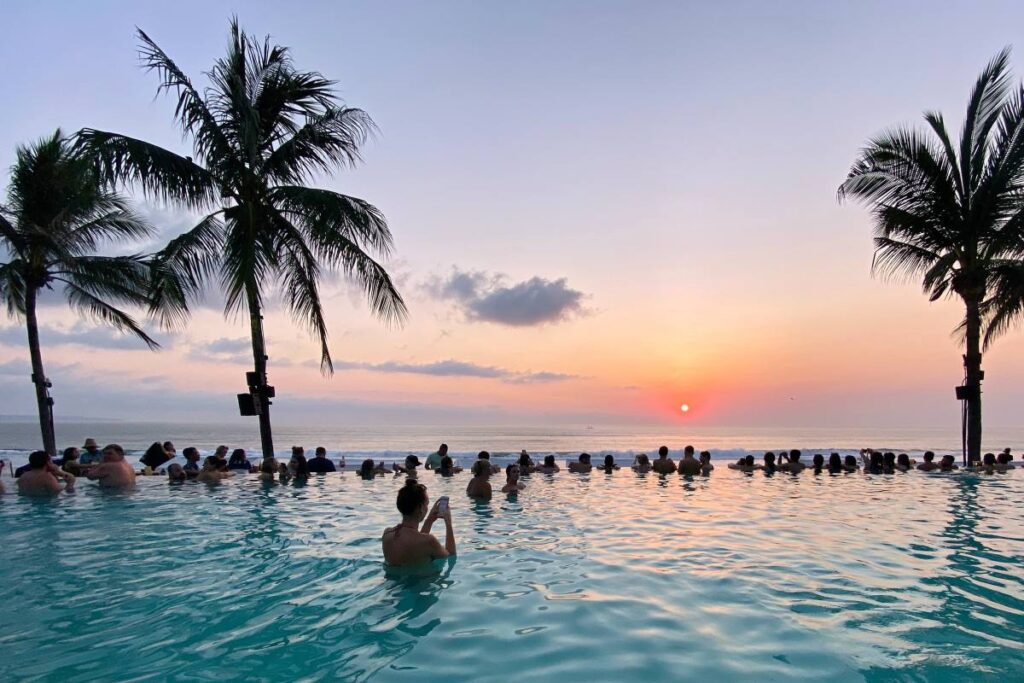
Seminyak’s compact layout makes it especially easy to manage in February. Short distances between hotels, restaurants, shops, and spas mean you’re rarely caught out by sudden rain, and sealed roads help reduce issues after big showers.
There’s a strong mix of indoor dining, shopping, and wellness options, so even wetter days feel productive rather than lost. It’s a practical base if you want convenience and comfort during the rainy season.

Ubud is much wetter in February than coastal areas, but it’s also at its most lush. Rice terraces, forests, and river valleys are full and green, with misty mornings and cooler air.
Rain can be heavier and longer-lasting here, so it suits slower travel, indoor activities, and scenic downtime rather than packed outdoor plans.
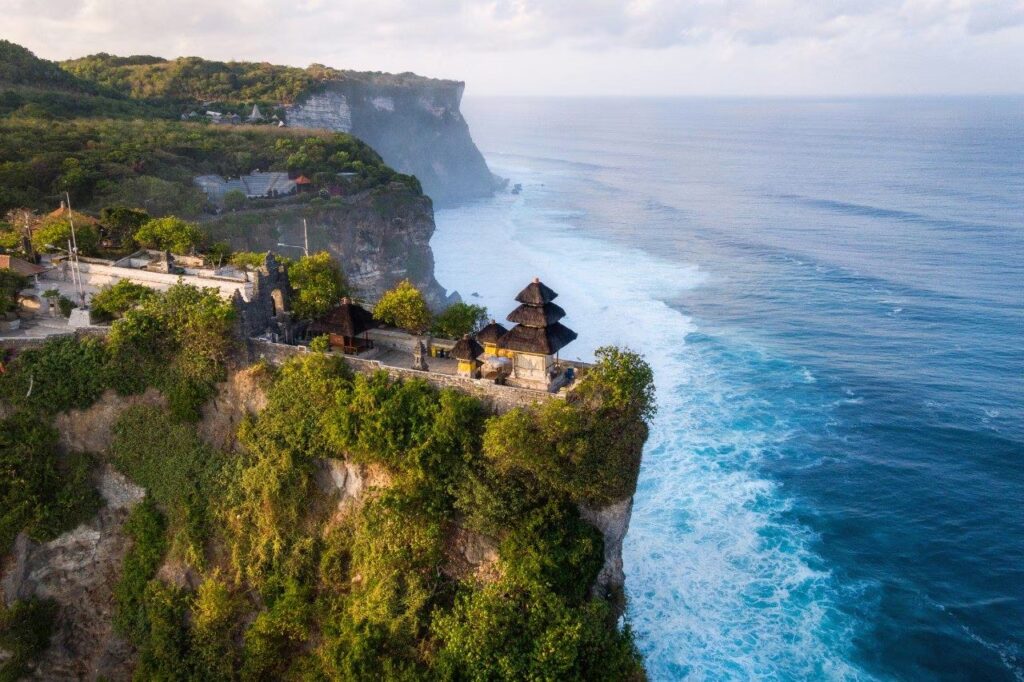
Often sees slightly less rainfall than central Bali, especially along the cliffs of the Bukit Peninsula. When the rain clears, conditions can be hot and sunny, making it a good base for beaches and surf breaks. Sea conditions can be mixed, but the open landscapes and coastal airflow help keep humidity more manageable.
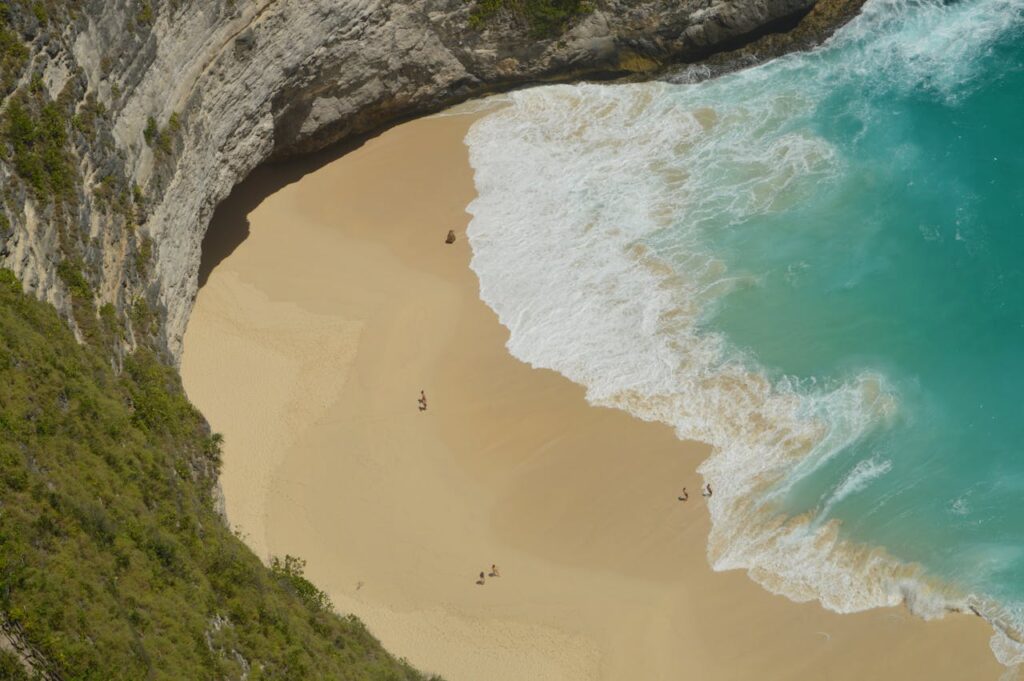
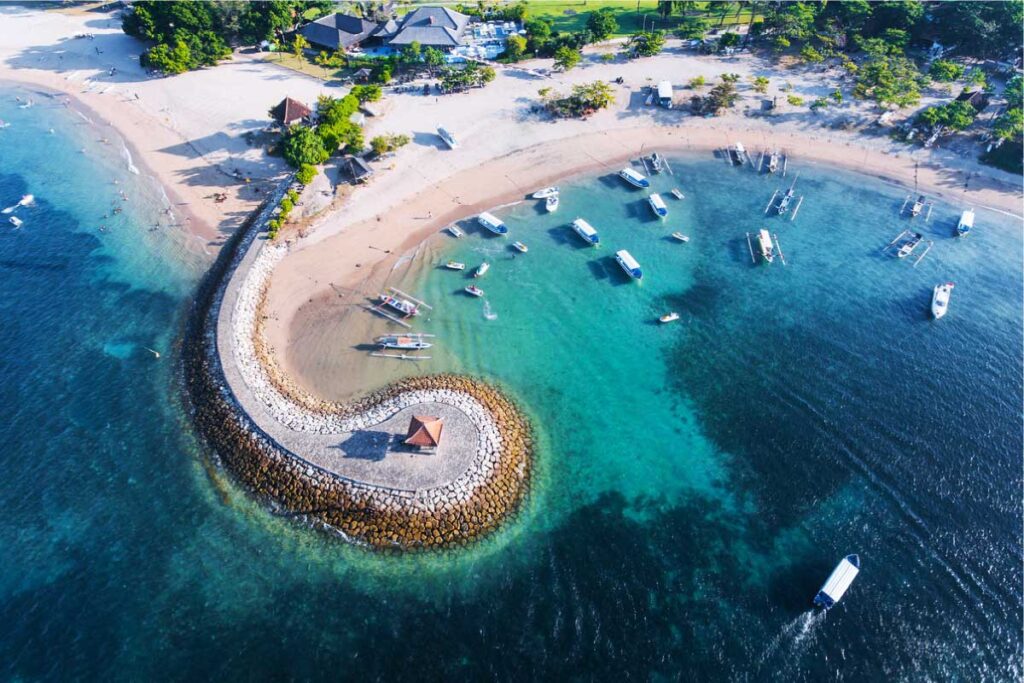
A reliable choice in February thanks to sheltered beaches and calmer sea conditions. The Bukit Peninsula’s East Coast resort town is great all year round. The area is well planned, with good drainage and easy access to accommodation, dining, and water sports.
It suits travellers who want low-effort time on the beach and minimal disruption during rainy spells.
February in Bali is a mixed bag weather-wise, but there’s still plenty to do between showers. The key is leaning into flexible plans that work whether the sun’s out or the clouds roll in.
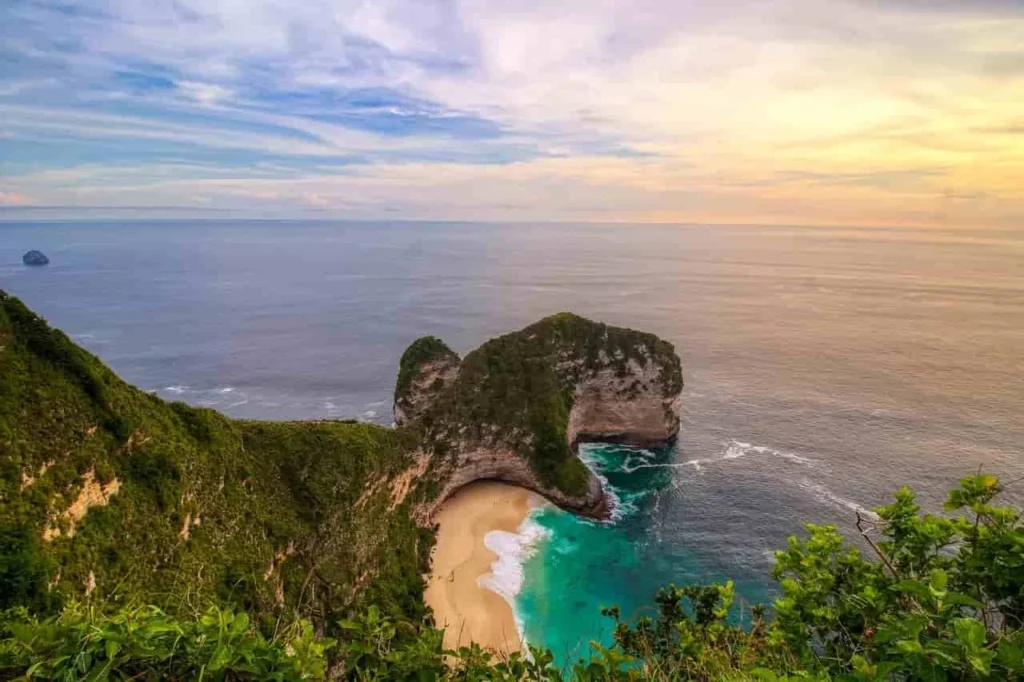
February doesn’t have as many fixed festivals as later in the year, but it still offers a few cultural moments that can add something extra to a visit, especially if you’re interested in local traditions rather than big tourist events.

February is hot and humid, so comfort matters more than style (most of the time). Lightweight clothing that dries quickly will make day-to-day travel much easier.

It’s low season, which comes with trade-offs. Fewer tourists and better value can outweigh the increased chance of rain if you plan with the season in mind.

Yes, February can be a good time to visit Bali, depending on what you’re looking for. It’s one of the quieter months, so you’ll find fewer crowds and often better value on accommodation and flights.
The weather is warm and tropical, but rain is more frequent, usually arriving in short showers rather than lasting all day. If you don’t mind some rain and higher humidity, February can be a relaxed and enjoyable time to be on the island.
The best months to visit Bali are generally during the dry season, from around May to September, when days are sunnier, and humidity is lower. These months are ideal for beach time, outdoor activities, and exploring the island.
The wetter months, particularly January and February, are often considered the least popular due to higher rainfall and humidity, but they still offer warm temperatures, lush scenery, and a quieter feel overall. It’s not “bad weather”; it can just be a bit disruptive at times, and for the most part, you can still enjoy sunny days on the sand.

January is typically Bali’s wettest month, followed closely by February. During this time, rainfall is heavier and more frequent, although it usually falls in short bursts rather than constant rain.
These months also come with higher humidity, which many visitors notice more than the rain itself.
Yes. February is in Bali’s low season, with fewer tourists around and less competition for accommodation, restaurants, and activities.
It’s noticeably quieter than the dry season, making it easier to move around and plan things last minute.
Wet season and monsoon season are often used interchangeably in Bali, but there’s a slight difference.
The wet season refers to the broader period from roughly November to March, when humidity is higher, and rain is more frequent. The monsoon season describes the weather patterns driving that rain, including shifting winds and heavier downpours, which tend to peak around January and February.
In practice, for travellers, both terms usually mean the same thing: a warm tropical climate with short, heavy downpours rather than constant drizzle.
Bali in February isn’t about chasing perfect conditions or tightly packed itineraries. It’s about adjusting to the island’s natural pace, enjoying the days as they come, and letting plans shift when needed.
With fewer crowds, greener landscapes, and plenty of comfortable places to relax when the weather changes, February offers a different side of Bali that many travellers miss. If you’re happy to slow down and go with the flow, it can be a rewarding time to experience the island without the pressure of peak season.
FINNS Holidays is all about holidays in Bali, and tens of thousands of people visit Bali every year without a single issue. In fact, many

Planning a short Bali itinerary? 5 days may not seem like a lot, but there’s plenty of time to enjoy the beaches of Canggu, temples of Ubud and more.

Looking for the best breakfast Bali has to offer? Discover 24 top cafes for everything from smoothie bowls and coffee to big breakfasts and brunch.

Worried about tomcats? Bali has them, but our guide to understanding these rove beetles covers their toxin, burns, treatment and how to avoid them.
Pay Safely With Us